Tesla filed two new trademark applications within 37 seconds of each other on January 28, 2026, moments after Elon Musk used the terms on the company's Q4 2025 earnings call. This follows Tesla having issues securing the 'Cybercab' trademark due to its own tardiness again. The filings suggest that Tesla has learned its lesson from a previous trademark situation involving the 'Cybercab' name.
Tesla filed for two new trademarks, 'Cybercar' and 'Cybervehicle', in response to Musk's use of these terms on the earnings call. The company had previously struggled to secure the 'Cybercab' trademark due to its own delays in filing.
The implication is clear that Tesla's legal team was listening to the earnings call and quickly filed the trademarks before anyone else could. This appears to be a reactive approach rather than a proactive one, where the company decides on product names internally, files the trademarks, and then announces them publicly.
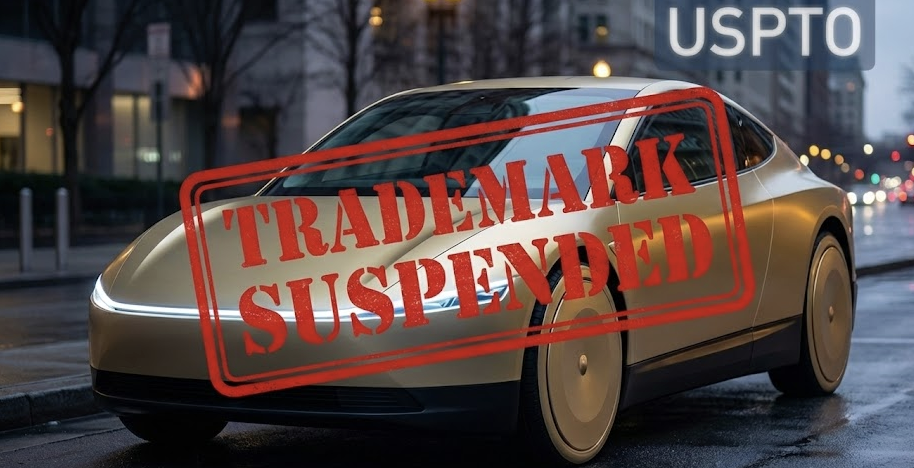
This approach has raised questions about Tesla's trademark strategy, with many wondering why the company didn't file these trademarks earlier or coordinate their product naming more effectively. The fact that Musk improvises and the rest of the team reacts to his statements is a concerning sign for the company's brand management.
The 'Cybercar' and 'Cybervehicle' trademarks may face similar challenges as the 'Cybercab' trademark, which was blocked by a seltzer company due to its generic nature. However, Tesla already has 'Cybertruck' registered, which could make these applications easier to process.
Tesla's new trademark strategy is a departure from the normal process used by other major automakers and tech companies. It highlights the need for coordination and planning in product naming and branding, especially for a company with Tesla's resources and influence.
The question now is whether 'Cybercar' and 'Cybervehicle' will face the same challenges as the 'Cybercab' trademark. Only time will tell if Tesla's new approach will pay off or lead to more headaches down the line.
Tesla's new trademark strategy raises concerns about the company's brand management and coordination. The fact that Musk improvises and the team reacts suggests a lack of planning and coordination, which could have negative consequences for the company's reputation and customer perception. However, it's also possible that Tesla has learned from its previous mistakes and is taking a more proactive approach to securing trademarks. Only time will tell if this new strategy will pay off or lead to more challenges.