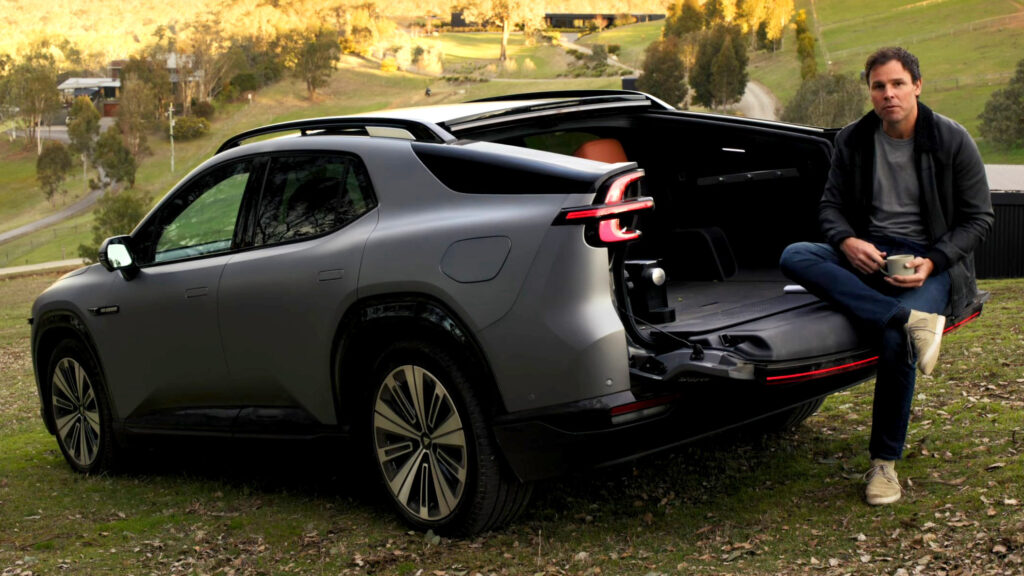



The automotive industry is undergoing a significant transformation, driven by the convergence of technology and human ingenuity. As manufacturers strive to innovate, the focus is not solely on the machines themselves but also on the people who design, engineer, and produce them. This shift emphasizes the importance of human creativity and problem-solving in the development of future automotive solutions.
One of the most compelling aspects of this transformation is the integration of advanced technologies such as artificial intelligence and machine learning. These technologies are enhancing the capabilities of vehicles, allowing for smarter, safer, and more efficient transportation options. However, the success of these innovations relies heavily on the expertise and vision of the people behind them, who are tasked with ensuring that technology serves the needs of consumers and society at large.
Moreover, the push towards sustainability is reshaping the industry's landscape, with a growing emphasis on electric vehicles and alternative fuel sources. This movement is not just about creating eco-friendly vehicles but also about rethinking the entire supply chain and production processes. Human insight is essential in navigating these complexities and developing solutions that balance environmental concerns with consumer demands.
Collaboration among various stakeholders is becoming increasingly important as the automotive industry evolves. Manufacturers, technology companies, and regulatory bodies must work together to create a cohesive framework that supports innovation while ensuring safety and compliance. The human element in these collaborations fosters creativity and drives the development of comprehensive solutions that address the multifaceted challenges facing the industry.
In addition to technological advancements, the automotive industry is also focusing on enhancing the customer experience. Understanding consumer preferences and behaviors is crucial for developing vehicles that meet the evolving needs of drivers. Human-centered design principles are being employed to create intuitive interfaces and features that enhance user satisfaction and engagement.
Furthermore, the rise of autonomous vehicles presents both opportunities and challenges for the industry. While automation has the potential to revolutionize transportation, it also raises important questions about safety, ethics, and job displacement. The industry's ability to address these concerns will depend on the insights and values of the people involved in the development and implementation of these technologies.
As the automotive landscape continues to shift, workforce development will be a key factor in ensuring that the industry can adapt to new challenges. Investing in education and training programs will empower the next generation of automotive professionals to thrive in a rapidly changing environment. This focus on human capital will be essential for fostering innovation and maintaining a competitive edge in the global market.
In conclusion, the future of the automotive industry is inextricably linked to the people who drive its progress. As technology continues to evolve, the human element will remain a critical factor in shaping the direction of automotive innovation. By prioritizing collaboration, sustainability, and customer experience, the industry can harness the full potential of its workforce to create a brighter, more sustainable future for transportation.
The automotive industry is increasingly recognizing the vital role of human insight in driving technological advancements. As companies pivot towards sustainable solutions, the human element will be crucial in shaping the future of mobility.