
New data from the National Highway Traffic Safety Administration reveals that Tesla's Robotaxi service in Austin, Texas, has experienced a higher crash rate than initially thought. Despite having a safety driver in the front passenger seat, the autonomous vehicles have been involved in nine crashes between July and November of last year, with an incident rate of roughly every 55,000 miles.
This is significantly higher than human drivers, who report one police-notified crash about every 500,000 miles. The lack of transparency from Tesla regarding these incidents has also raised concerns.
According to reports submitted to the NHTSA, some details are heavily redacted, leaving limited information available. Tesla's Robotaxi service has been slow to expand, with plans to enter seven new cities in the first half of 2026, but the service is still limited to just one city: Austin, Texas.
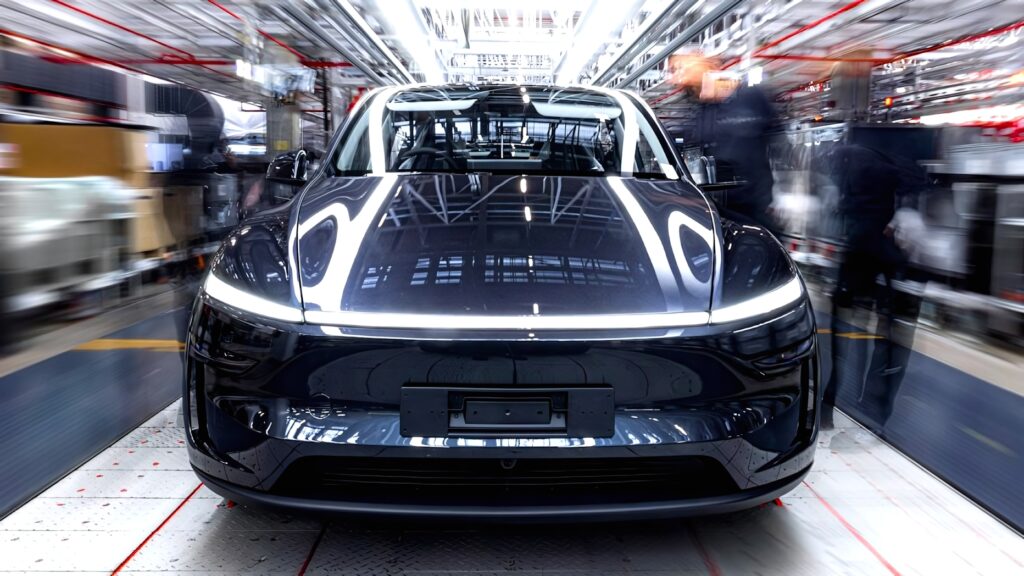
The company's safety metrics have also come under scrutiny, with estimates suggesting that humans are outperforming Tesla's current autonomous system by a significant margin. As the industry continues to evolve, it will be important for companies like Tesla to prioritize transparency and safety in their operations.
This data highlights the need for more stringent testing and evaluation of autonomous vehicles before they are released into public service. With a safety driver on board, one would expect a lower crash rate, but the reality is that even with human intervention, Tesla's Robotaxi vehicles are still experiencing accidents at a higher frequency than human drivers.