
The US Postal Service is seeking permission to impose a fuel surcharge on parcel products for the first time ever, citing soaring transportation costs due to the recent invasion of Iran by the United States and Israel. This 8% fee would be added to regular transportation charges, marking a significant shift in the agency's pricing strategy.
The quasi-private agency is proposing this change as part of its efforts to transition to a permanent mechanism for imposing surcharges on competitive products. This move aims to support its universal service obligation in a more financially sustainable way, following a $9 billion loss last fiscal year.
The 8% planned price change would affect base postage prices for Priority Mail Express, Priority Mail, USPS Ground Advantage, and Parcel Select. The price adjustment is scheduled to take effect on April 26 and remain in place through January 17, 2027, allowing the Postal Service to reassess its long-term approach.

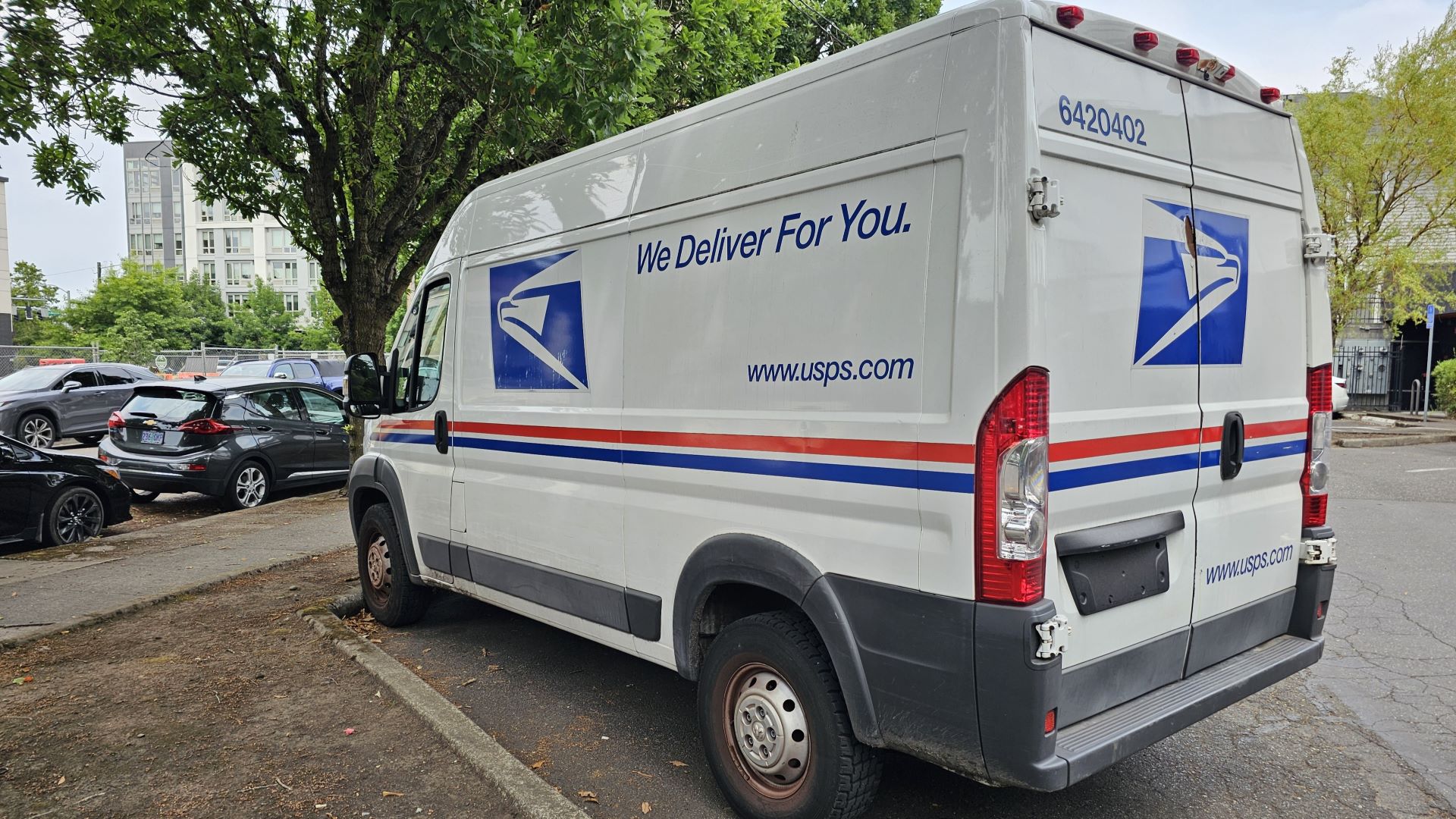
The rising cost of fuel has been a significant contributor to the Postal Service's losses, with gasoline prices increasing by nearly $1 per gallon in less than a month. The agency's delivery vans primarily run on gasoline, while diesel fuel is used for large trucks that transport mail and packages over long distances.
In contrast to private carriers like UPS and FedEx, which use standard fuel surcharge mechanisms tied to external fuel indexes, the Postal Service would be imposing its own fee. This approach allows the agency to maintain more control over its pricing strategy, but may also limit its ability to adapt quickly to changing market conditions.
The proposed 8% fuel surcharge is significantly lower than what private carriers charge for fuel alone, with UPS's current surcharge ranging from 21% to 34% of the base transportation rate. This could be seen as a strategic move by the Postal Service to maintain its competitive edge in the market.
The Postal Regulatory Commission will review the proposed price change before it takes effect, ensuring that the agency is acting within regulatory guidelines. The commission's approval would provide the necessary legitimacy for the Postal Service's pricing strategy.
This development highlights the challenges faced by the postal industry in recent years, with rising transportation costs and increasing competition from private carriers. As the market continues to evolve, it will be interesting to see how the Postal Service adapts its pricing strategy to remain competitive.
The impact of this fuel surcharge on consumers is likely to be minimal, as the price change would be added to regular transportation charges. However, the move could have broader implications for the postal industry's pricing structure and its ability to maintain universal service obligations.