
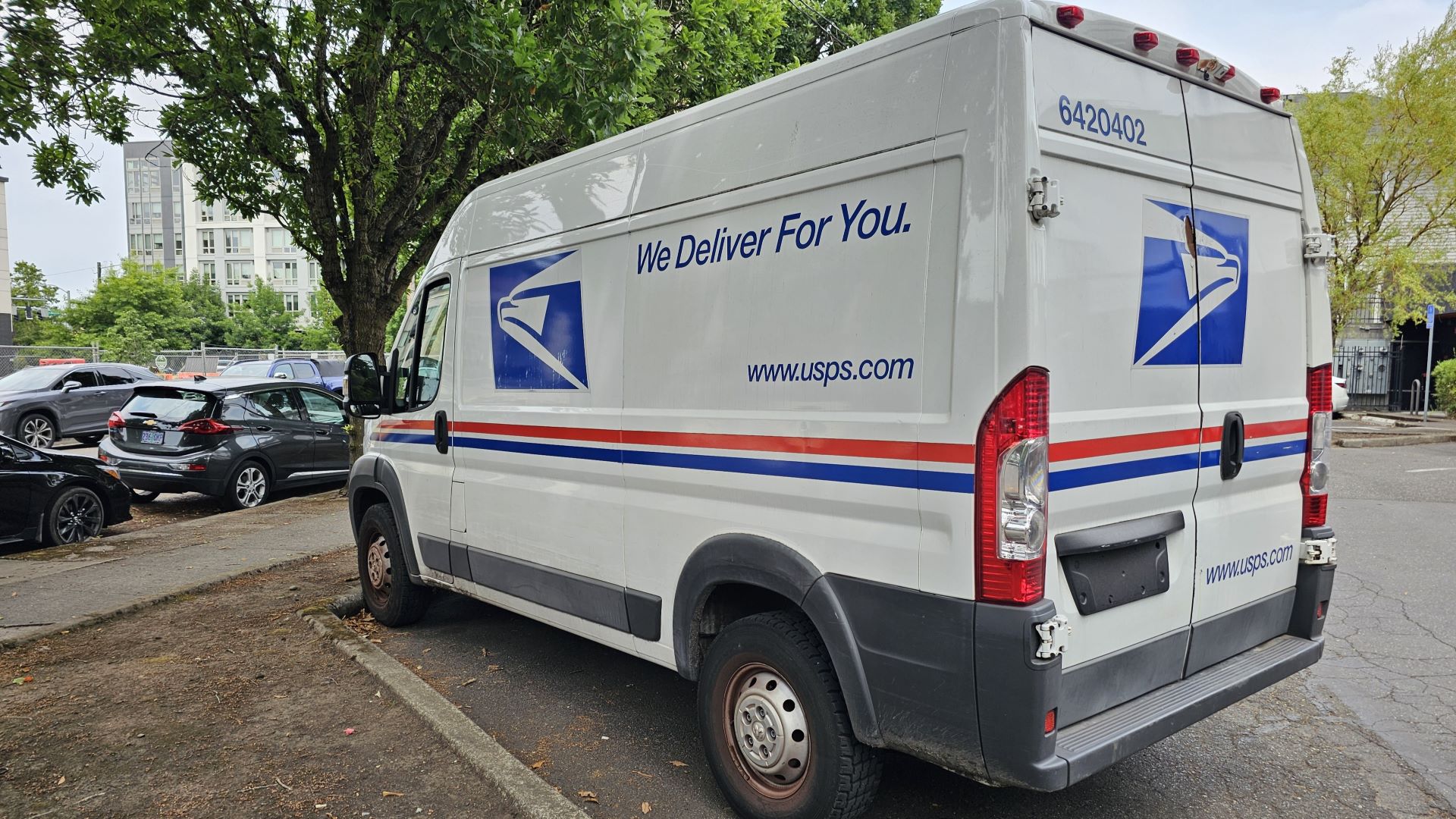

The Supreme Court has heard arguments on a crucial question: can a driver who delivers goods within a state be considered an interstate worker? The case of Angelo Brock vs. Flowers Foods has reached the nation's highest court, with the two sides presenting their cases to the nine justices. Brock, an independent contractor, was hired to deliver products in the Denver area without ever crossing a state boundary.
The specific interest between Brock and Flowers Foods revolves around the Federal Arbitration Act (FAA), which requires workers to resolve disputes through arbitration rather than litigation. However, Brock argues that the FAA does not apply to interstate workers, allowing them to pursue grievances in court instead of arbitration.
Brock's counsel, Traci Lovitt, presented a straightforward argument: since he didn't cross state lines during his activities, he is not an interstate worker and should be required to go through arbitration. The FAA, according to Flowers Foods, does not support this claim, as it only applies to workers at the end of an interstate supply chain.

Lovitt's opening remarks highlighted that Brock picks up goods from a warehouse in Colorado and delivers them to retail outlets within the state, with no cross-border transportation involved. She argued that Section 1 of the FAA opens the door to litigation rather than arbitration for interstate workers like Brock.
The Supreme Court has granted certiorari on this case, despite the lack of clear conflicts among circuit court decisions. This decision could have significant implications for workers in various industries, including transportation and logistics.
Flowers Foods' outside counsel presented a counterargument, emphasizing that Brock is not at the tail end of an interstate supply chain but rather starts a new intrastate supply chain when he unloads goods into his truck.
The court heard roughly 90 minutes of presentations from both parties, with theoretical situations discussed to illustrate the complexities of the issue. The arguments presented by Angelo Brock's counsel, Jennifer Bennett, highlighted the potential benefits of allowing interstate workers to pursue grievances in court.
The Supreme Court's decision on this matter will have far-reaching consequences for workers across the country. If the court rules in favor of Brock, it could pave the way for more workers to challenge arbitration agreements and seek compensation through litigation.
Ultimately, the outcome of this case will depend on the interpretation of the Federal Arbitration Act and its application to interstate workers. The Supreme Court's decision will have a significant impact on the lives of workers like Angelo Brock, who are struggling to navigate complex labor laws and regulations.
The Supreme Court's decision on this matter could have significant implications for workers in various industries, including transportation and logistics.