

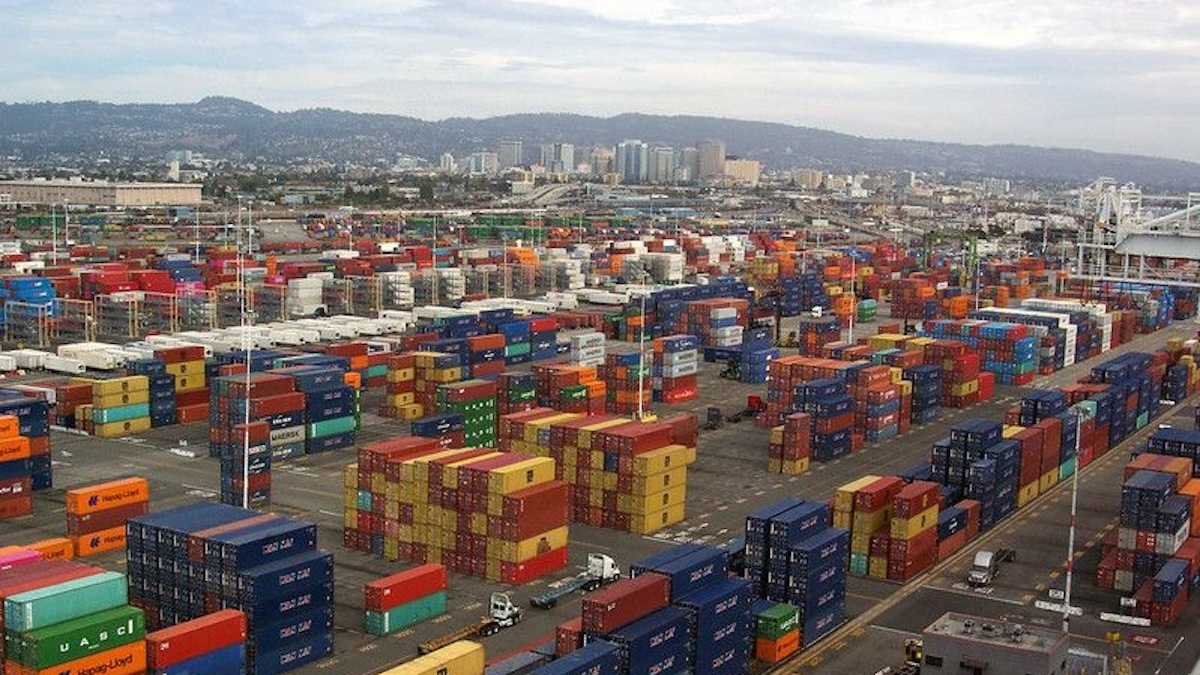
The Port of Oakland experienced a significant decline in imports, processing 163,254 twenty-foot equivalent units (TEUs) in February, a drop of 14.5% compared to the same period last year. This decrease is largely attributed to reduced vessel calls, which fell from 86 in January to 72 in February. The decrease in vessel calls was partly due to planned blank sailings during the Lunar New Year holiday.
The shift in trade patterns has led carriers to redirect U.S. imports to hubs in Mexico and Canada, where cargo can be easily transported by rail or truck into U.S. markets. This change is a result of changing consumer demand and market trends. As a result, the Port of Oakland is facing increased competition from other ports in North America.
Export volumes also saw a decline, with 86,796 export TEUs processed in February, representing a decrease of 9.5% compared to last year's levels. However, exports still outpaced imports, with 76,458 import TEUs decreasing by 19.6%. This suggests that the Port of Oakland remains an important gateway for U.S. trade.

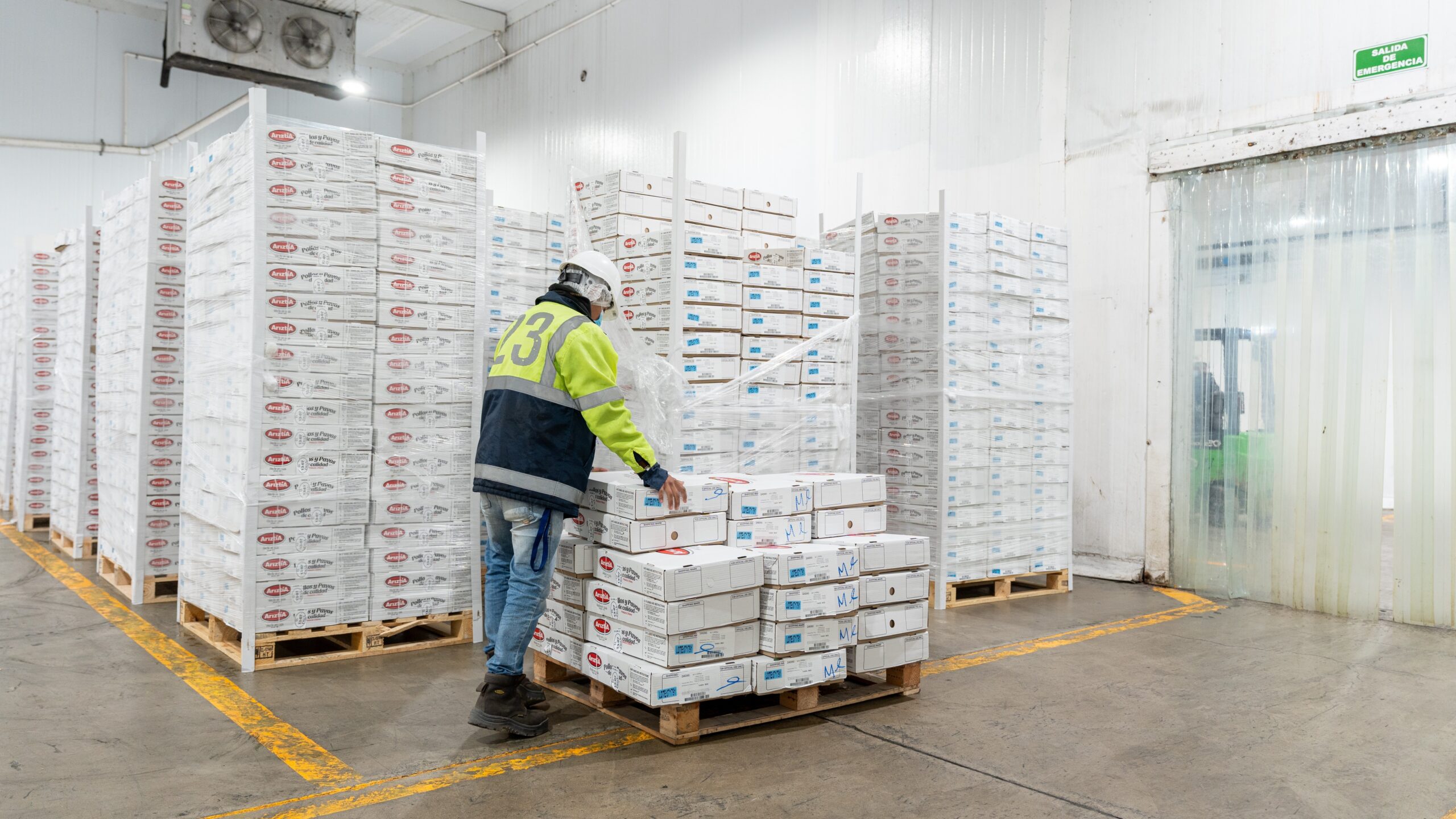
The resilience of the port's export business can be attributed to its strong focus on refrigerated and agricultural cargo, which has remained relatively stable despite the decline in vessel calls. This reflects the port's continued role as a leader in these critical sectors.
The Port of Oakland is a key gateway for the region's nuts, beef, pork, tomato products, and wine exports. These industries are crucial to the U.S. economy, and any disruptions to their supply chains can have significant impacts on trade and commerce.
Loaded containers accounted for the majority of cargo, with 130,192 TEUs processed in February. Empties came to 33,062 TEUs, which is a relatively small portion of the total volume. This suggests that the port's handling capacity remains strong despite the decline in imports.
Year-to-date, loaded containers account for approximately 78% of total TEUs, while exports represent about 51% of overall volume. This indicates that the port is well-positioned to handle a range of cargo types and volumes.
The Port of Oakland's performance highlights the need for investment in infrastructure to support the growth of U.S. trade. With imports expected to continue declining, it is essential that ports like Oakland are equipped to handle changing market conditions and supply chain disruptions.
As the global economy continues to evolve, the Port of Oakland will play an increasingly important role in facilitating U.S. trade. Its resilience in the face of declining imports and shifting trade patterns bodes well for its future growth and success.