

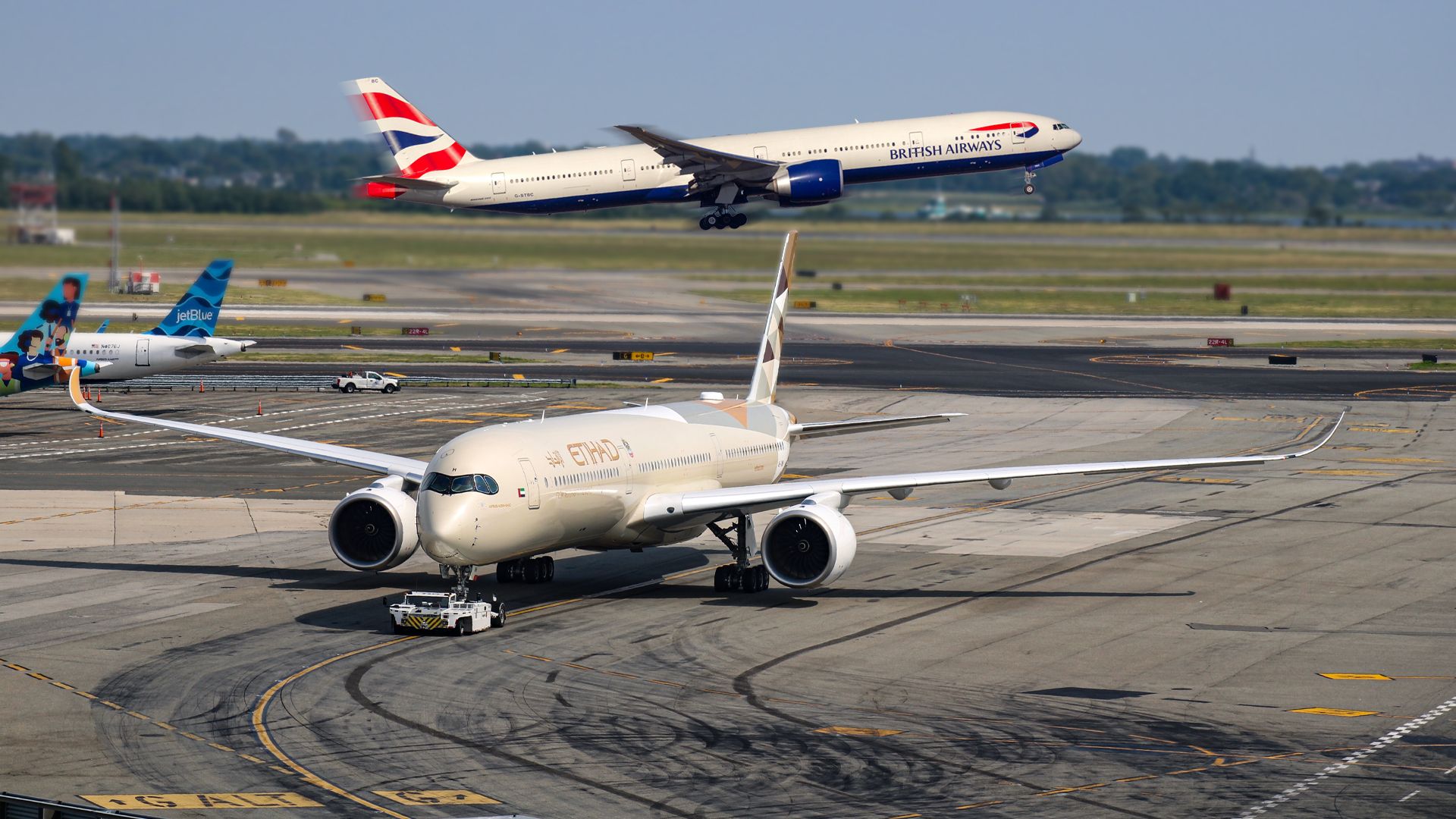
The Airbus A350-1000 boasts a maximum range of up to 8,700 nautical miles, giving it a measurable edge over its counterpart, the Boeing 777-300ER. However, this gap can be bridged in airline operations due to various factors such as flight planning and fuel efficiency. Both aircraft are designed for ultra-long-haul routes, with major US hubs like Los Angeles International Airport, John F. Kennedy International Airport, and Dallas/Fort Worth International Airport being key connections points.
The A350-1000's range advantage is largely offset by the Boeing 777-300ER's superior payload capabilities, making it a more attractive option for airlines with heavy cargo requirements. Additionally, the 777-300ER has a proven track record of reliability and durability, which can be a significant factor in airline operations.
Despite its advantages, the A350-1000 remains an attractive option for airlines seeking to reduce fuel burn and increase efficiency. Its modern design philosophy incorporates advanced materials, improved aerodynamics, and next-generation systems that aim to minimize environmental impact while maximizing passenger comfort.
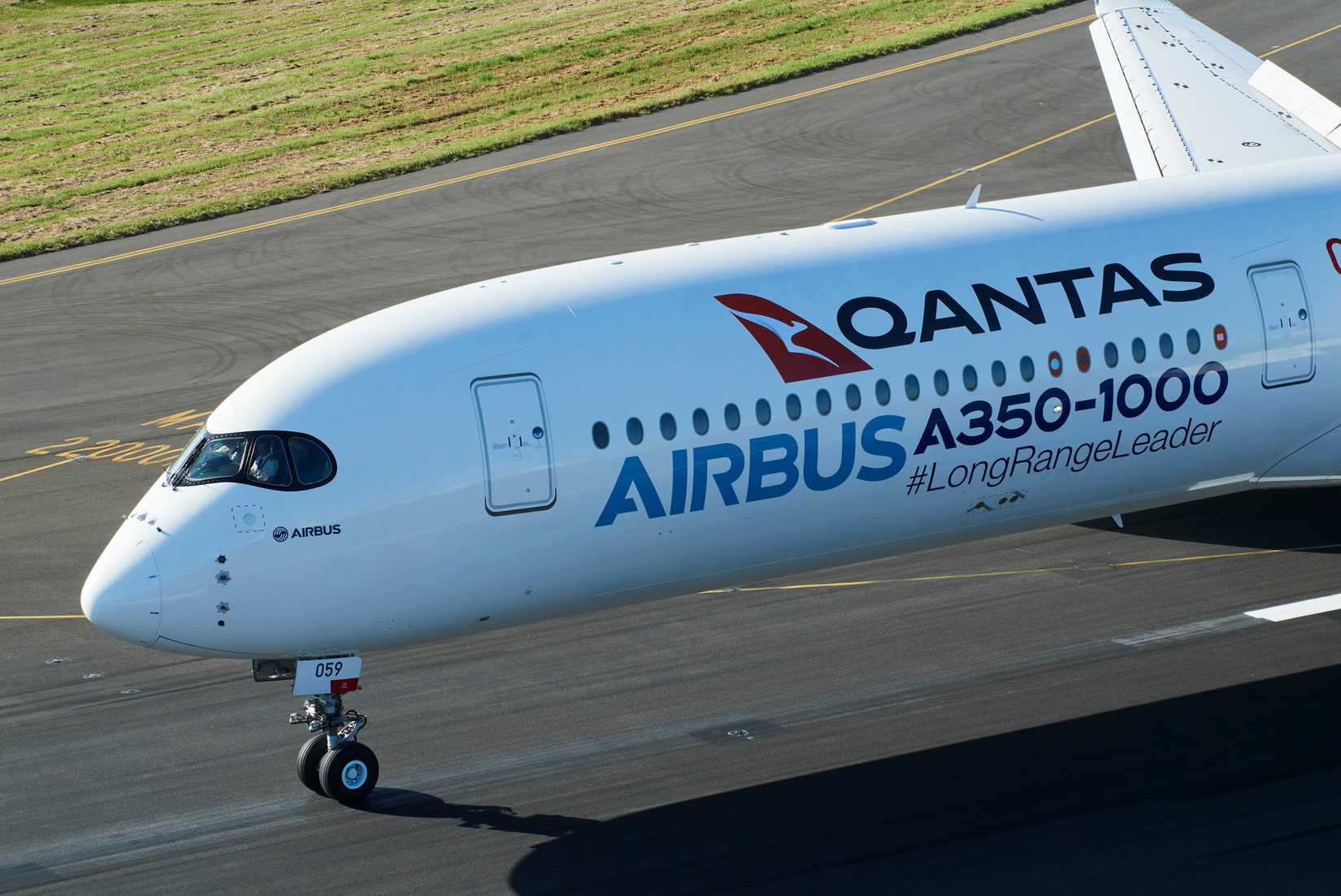
The Boeing 777-300ER, on the other hand, represents a mature and highly refined platform that has been battle-tested over decades of service. Its impressive payload capabilities and durability make it an ideal choice for airlines with heavy cargo requirements or those operating in regions with limited infrastructure.
When comparing the two aircraft on paper, the A350-1000 holds a clear advantage in terms of range. However, this advantage may not be as significant in reality due to various factors such as flight planning and fuel efficiency. Airlines must carefully consider these factors when choosing between these aircraft.
The A350-1000's modern design philosophy is aimed at reducing the environmental impact of air travel while increasing passenger comfort. Its advanced materials and aerodynamic refinement aim to minimize fuel burn and reduce emissions.
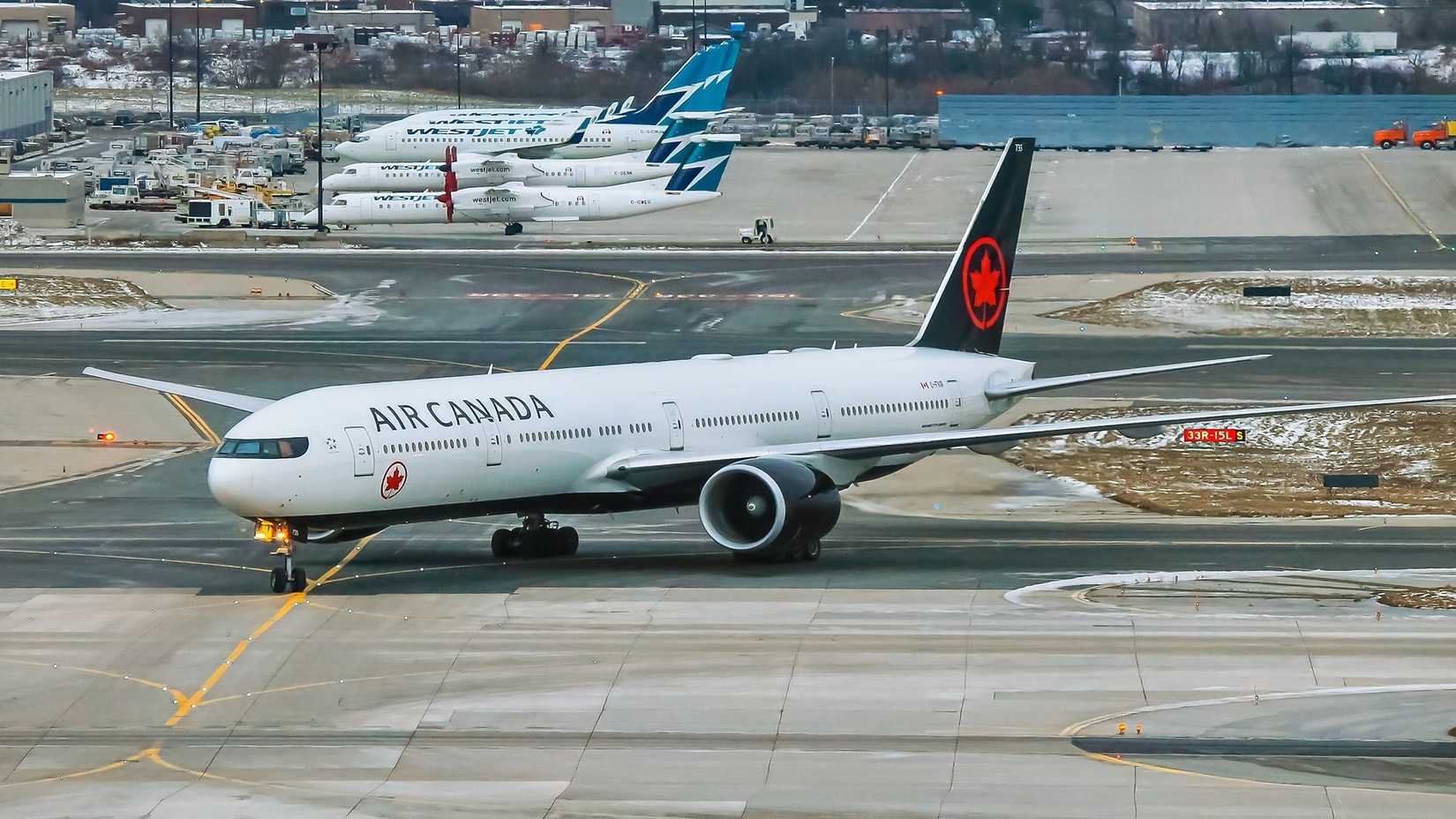
In contrast, the Boeing 777-300ER represents a more traditional approach to long-haul aviation. While it may not feature the same level of modern technology as the A350-1000, its track record and performance consistency have made it a cornerstone of long-haul operations globally.
The choice between the A350-1000 and the Boeing 777-300ER ultimately depends on an airline's specific needs and priorities. While range may be an important consideration for some airlines, others may prioritize fuel efficiency, cargo payload, or network flexibility.
Ultimately, both aircraft are designed to tackle the challenges of ultra-long-haul routes with ease. The A350-1000's range advantage may not be the deciding factor in airline operations, but its modern design philosophy and advanced technology make it an attractive option for airlines seeking to reduce environmental impact while increasing passenger comfort.

The A350-1000's range advantage may not be the deciding factor for airlines when choosing between these aircraft, as fuel efficiency and cargo payload become increasingly important considerations.