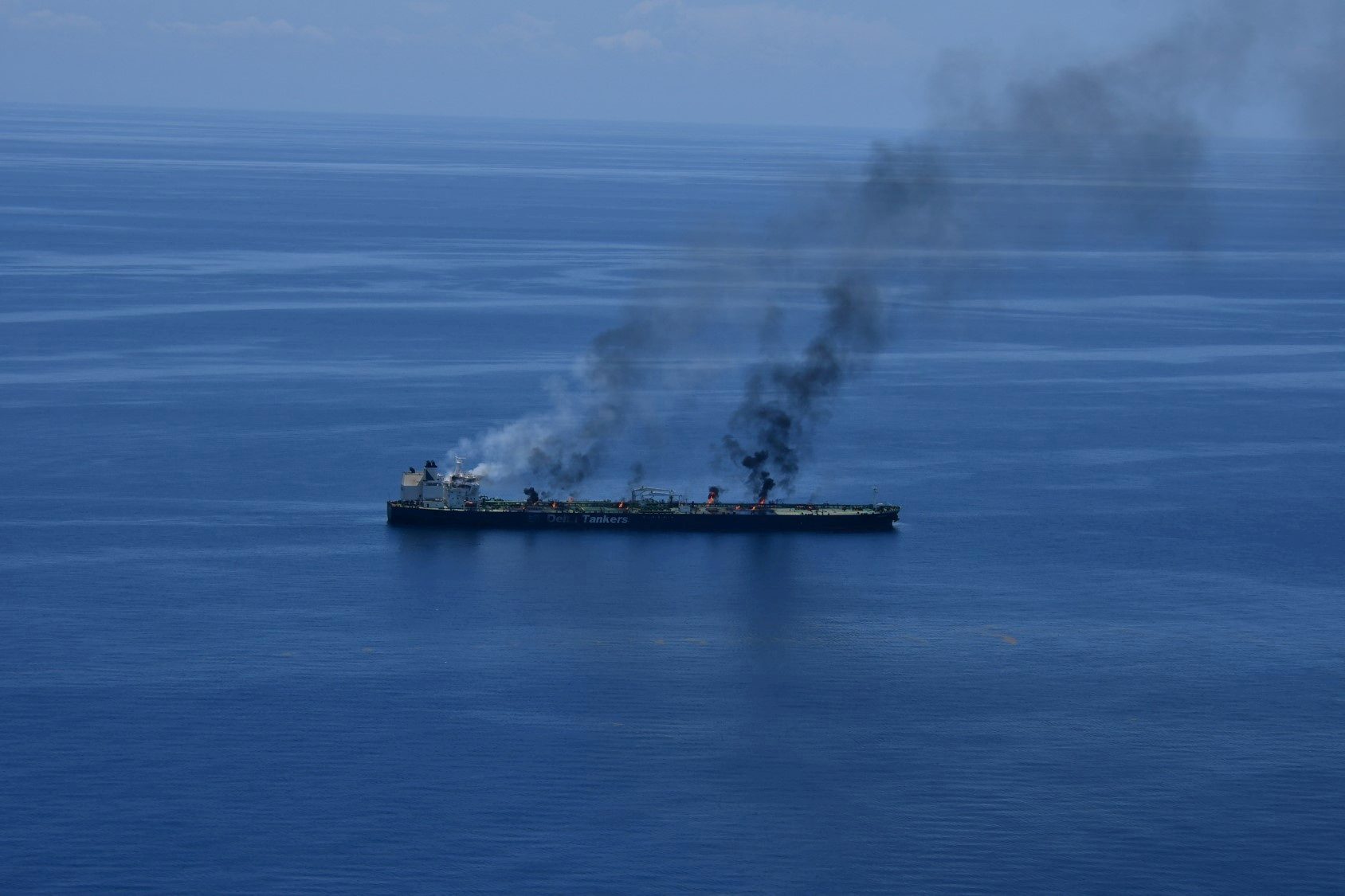



A tanker carrying some 200,000 barrels of Russia-origin fuel originally bound for Cuba has arrived in Venezuelan waters, LSEG ship-monitoring data showed on Friday. The vessel, Sea Horse, had been stuck in the Atlantic Ocean for weeks and rerouted from Cuba to Venezuela due to unclear circumstances. This move is a significant development in the ongoing energy crisis affecting Cuba, which has seen several power blackouts this month. The country's reliance on foreign fuel sources is further exacerbated by the US blockade, which restricts oil imports from certain countries.
The Hong Kong-flagged vessel Sea Horse had loaded Russia-origin diesel through a ship-to-ship transfer earlier in the year and was expected to deliver its cargo to Cuba. However, it changed course to Venezuela after remaining stuck at sea for an extended period. This rerouting is likely to have significant implications for Cuba's energy sector, which has struggled with frequent power outages. The country's energy crisis is a pressing concern, with gasoline, diesel, cooking gas, and jet fuel in short supply.
The US blockade of Cuba, implemented by the administration of President Donald Trump, restricts oil imports from certain countries, including Venezuela, Mexico, and Russia. This policy has had far-reaching consequences for Cuba's economy and energy sector. The country's private sector is now reliant on foreign fuel supplies, while the government is restricted to purchasing oil from sanctioned countries.
The US blockade has aggravated a long-standing energy crisis in Cuba, which has seen frequent power outages and shortages of essential fuels. The energy crisis has had significant social and economic impacts on the island nation, with many Cubans struggling to access basic necessities like electricity and fuel. The situation is further complicated by the country's limited oil reserves and reliance on foreign imports.
The Sea Horse was last reported to be between the ports of El Palito and Puerto Cabello on Venezuela's coast, according to LSEG data. It has not discharged its cargo, which consists of 200,000 barrels of Russia-origin fuel. The vessel's presence in Venezuelan waters is a significant development in the ongoing energy crisis affecting Cuba.
Another Russia-origin cargo, carried by U.S.-sanctioned tanker Anatoly Kolodkin, was en route to Cuba on Friday. If it does not reroute or slow down, it could reach Cuban waters over the weekend. This development highlights the complexities of the US blockade and its impact on global energy markets.
Separately, two vessels carrying humanitarian aid to Cuba from Mexico, including medicines and energy-related goods, were reported missing on Thursday after failing to arrive in Havana as scheduled. The Mexican navy has confirmed that there has been no communication from the vessels and no confirmation of their arrival. This incident highlights the risks and challenges associated with international aid shipments to Cuba under the US blockade.
The situation in Venezuela is further complicated by its own energy crisis, which has seen frequent power outages and shortages of essential fuels. The country's oil industry is struggling to cope with the demands of its population, leading to a significant reliance on foreign fuel imports. This reliance is likely to exacerbate the energy crisis affecting Cuba.
The presence of Russian tankers in Venezuelan waters raises questions about the long-term implications for global energy markets and the US blockade policy. As the situation in Venezuela continues to unfold, it will be important to monitor developments in the energy sector and their potential impact on international relations and global trade.