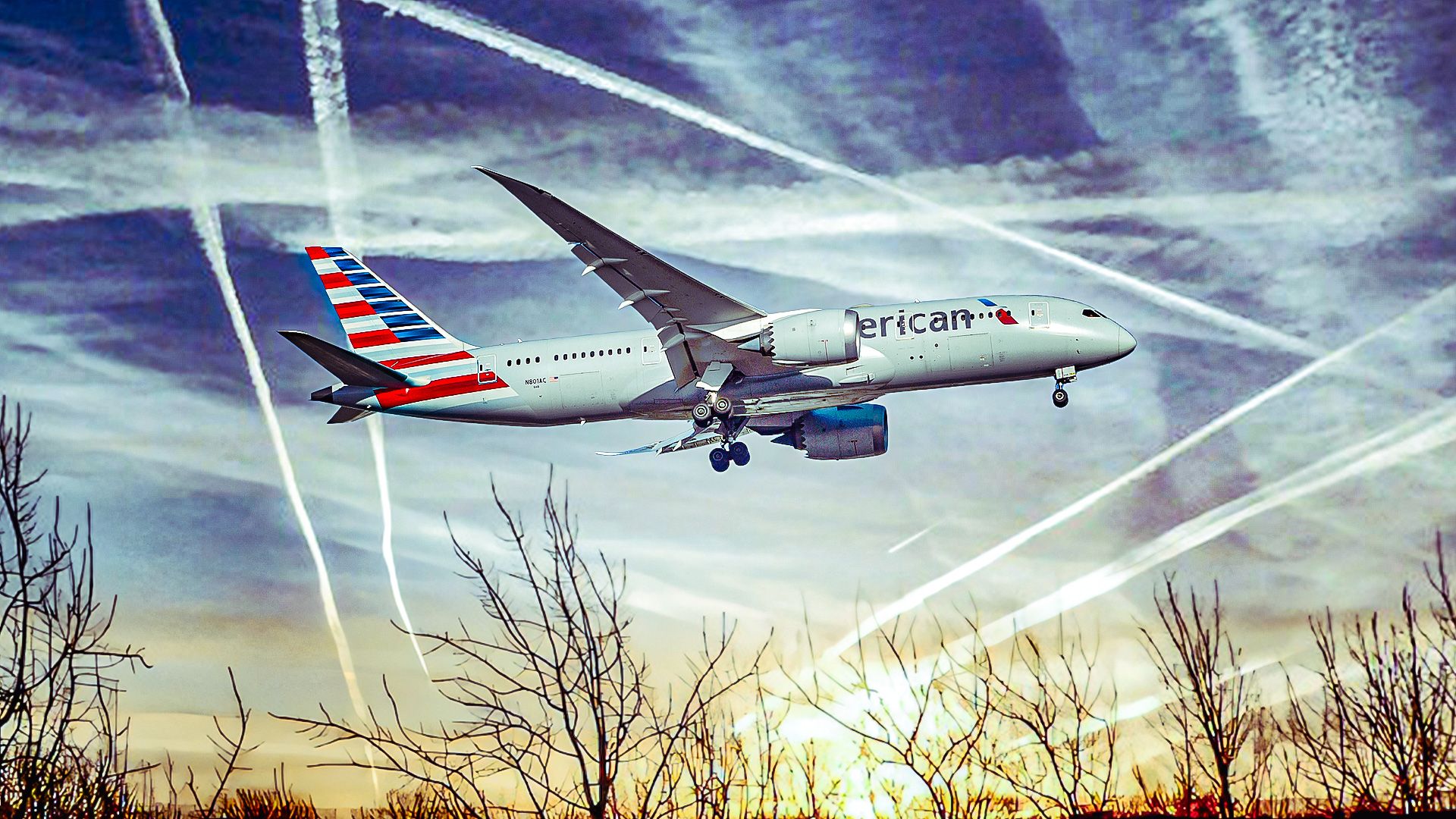
While vapor trails produced by airliners may not contain chemical agents sprayed for secretive reasons, they do pose a risk to the environment. Contrails are formed when specific atmospheric conditions combine with elements from an aircraft's engine exhaust, resulting in long trails that form behind an aircraft. These trails can have a significant impact on the environment, prompting airlines and manufacturers to seek solutions. American Airlines, the US' second-largest airline, is now turning to artificial intelligence to tackle this issue.
American Airlines is working with Google to utilize AI-forecasting tools to combat contrails. The airline is currently trialing the system to determine its true functions and benefits, but the results so far are promising. This marks one of the airline industry's strongest measures yet to combat contrails, a major source of aviation pollution.
The use of AI-powered tools in this context represents a significant shift towards more sustainable aviation practices. By leveraging advanced technology, airlines can reduce their environmental impact and contribute to a cleaner skies policy.
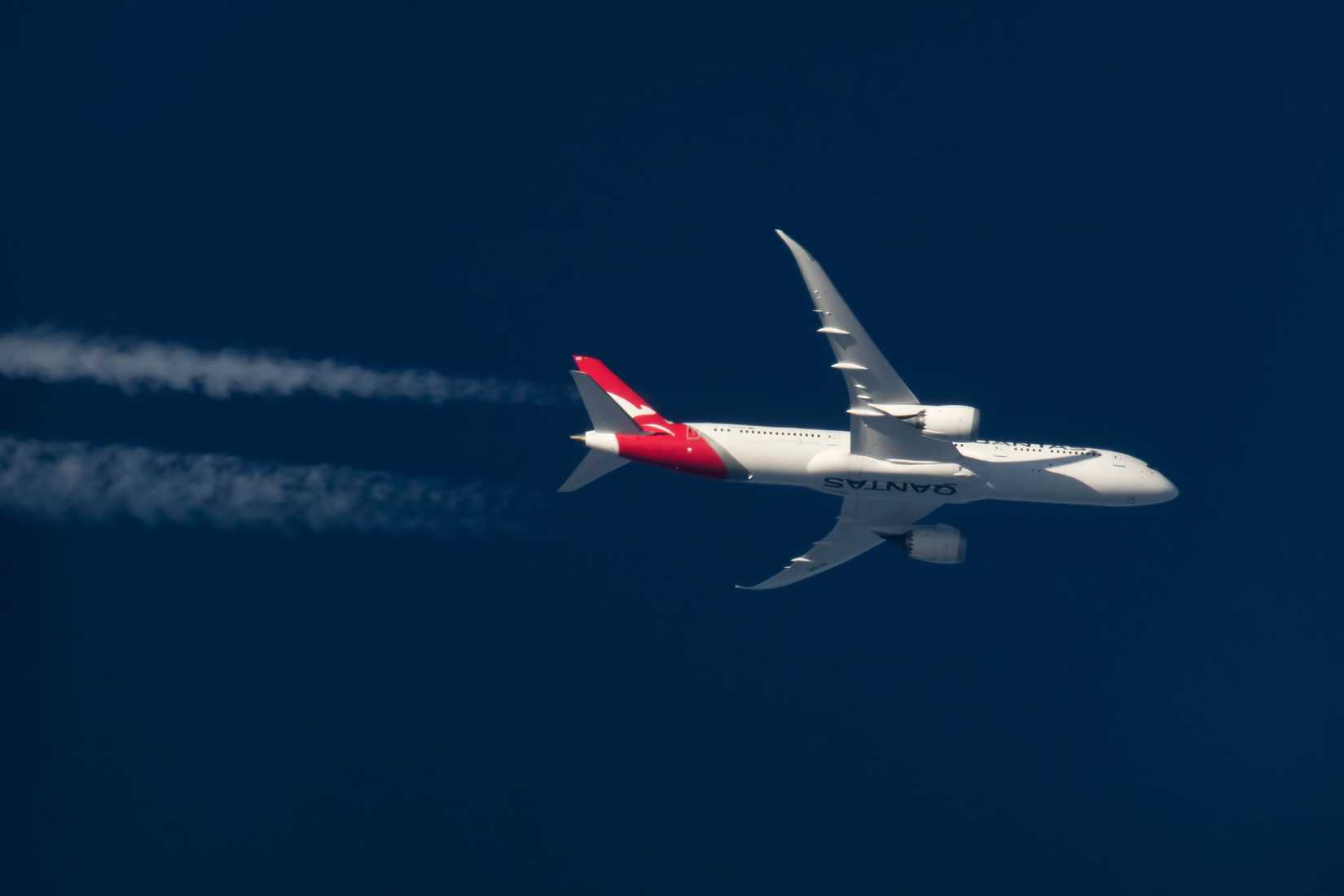
Commercial airliners typically cruise between 30,000 feet and 43,000 feet, where the air is sufficiently thin that drag is significantly reduced and fuel burn is lower. Flying at these altitudes allows planes to overfly rough weather, but it also increases the likelihood of contrails forming. This is because conditions are ideal for contrails at these high altitudes.
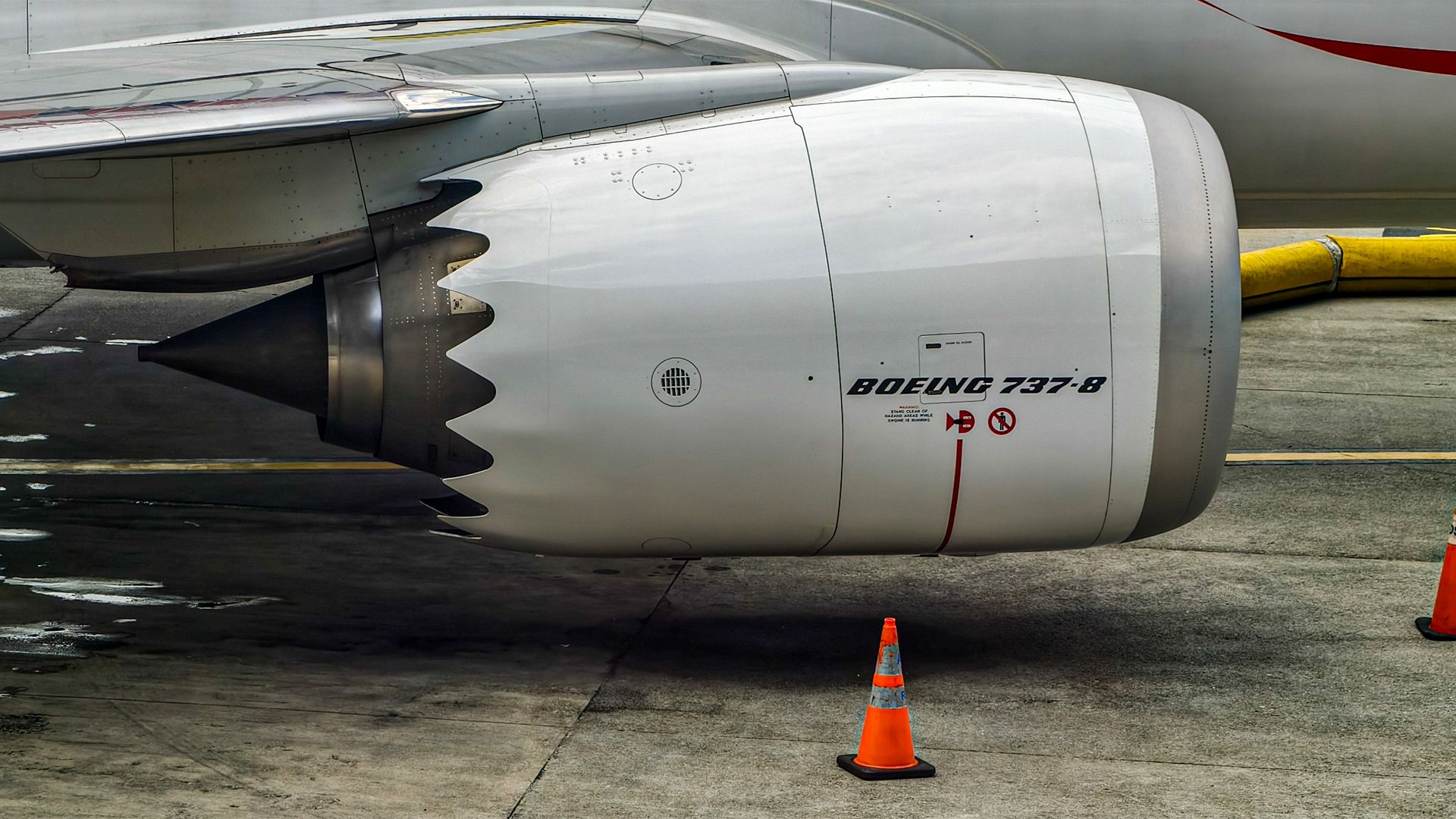
Contrails are formed when hot, humid exhaust air from an aircraft's engine comes into contact with thin, cold air at high altitudes. This results in a relative humidity increase, essentially creating a cloud-like effect that leads to the formation of a contrail. The time required for the air to cool results in long trails.
There are three major types of aircraft contrails: 'short-lived', 'persistent non-spreading', and 'persistent spreading'. Each type has a greater impact on the environment than the last, with contrails as a whole being believed to be one of the aviation industry's biggest contributors to climate change. Manufacturers and airlines are prioritizing solving this issue to reduce their environmental impact.
The airline industry as a whole aims to reduce its environmental footprint, and the use of AI-powered tools is an important step in achieving this goal. By leveraging advanced technology, airlines can minimize their contribution to climate change and promote more sustainable aviation practices.
American Airlines' partnership with Google represents a significant collaboration between industry leaders and technology companies. This partnership has the potential to drive innovation and improve sustainability in the airline industry, setting a positive precedent for other companies to follow.
The use of AI-powered tools to combat contrails represents a significant step forward for the airline industry in reducing its environmental impact.