
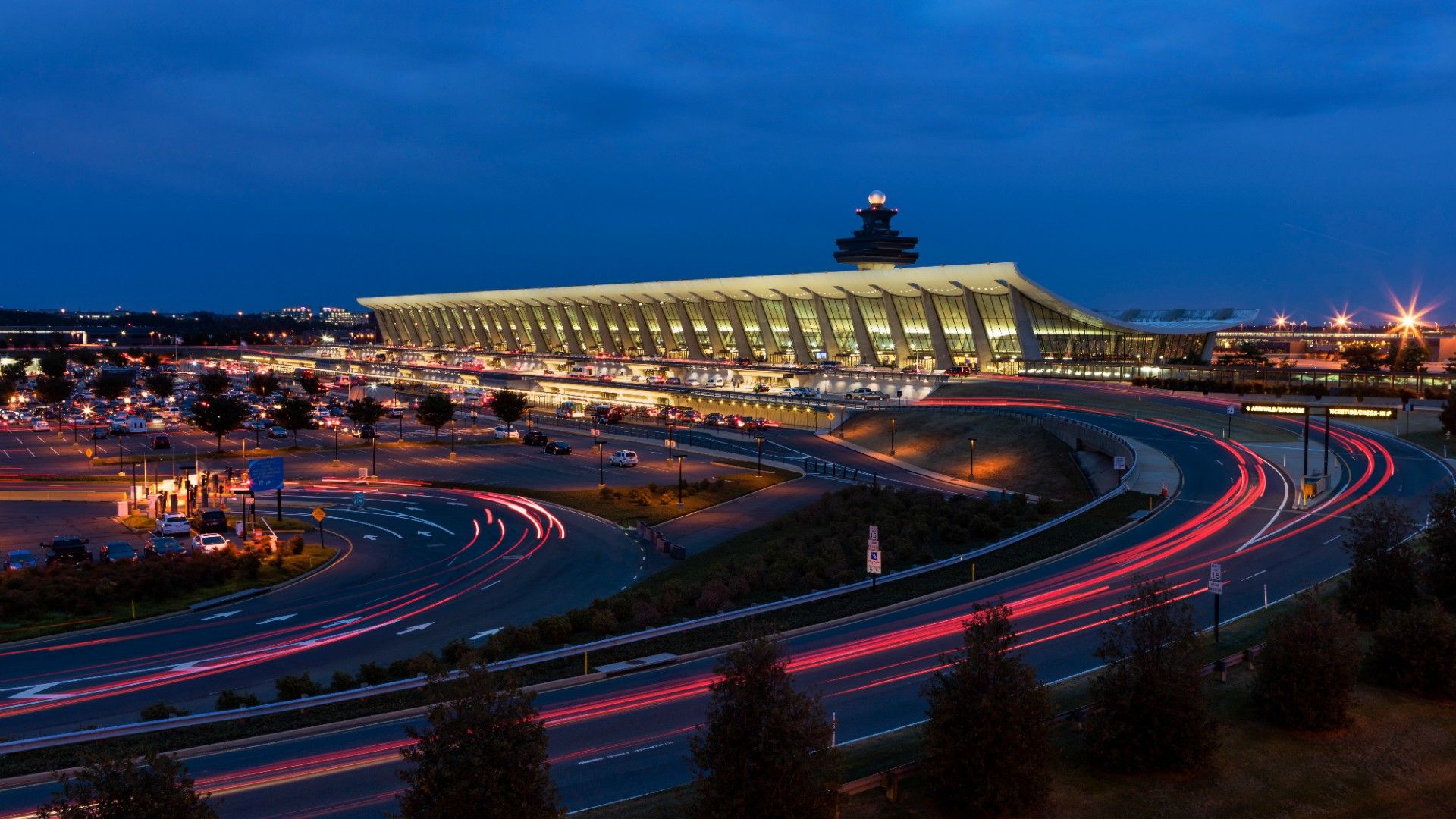
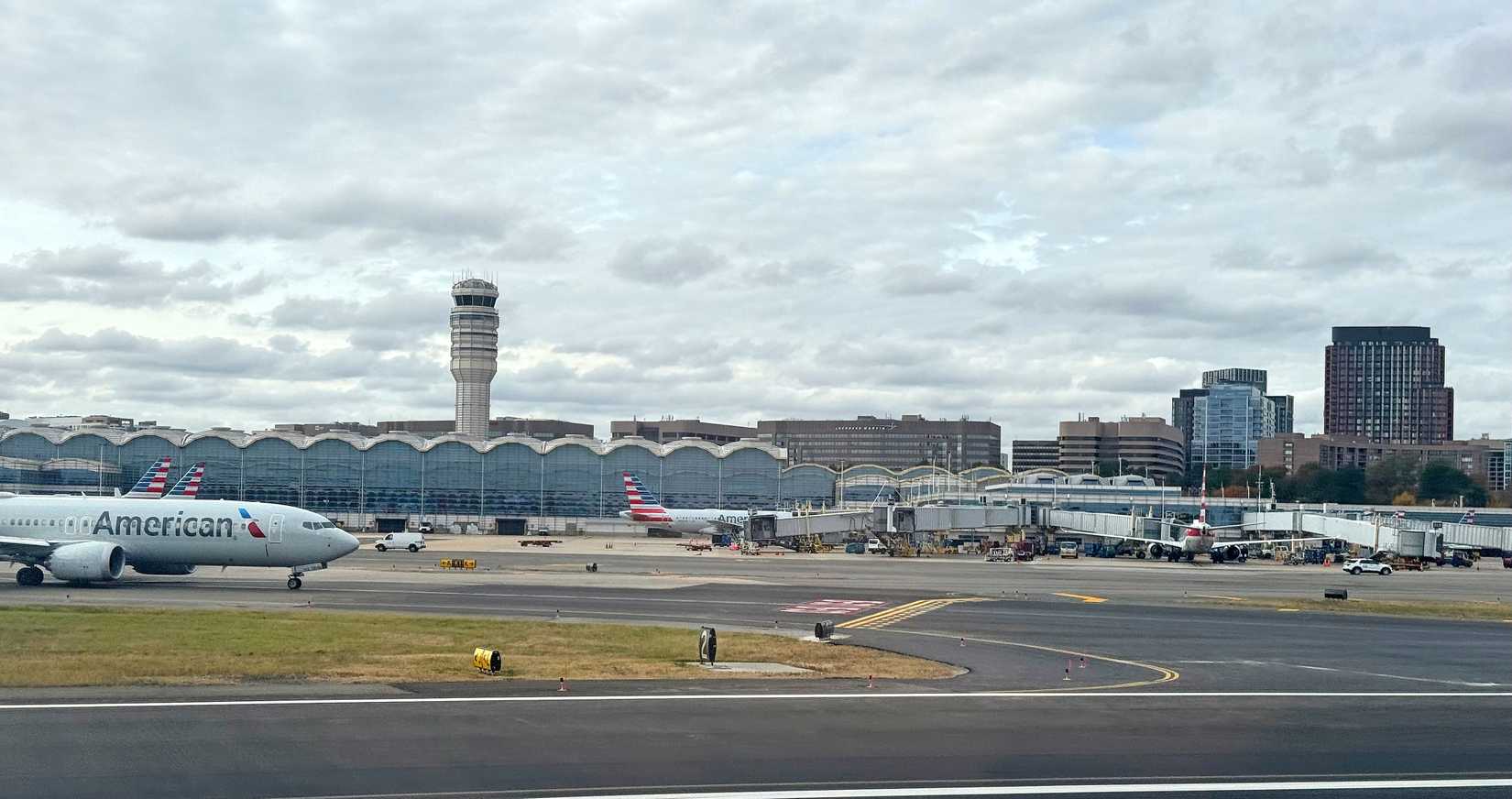
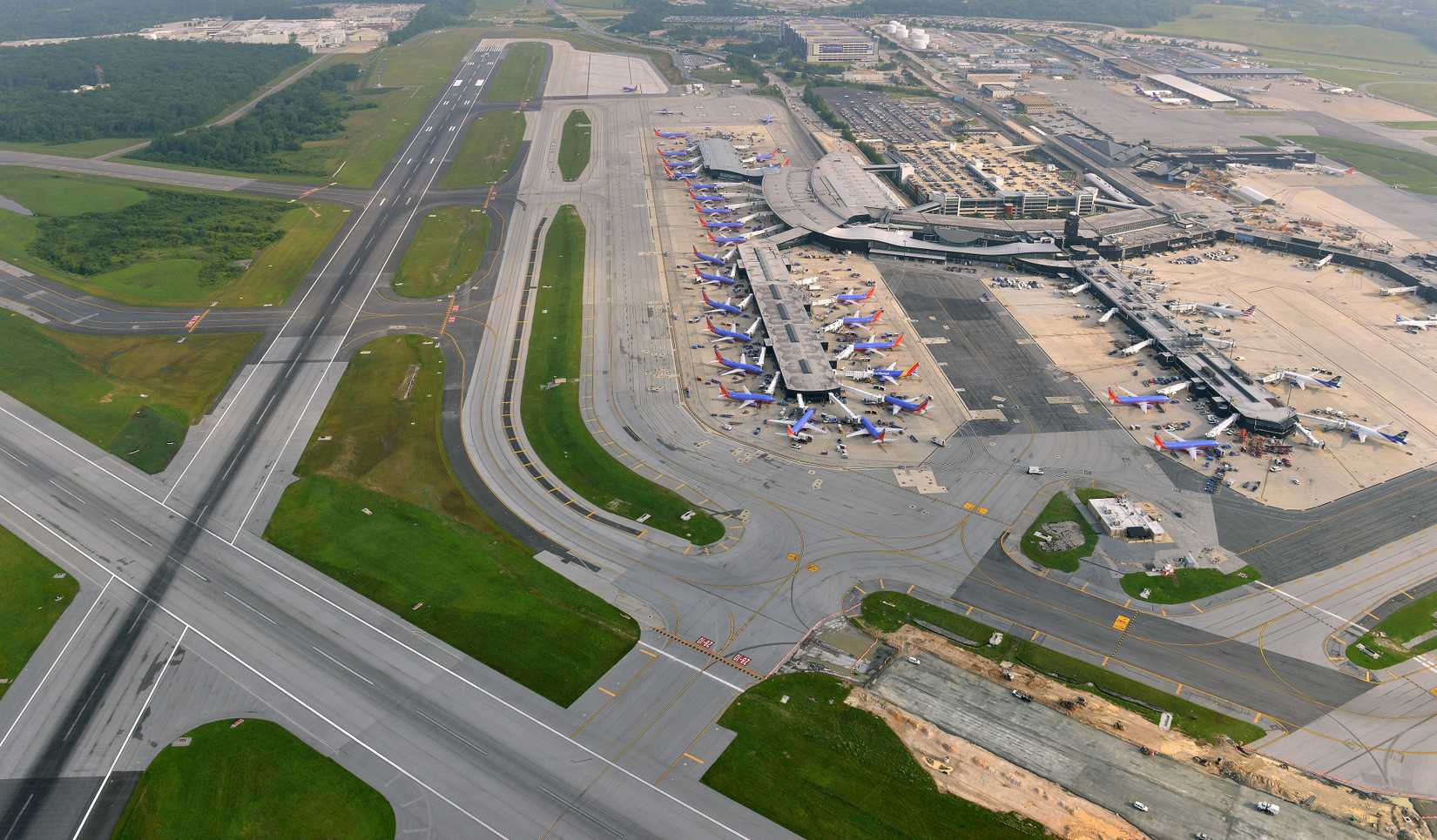
A strong chemical-type smell at the air traffic control facility in Washington D.C. has resulted in disruptions at three major airports, including Washington Dulles International Airport, Ronald Reagan Washington National Airport, and Baltimore/Washington International Thurgood Marshall Airport. This is not an isolated incident, as a similar event occurred two weeks ago, on March 13, when the facility was also evacuated due to a strong chemical-smelling odor. The cause of yesterday's incident remains unknown, but it has already led to significant disruptions in air traffic, with reports indicating several flights being diverted and flight cancellations and delays recorded across multiple airports.
The ground stop issued at around 06:30 PM local time resulted in flights being unable to depart or arrive, causing a ripple effect on the surrounding area. The FAA lifted the ground stop within two hours, but not before significant disruptions had occurred. Flight data from FlightAware shows that between the three airports, a total of 56 cancellations and 691 delays were recorded yesterday.
The incident highlights the importance of maintaining airport safety and emergency preparedness protocols. When the air traffic control facility is compromised due to an unknown chemical odor, it can have far-reaching consequences for air traffic flow. The fact that the situation was resolved faster than the previous incident two weeks ago is a positive note, but it also underscores the need for airports to be vigilant in monitoring their facilities and responding quickly to any potential issues.
The repeated incidents also raise questions about the effectiveness of airport security measures and emergency response procedures. It would be essential for airports to conduct thorough investigations into these incidents to determine the root cause and implement corrective actions to prevent similar events from occurring in the future.
In contrast to the previous incident, which lasted for over four hours, yesterday's ground stop was lifted within two hours, suggesting a more efficient response. However, this also highlights the need for airports to be prepared for prolonged disruptions and have contingency plans in place to mitigate their impact on air traffic flow.
The FAA has issued guidance on airport safety and emergency preparedness protocols, but it remains to be seen whether these measures are being effectively implemented across all airports. The repeated incidents at Washington D.C.'s major airports underscore the need for a more robust approach to addressing potential safety concerns.
The incident also highlights the importance of transparency in communicating with the public and stakeholders during such events. Clear communication is essential in managing public expectations and ensuring that passengers are informed about flight disruptions and cancellations.
As air travel continues to grow, the risk of similar incidents occurring at airports increases. It is crucial for airports to prioritize airport safety and emergency preparedness protocols to minimize the impact on air traffic flow and ensure a smooth passenger experience.
The FAA's response to these incidents demonstrates its commitment to ensuring public safety, but it also highlights the need for ongoing vigilance and proactive measures to prevent such events from occurring in the future.
The repeated incidents highlight concerns about airport safety and the need for robust emergency preparedness protocols.