

Airlines are retiring relatively young aircraft, such as the Airbus A320neo and A220, some as little as 4–8 years old, primarily due to engine reliability issues and the rising value of spare engines. This shift in aviation economics is forcing airlines to reevaluate their fleet management strategies.
The analysis reveals six key factors driving early aircraft retirements, including engine shortages, part-out economics, leasing strategies, and supply chain constraints. By examining real-world operator examples and current maintenance data, it becomes clear that the benefits of dismantling a modern aircraft can outweigh keeping it in service, especially when faced with persistent engine reliability problems.
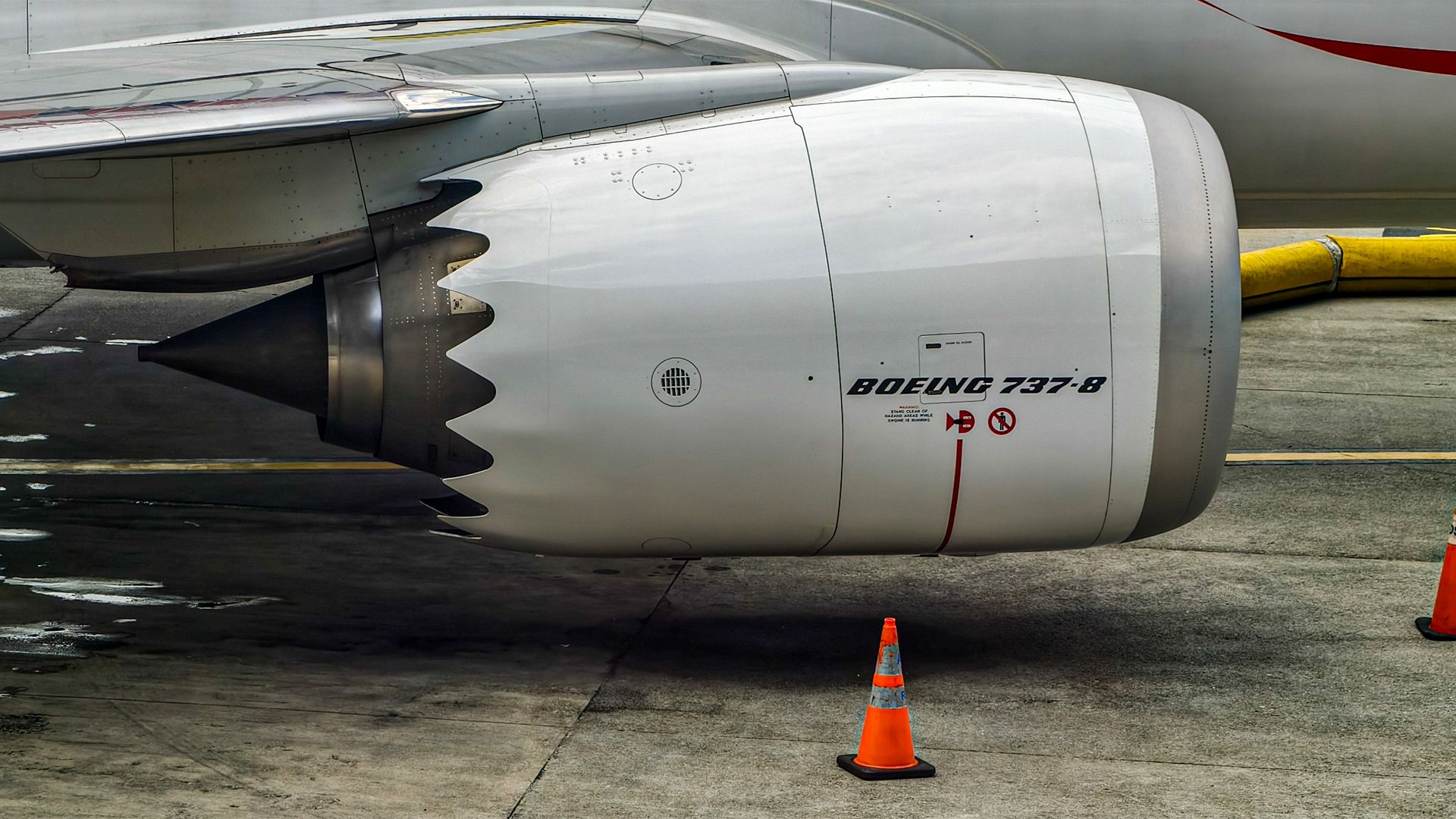
Engine reliability issues are a major contributor to early aircraft retirements. Modern engines, particularly newer-generation designs like the Pratt & Whitney PW1000G, are built for fuel efficiency and lower emissions but also introduce unexpected technical issues, including premature wear and frequent maintenance requirements. These problems can leave aircraft grounded for extended periods while engines undergo inspections, repairs, or replacements.
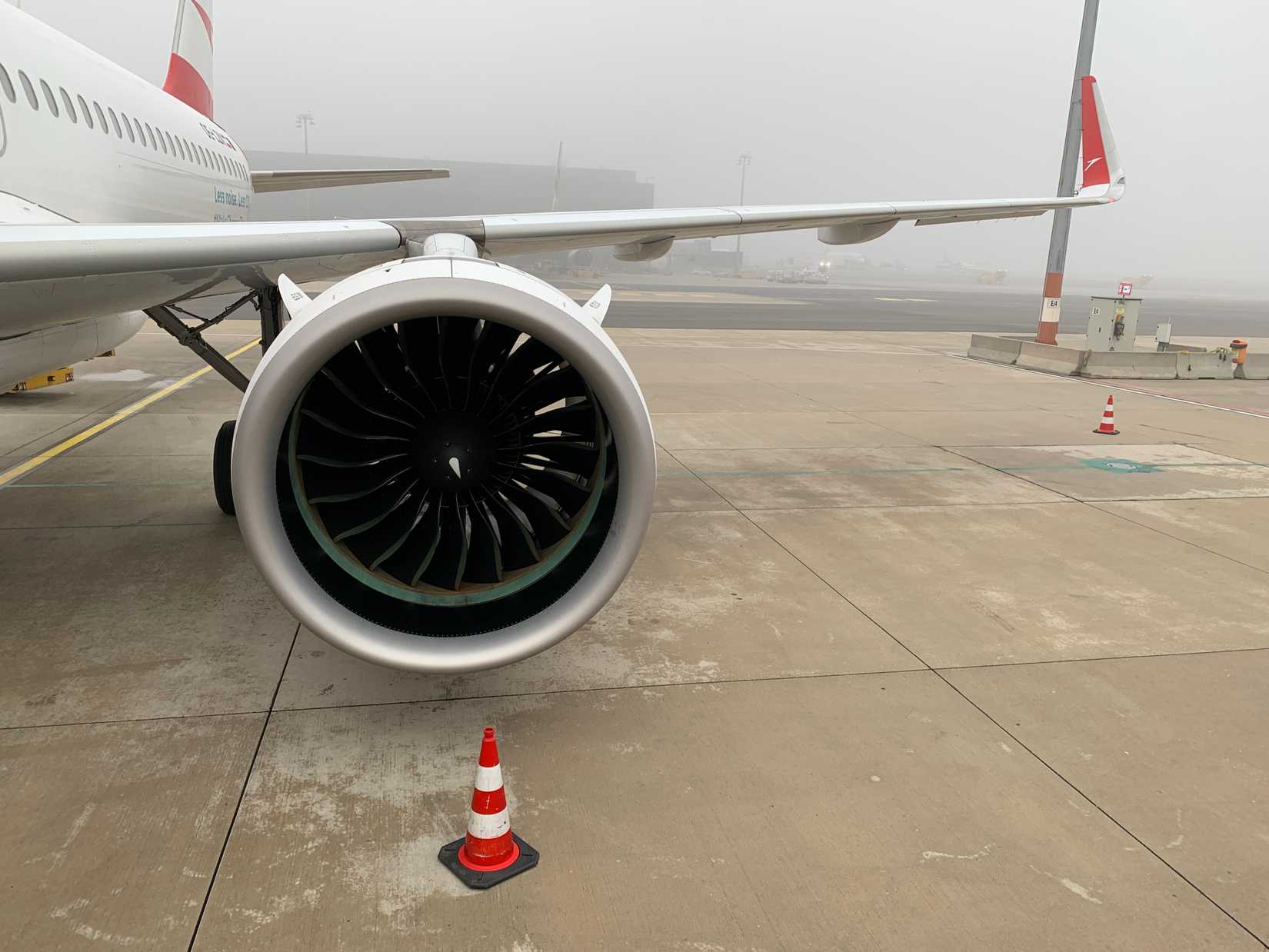
Airlines are facing significant challenges in maintaining their fleets due to the complexity of modern engines. IndiGo's A320neo fleet has been temporarily out of service due to engine inspections, while Air Austral struggled to keep its A220 aircraft operational because of recurring engine faults. The inability to rely on these engines makes them economically unviable to operate.
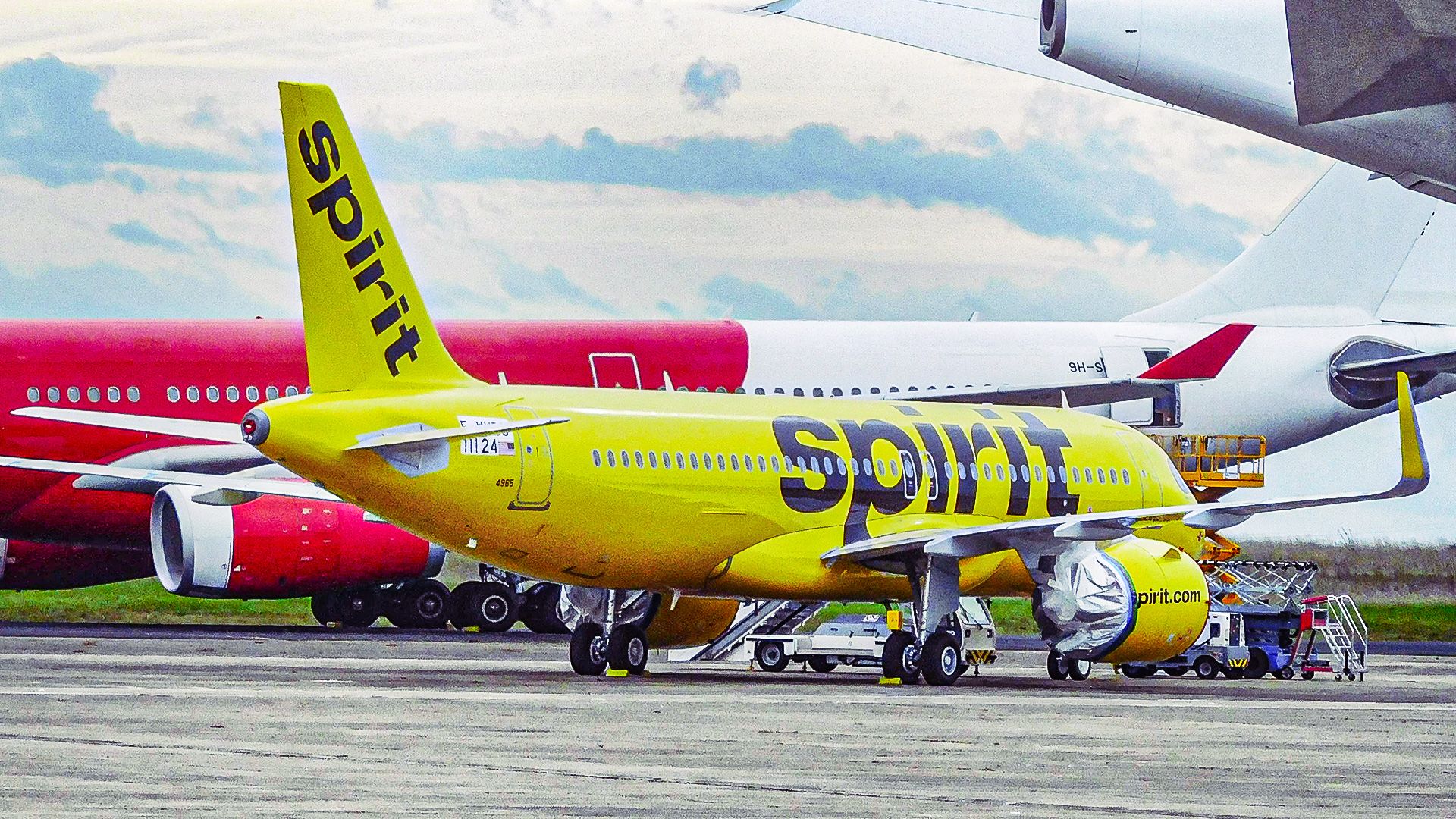
The rising value of spare engines is another factor driving early aircraft retirements. Global shortages, limited maintenance capacity, and durability issues with newer engines have created a situation in which engines are scarce and highly sought after. Airlines such as Lufthansa and Spirit Airlines have reported aircraft being grounded simply because spare engines are unavailable.
Airlines are forced to make difficult decisions when faced with persistent engine reliability problems. Rather than continuing to deal with unreliable performance and operational disruptions, some choose to retire these aircraft earlier than planned. This is evident in the case of Air Austral, which decided to phase out its relatively new A220 fleet after ongoing engine-related issues.
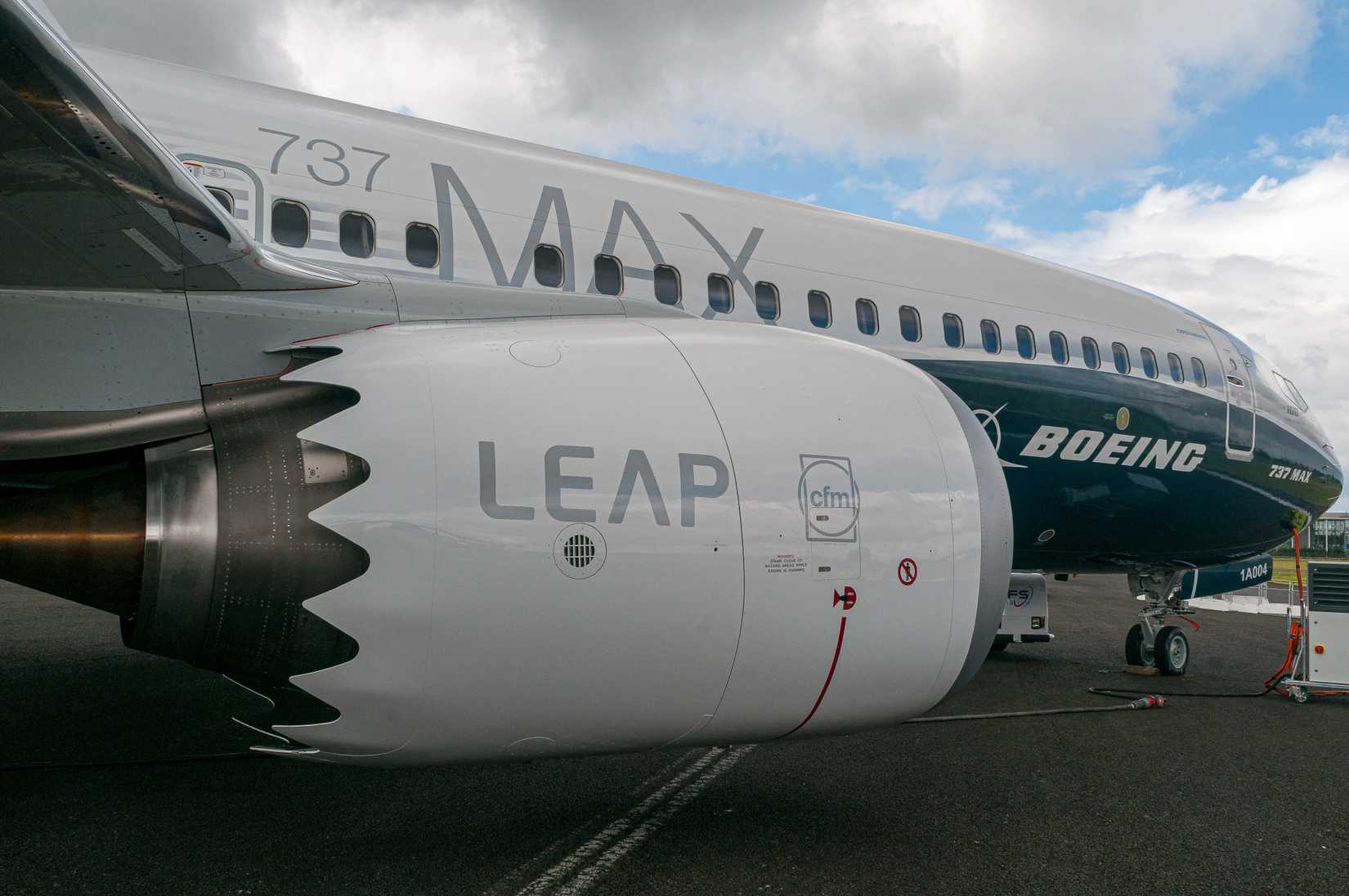
The trend of early aircraft retirements highlights the significant impact of engine reliability issues on airline operations and profitability. As airlines seek to minimize downtime and optimize their fleets, they must also consider the economic implications of maintaining or retiring specific aircraft.
A major shift in aviation economics is underway, with engines becoming a critical component of fleet management decisions. Airlines must carefully weigh the costs and benefits of maintaining or retiring individual aircraft, taking into account factors such as engine reliability, maintenance requirements, and spare engine availability.
The early retirement of young aircraft is likely to continue as airlines seek to mitigate the risks associated with modern engine technology. By understanding the root causes of these issues and developing strategies to address them, airlines can minimize downtime and optimize their fleets for greater efficiency and profitability.
As the aviation industry continues to evolve, it will be essential for airlines to prioritize engine reliability and maintenance in order to maintain competitiveness and profitability. The trend of early aircraft retirements serves as a reminder of the critical role that engines play in determining the success of airline operations.
The trend of early aircraft retirements highlights the significant impact of engine reliability issues on airline operations and profitability.