

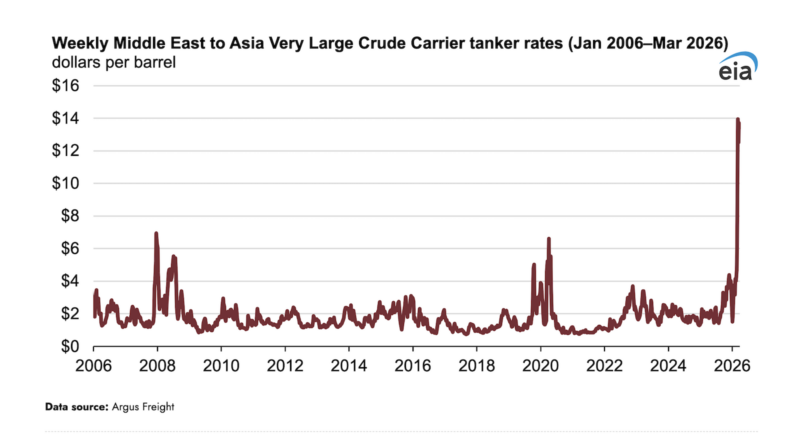
The Middle East crude oil tanker rate has reached a multi-decade high in March, according to industry reports. This increase is largely attributed to the ongoing conflict in Ukraine and its impact on global oil supplies. The war has disrupted oil production and transportation in several key regions, leading to a shortage of available tankers to carry crude oil. As a result, shipowners are commanding higher rates for their vessels, which is expected to continue through 2023.
The tanker rate index, which tracks the cost of shipping crude oil by sea, has been steadily rising over the past year. In March, the index reached its highest level since 1992, when records began being kept. This significant increase in rates is a clear indication that the global energy market is facing a major supply shortage. The shortage is largely due to Russia's invasion of Ukraine, which has led to a reduction in oil exports from several key regions.
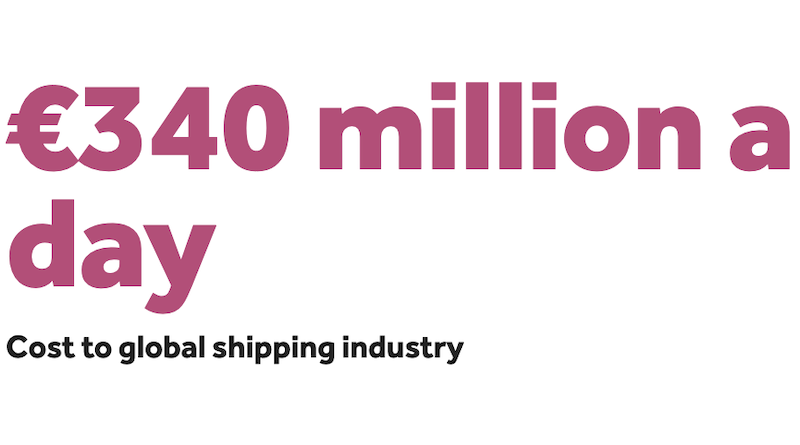
The surge in tanker rates is also having a ripple effect on the entire shipping industry. With more ships being chartered and fewer vessels available for hire, shipowners are facing increased costs and reduced profits. This could lead to a decrease in investment in new ships and equipment, which would further exacerbate the shortage of tankers. As a result, the global energy market is likely to face significant challenges in the coming months.
The impact of the tanker rate surge on consumers is still unclear, but it's likely that prices for oil will rise as a result. With more money being spent on shipping crude oil, shipowners are able to command higher rates, which means they can earn more revenue from their vessels. This could lead to increased profits for shipowners, but it also means that consumers may face higher prices at the pump.
The tanker rate surge is also having a significant impact on the global economy. With more money being spent on shipping crude oil, there is less available capital for other industries and sectors. This could lead to reduced economic growth and increased inflation in the coming months. As a result, policymakers are likely to be closely monitoring the situation and considering ways to mitigate its impact.
The tanker rate surge is also having a significant impact on the environment. With more ships being chartered to carry crude oil, there is an increased risk of spills and other environmental disasters. This could have devastating consequences for marine ecosystems and coastal communities. As a result, policymakers are likely to be taking steps to regulate the industry and reduce its environmental impact.
The tanker rate surge is also having a significant impact on the global energy market's transition to renewable energy sources. With more money being spent on shipping crude oil, there is less available capital for investing in new renewable energy projects. This could lead to reduced progress in the transition to cleaner energy sources and increased greenhouse gas emissions.
The tanker rate surge is also having a significant impact on the global economy's trade relationships. With more money being spent on shipping crude oil, there is an increased risk of supply chain disruptions and trade wars. This could have devastating consequences for global trade and economic growth. As a result, policymakers are likely to be closely monitoring the situation and considering ways to mitigate its impact.
The tanker rate surge is expected to continue through 2023, with some analysts predicting that rates may even rise further in the coming months. The exact timing and magnitude of this increase are still unclear, but one thing is certain: the global energy market is facing a major supply shortage, which will have significant implications for consumers, policymakers, and the environment.
The surge in tanker rates is a sign of increased demand for oil, which could have significant implications for the global energy market.