


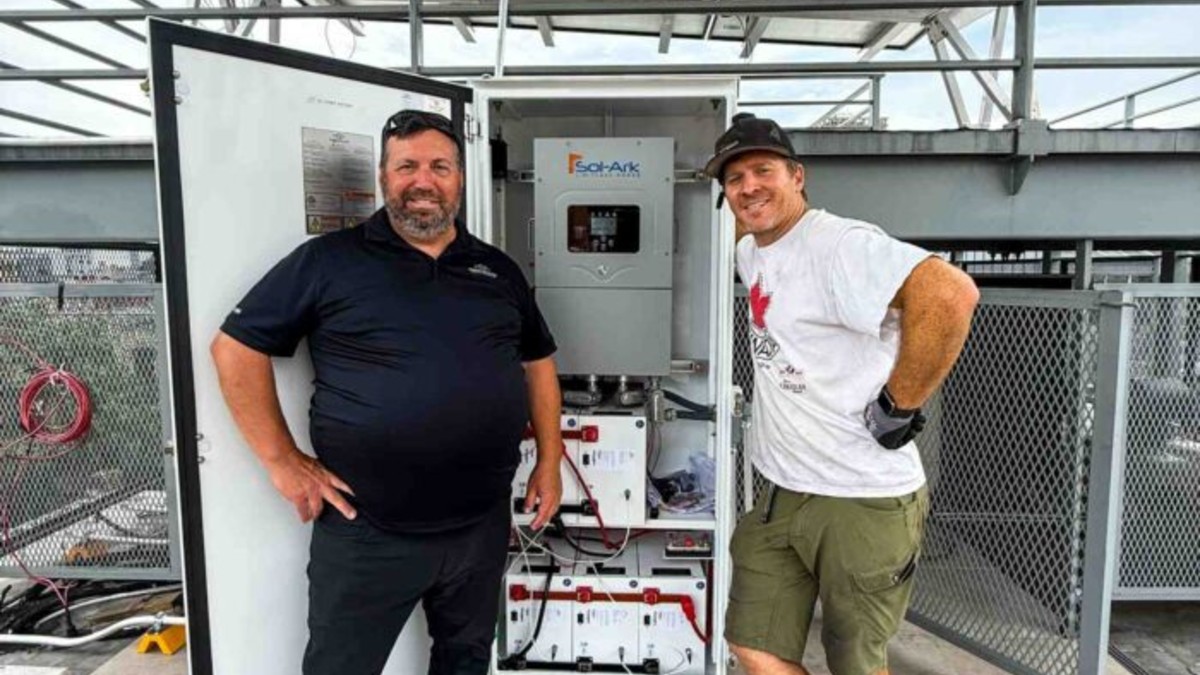
New York City has taken a major step towards embracing renewable energy with the installation of its first residential battery storage system. Brooklyn SolarWorks, a leading solar installer, has partnered with Briggs & Stratton to bring this innovative technology to the city's rooftops. The 19.6-kilowatt-hour residential battery energy storage system (BESS) is now live on a home in Chinatown, marking a significant milestone for the city's transition to cleaner energy sources.
This development comes as no surprise, given New York City's growing rooftop solar industry and its efforts to reduce greenhouse gas emissions. The addition of residential battery storage can help optimize energy production and consumption, making it an attractive solution for homeowners looking to reduce their carbon footprint.
The use of Briggs & Stratton's AccESS home battery storage platform is a significant factor in this project's success. This system has been permitted for rooftop installation within city limits, paving the way for other installers to follow suit.

, the approval and installation of residential battery storage systems can have a profound impact on energy demand management and grid resilience. As the demand for renewable energy continues to rise, cities like New York City are well-positioned to lead the way in adopting innovative technologies like this.
The partnership between Brooklyn SolarWorks and Briggs & Stratton has been instrumental in navigating the permitting process for residential energy storage in New York City. The two companies have spent nearly eight years working together to develop a clear path for approvals, creating a playbook for residential battery installations across the five boroughs.
New York's strict fire safety rules for battery systems have historically slowed adoption of this technology. However, this project demonstrates that residential storage can meet those standards, paving the way for wider adoption.
The successful installation of this system marks an important milestone in New York City's transition to a more sustainable energy future. As the city continues to grow and evolve, technologies like residential battery storage will play an increasingly critical role in managing energy demand and reducing greenhouse gas emissions.
By establishing a clear path for approvals, Brooklyn SolarWorks and Briggs & Stratton have effectively created a template for other installers to follow. This could lead to a surge in the adoption of residential battery storage systems across the five boroughs.
As energy demand rises and extreme weather events become more frequent, the need for innovative solutions like residential battery storage will only continue to grow. New York City's pioneering efforts in this area can serve as a model for other cities looking to adopt similar technologies.
The approval and installation of residential battery storage systems in densely populated cities like New York City can have a significant impact on energy demand management and grid resilience.