

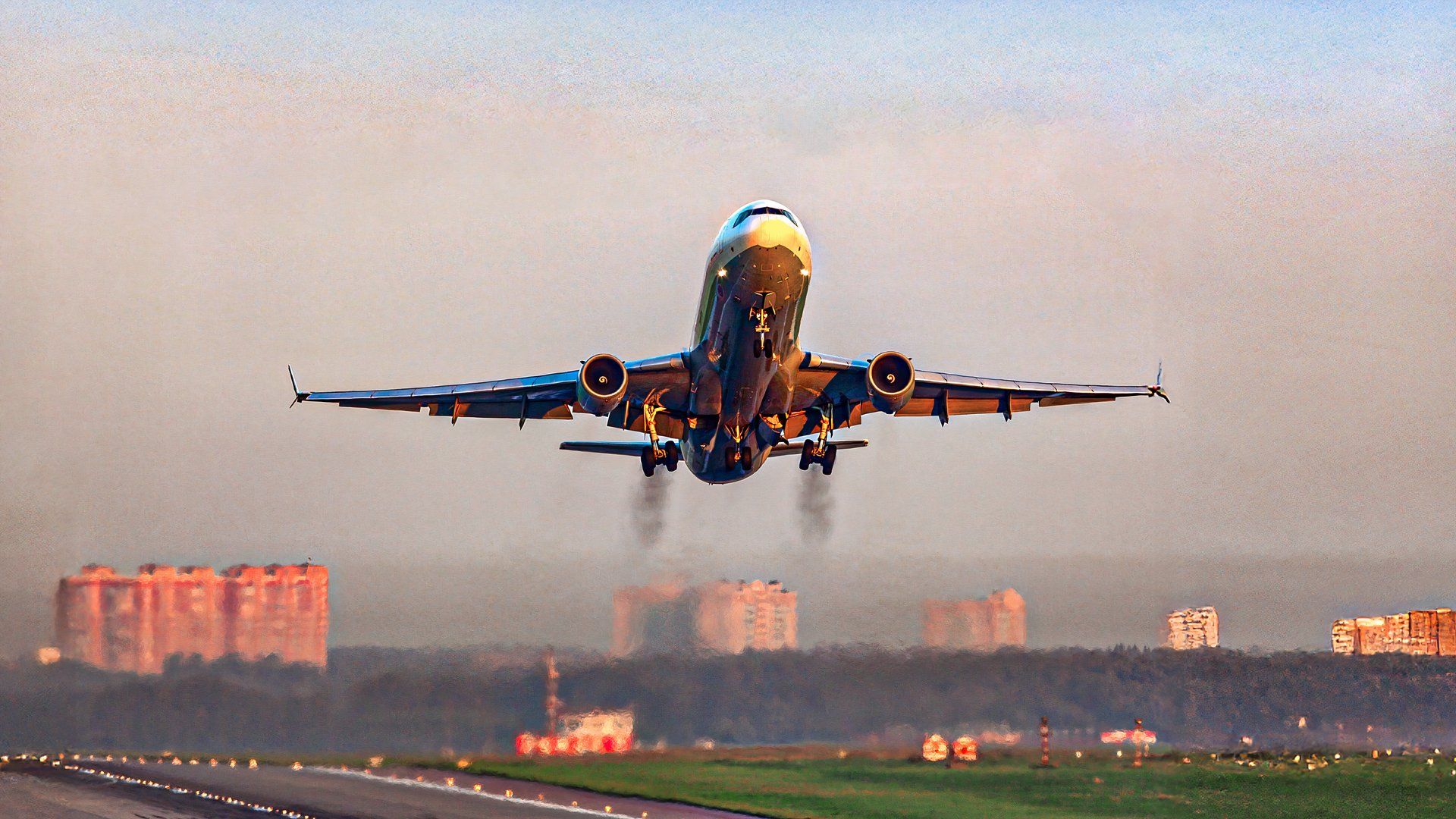
A smooth landing is crucial in aviation, but a timely go-around can be far more critical. The rejected landing, or go-around, is a standard maneuver that every pilot learns early in training and repeatedly practices throughout their career. This skill is essential for maintaining safety during approach and descent phases of flight.
While the maneuver may seem simple, a last-second rejected landing is far more nuanced than it appears. It demands situational awareness, precise aircraft handling, and coordination between both pilots and air traffic control to ensure a safe outcome. A pilot's ability to recognize potential issues early on can make all the difference in preventing accidents.
A common misconception outside the flight deck is that a go-around is a “non-normal” or emergency procedure. In reality, it’s a standard maneuver — every bit as routine as configuring the aircraft for landing. This misconception may arise from the fact that pilots need to be vigilant and prepared to respond to unexpected situations at any time.
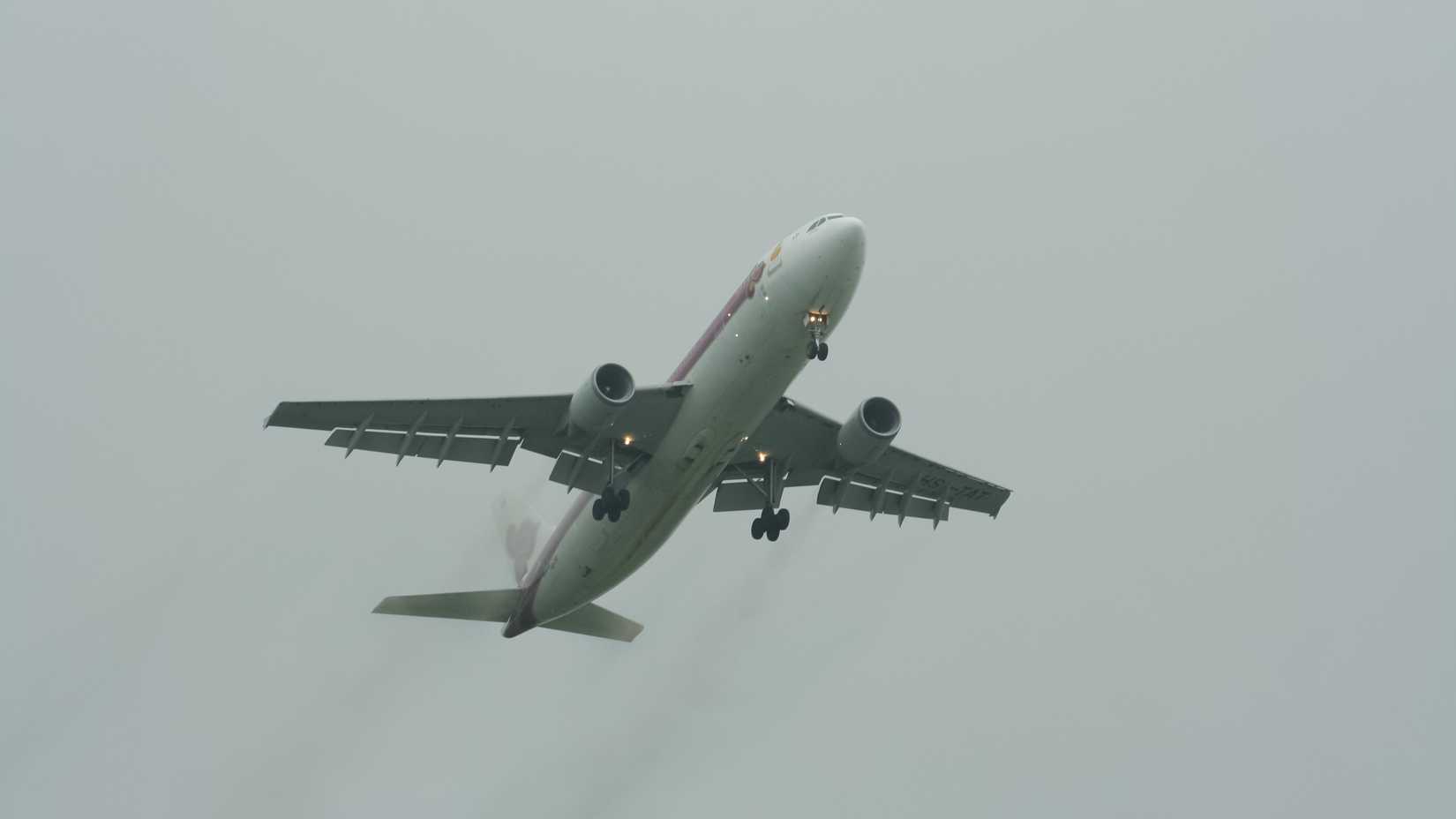
Go-arounds can occur in several forms, and the terminology used to describe them can vary depending on whether it comes from ICAO, the FAA, or the aircraft manufacturer. The key difference between a go-around and a rejected landing lies in when the maneuver is initiated: before contact with the runway (balked landing) or below low altitude (rejected landing).
The terminology surrounding go-arounds can be confusing, but understanding the differences is crucial for safe flight operations. Pilots must be aware of their aircraft's capabilities and limitations to execute a successful go-around.
In instrument approaches, there is a high likelihood that the appropriate action will be to execute the published missed approach procedure. A missed approach is performed when a landing cannot be completed during an instrument approach. This highlights the importance of following standard operating procedures and staying focused on the task at hand.

Go-around procedures may catch passengers by surprise, given that they do not happen frequently enough. However, pilots will typically inform passengers why they had to perform a go-around, which can be caused by various factors such as air traffic control instructions or unexpected weather conditions.
Regardless of the aircraft type, the reasons for a go-around are consistent across all flying: maintaining proper spacing at busy hubs and ensuring safe separation from other aircraft. This requires pilots to stay vigilant and adapt to changing situations on the ground.
The experience of going around during a flight can be intense, but it's essential to remain calm and composed. Pilots must trust their training and rely on established procedures to navigate unexpected situations.
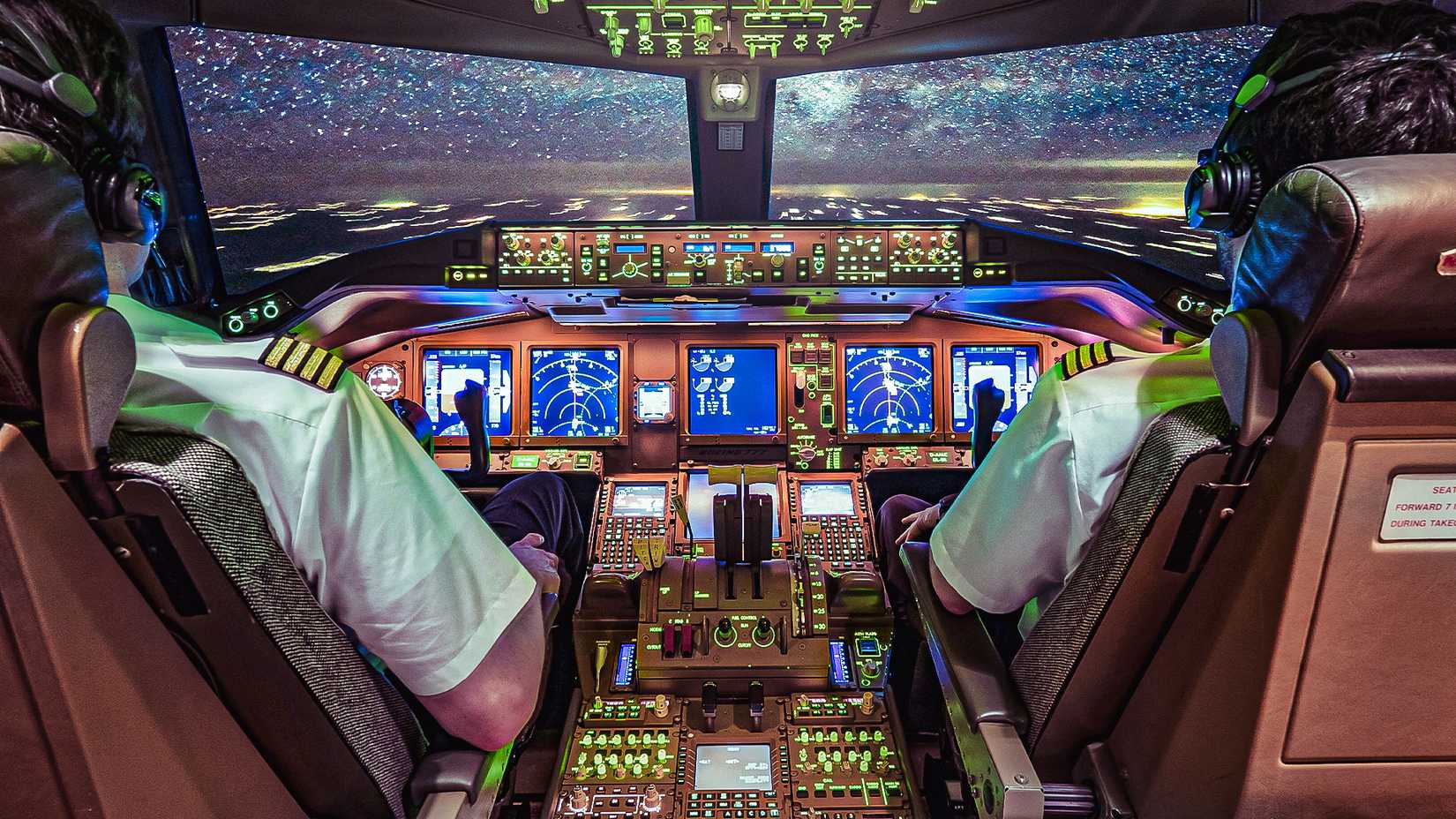
A go-around requires situational awareness, precise aircraft handling, and coordination between pilots and air traffic control to ensure a safe outcome.