

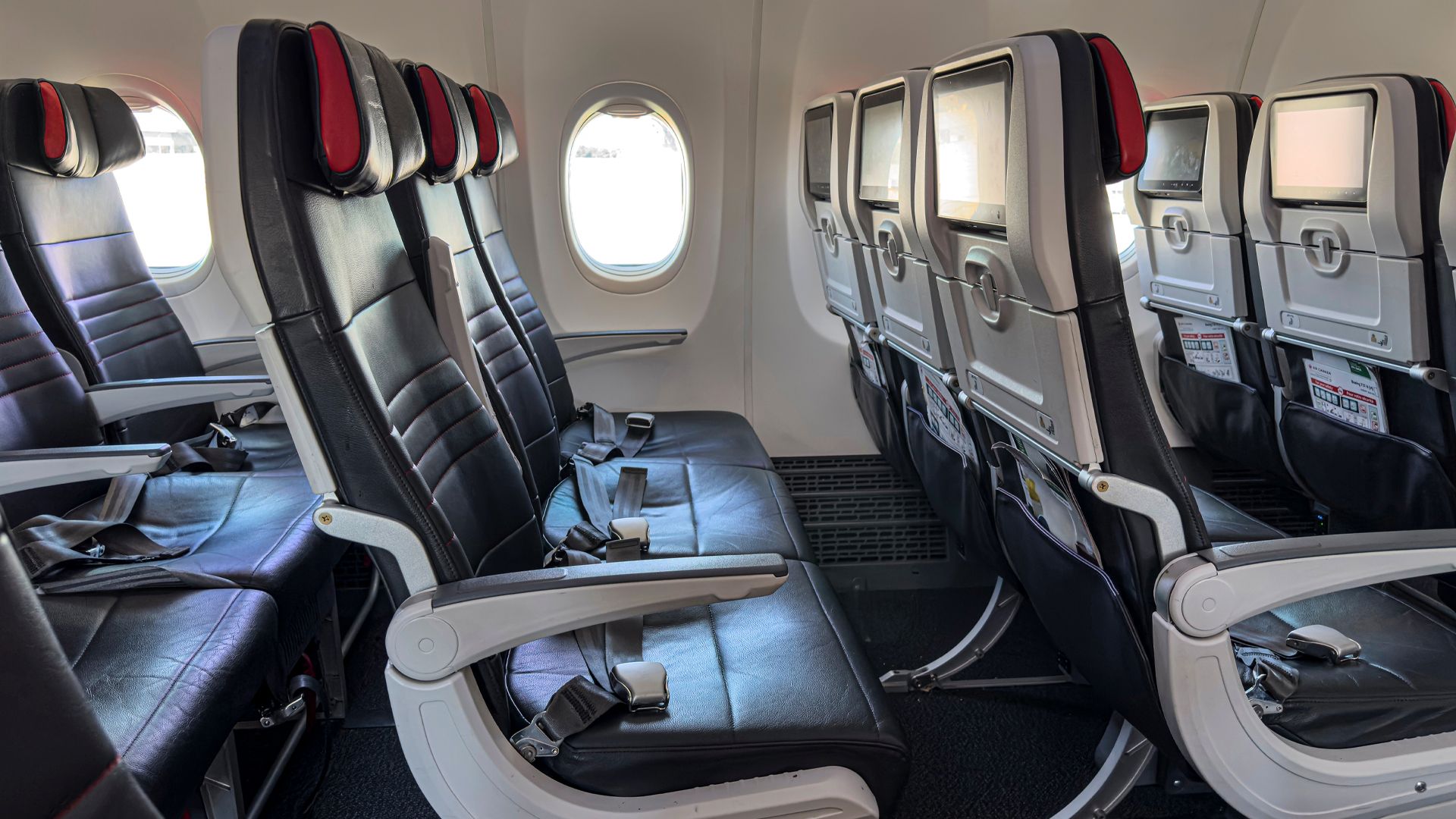
Airlines operate on thin profit margins, making it unprofitable to fly an empty aircraft. However, these flights do occur, leaving passengers wondering what happens when a flight is completely empty. The reason behind this unusual occurrence lies in the airline's overall strategy and operational needs. By analyzing a typical flight from San Francisco to Los Angeles, we can understand why airlines would still operate an empty flight even at a loss or profit.
In such cases, the outgoing flight might have only a handful of passengers, while the return flight is fully booked. Canceling the outgoing flight would disrupt the airline's schedule and cause further problems for the crew and aircraft. Similarly, if the aircraft was heading to Seattle, canceling the flight would lead to more scheduling issues and impact the crew's repositioning.
Passengers often assume that an empty seat map means the flight is canceled, but this is not always the case. Airlines assign seats in advance, and some passengers don't book their seats, leading to a misleading representation of the flight's occupancy. It's essential for passengers to be aware that an almost-empty flight does not necessarily mean it will be canceled.
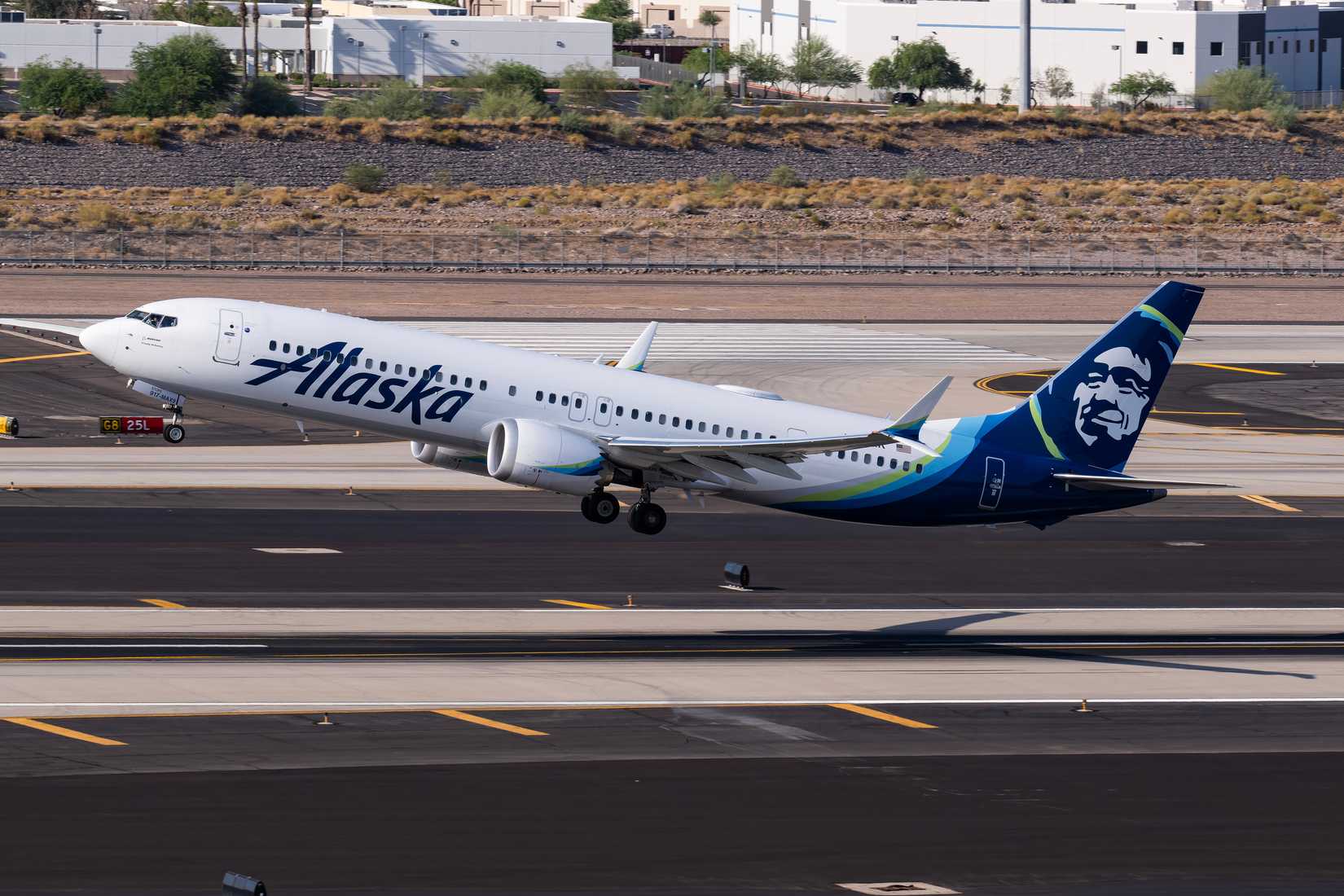
There are operational reasons why airlines might fly aircraft empty. These include pilot training, maintenance, testing, and delivering new aircraft to base. During the pandemic, flight crews continued to fly to maintain their certifications, highlighting the importance of these flights in ensuring airline operations run smoothly.
Aircraft may also be flown empty for operational purposes, such as repositioning or collecting passengers from another airport. In some cases, airlines might send a spare aircraft and crew to collect passengers, while others might dispatch maintenance crews and spare parts to fix the aircraft before returning it to service.
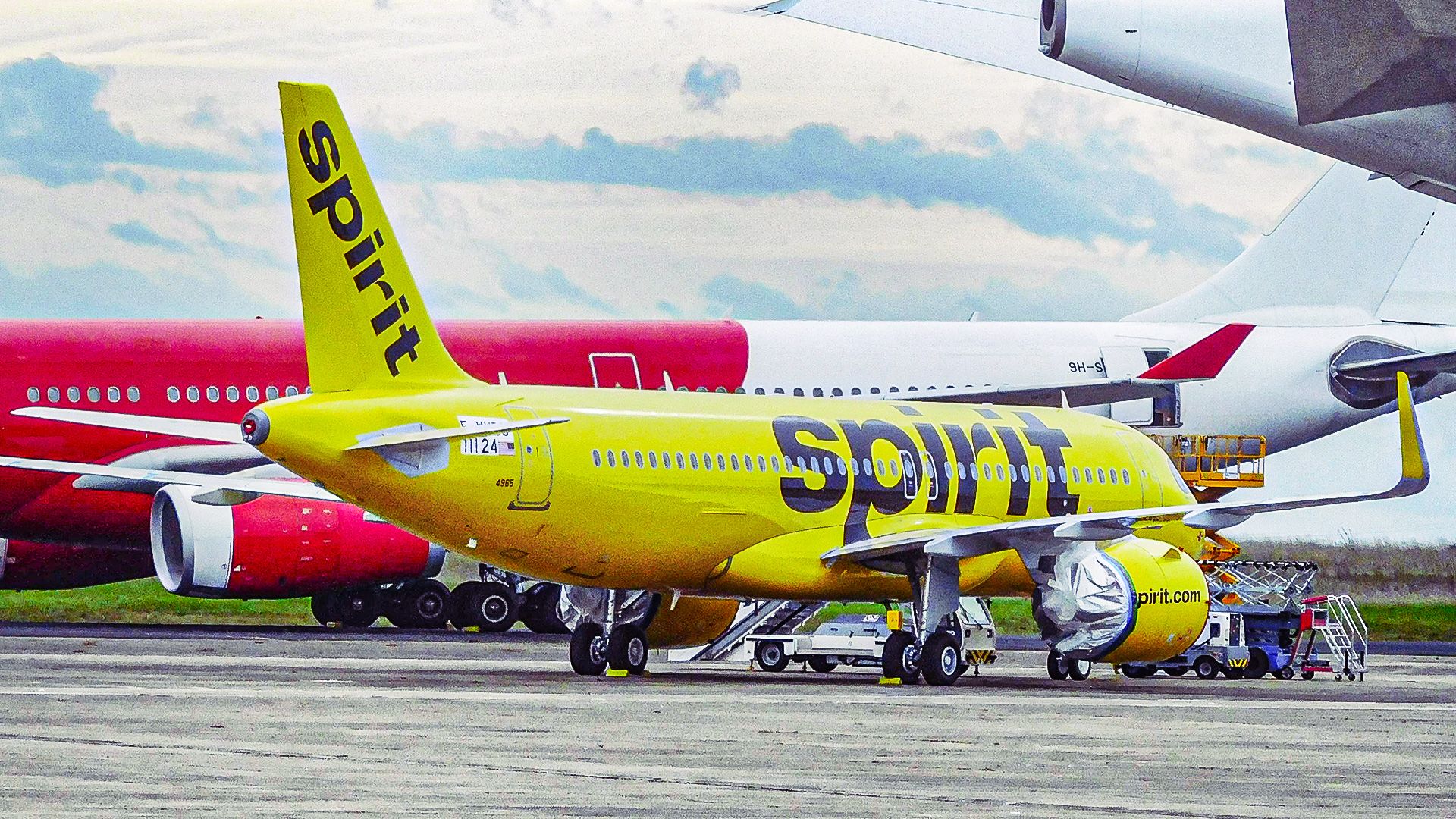
When an airline receives a new aircraft type, it must ensure that all necessary systems are functioning correctly. Flights can be used to test and validate the aircraft's performance, helping the airline to identify any issues before it enters commercial service.
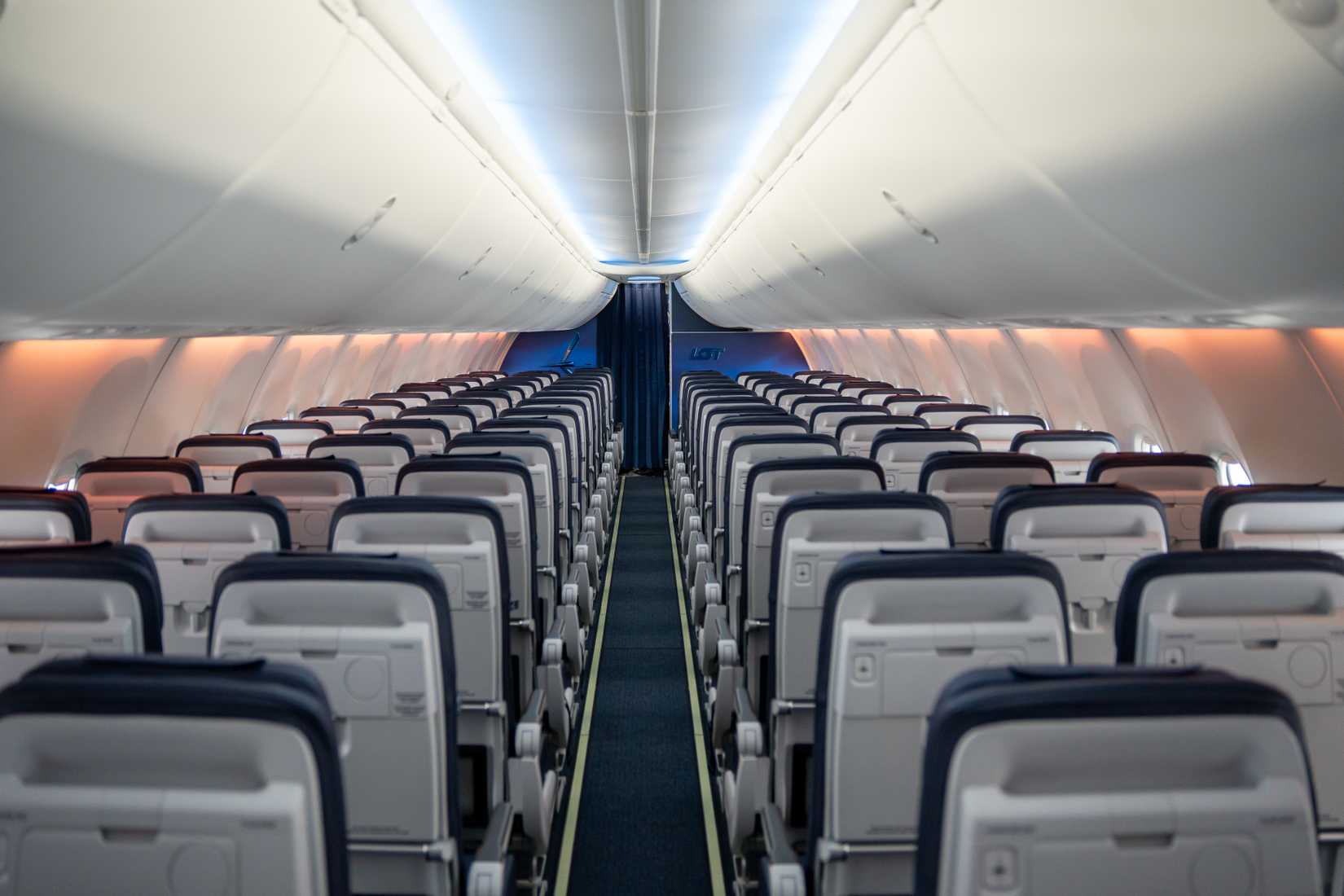
The empty flight phenomenon is a result of airlines' complex scheduling and crew management processes. By understanding these operational needs, passengers can better appreciate the intricacies involved in running an airline.
While flying an empty aircraft may seem unprofitable, it's essential for maintaining the airline's overall efficiency and ensuring that all necessary systems are in place. These flights play a crucial role in supporting the airline's operations and providing a safe and reliable service to passengers.
In conclusion, the next time you see a flight with an almost-empty seat map, remember that there may be more to it than meets the eye. Airlines operate on thin profit margins, but they must balance this with operational needs and scheduling complexities to ensure their continued success in providing air travel services.

As airlines continue to evolve and adapt to changing market conditions, it's essential for passengers to understand the intricacies of airline operations. By doing so, we can appreciate the hard work and dedication that goes into ensuring safe and reliable air travel.
Airline operations involve complex scheduling and crew management.