The design of aircraft engines has evolved dramatically and continues to advance. The development of the jet engine has driven global connectivity, breaking down geographical barriers and supporting economic growth. However, aircraft noise has remained a persistent challenge, particularly as urban development has expanded around Airports. This has pushed manufacturers to develop quieter technologies.
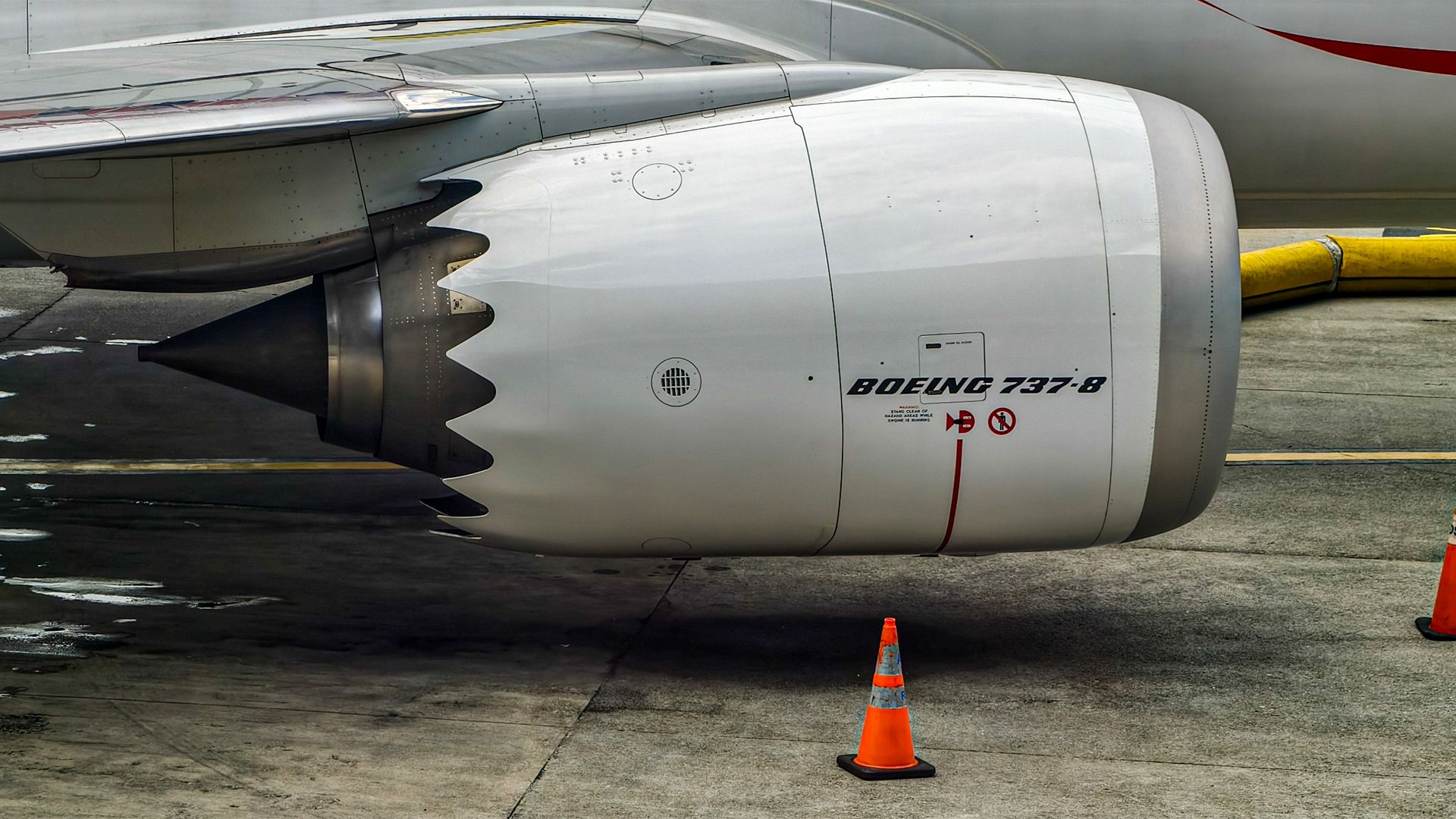
One of the most notable solutions is the use of engine chevrons, introduced in the 1990s, which reduce noise but introduce performance trade-offs. The origins of modern aircraft noise-reduction strategies can be traced back to the early 1950s, when commercial aviation rapidly expanded after the Second World War.
The foundational work on what would later become chevrons was carried out by Geoffrey Lilley and Robert Westley at the College of Aeronautics (now Cranfield University). Their research was among the first to systematically investigate aircraft noise reduction. They found that using small serrated 'teeth,' with half angled inward at 30° and the rest aligned with the axis, reduced noise by about five dB below choking and up to 12 dB above choking.
Choking refers to the aerodynamic condition where airflow in a nozzle reaches sonic velocity (Mach 1) at the exit. This phenomenon is critical in understanding how chevrons work and their impact on aircraft performance. The development of chevrons marked a significant shift in aircraft noise reduction, but it also raised concerns about performance trade-offs.
The Supersonic Transport Program, launched in the 1960s, aimed to develop a commercial supersonic airliner capable of competing with the Anglo-French Concorde. However, growing environmental awareness and public concern over noise and pollution contributed to the program's cancellation in 1971. This setback led to a broader industry shift toward quieter aviation.
The focus on quieter aviation continued into the late 20th century. In 1988, Boeing was contracted by NASA under the High Speed Civil Transport (HSCT) program, which focused on developing noise-reducing technologies for future high-speed aircraft. The introduction of engine chevrons in the 1990s marked a significant milestone in this effort.
While tabs were effective at enhancing mixing, they caused significant thrust loss. This highlights the ongoing challenge of finding a balance between reducing noise and maintaining performance in aircraft design.
By the early 2000s, these efforts culminated in the Boeing Quiet Technology Demonstrator (QTD) program. Launched in 2001 in collaboration with NASA, GE Aerospace, and other industry partners, the program tested advanced concepts such as improved nacelle designs, acoustic liners, and chevron exhaust nozzles.
The development of engine chevrons has had a lasting impact on aircraft noise reduction, but it also raises questions about their long-term performance implications. As manufacturers continue to push the boundaries of quieter aviation, they must carefully consider these trade-offs.
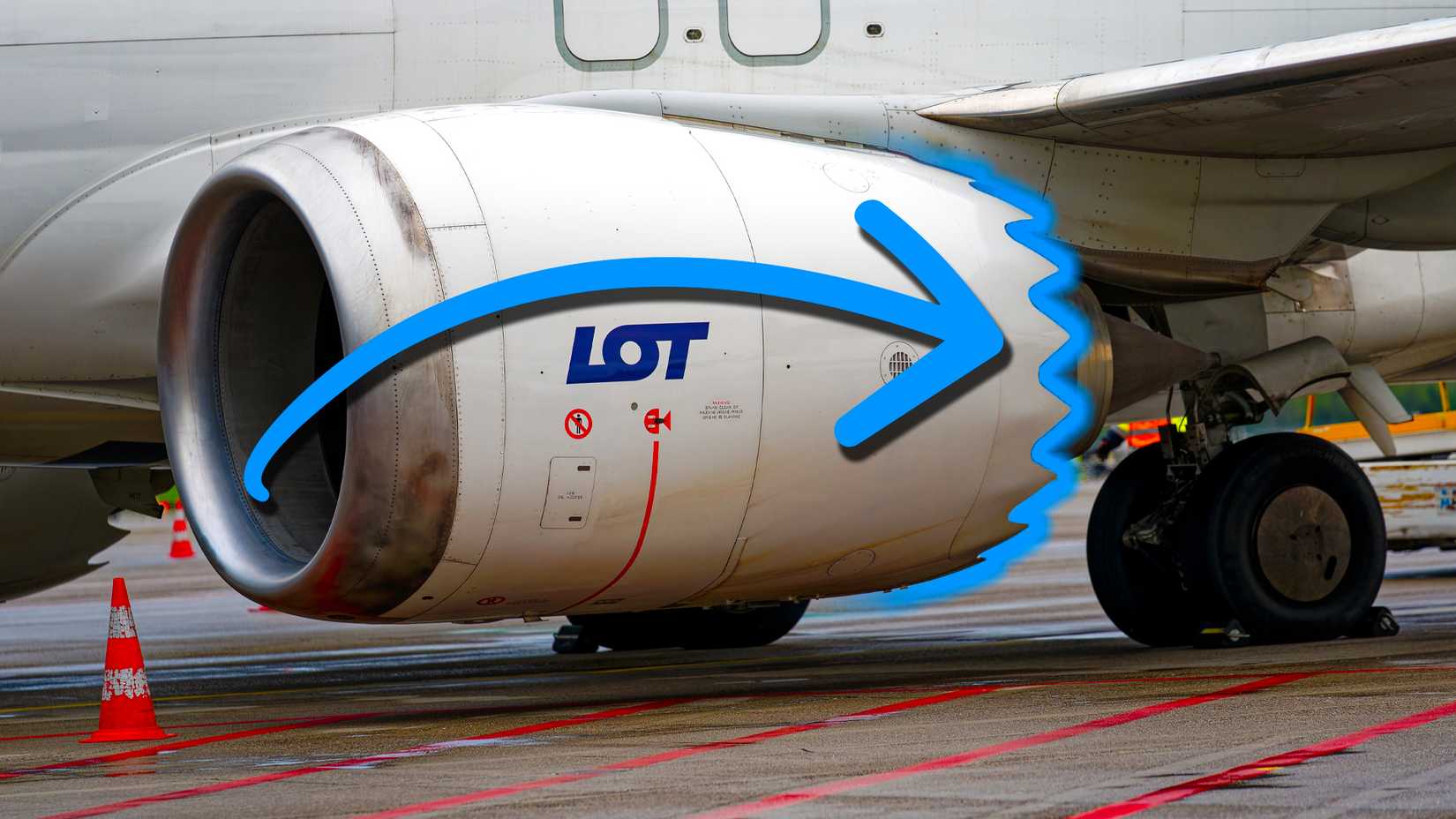
Engine chevrons have become a standard solution for reducing aircraft noise, but their impact on performance cannot be ignored.