


Airline profitability is often viewed as a complex issue from the outside, with various factors such as fuel prices, labor costs, and demand affecting the bottom line. Despite these complexities, there is one simple operating metric that helps explain whether an airline is making money on its routes. This metric is based on the gap between revenue per available seat mile (RASM) and cost per available seat mile (CASM). The spread between RASM and CASM is often referred to as the unit margin, providing a clear window into an airline's operating economics.
This metric is widely used by industry analysts to estimate operating margins. If RASM consistently exceeds CASM, an airline has room to earn profits, absorb shocks, and invest in further growth. However, if the gap narrows or turns negative, even a carrier with full aircraft on most days can quickly run into financial trouble. The airline's ability to maintain a positive unit margin is crucial in a sector defined by razor-thin profit margins.
The RASM-CASM gap matters so much to carriers because it reveals the underlying economics of their business model. Airlines are not just about filling seats, but rather earning enough from each unit of capacity to cover their overall cost base. In an industry where success is often measured by thin profit margins, this single spread can provide valuable insights into a carrier's financial health.

International airlines face unique challenges due to their enormous scale and extremely thin margins. They sell a perishable product that loses value once it departs, creating pressure to match capacity with demand and price tickets carefully. Airlines also have high fixed and semi-fixed costs, including aircraft ownership, labor, maintenance, airport fees, and fuel, which makes profitability dependent on spreading these costs over numerous flights.
The operational complexity of international airlines is another key factor in their business model. They are operationally complex and integrated network businesses, with delays in one city affecting crews, aircraft rotations, and passenger connections elsewhere. This creates a ripple effect that can impact the entire system.
Airlines must balance commercial goals with safety, regulatory compliance, and customer service, all while being exposed to external shocks such as recessions, geopolitical disruptions, and weather. This delicate balancing act makes it challenging for carriers to maintain profitability.
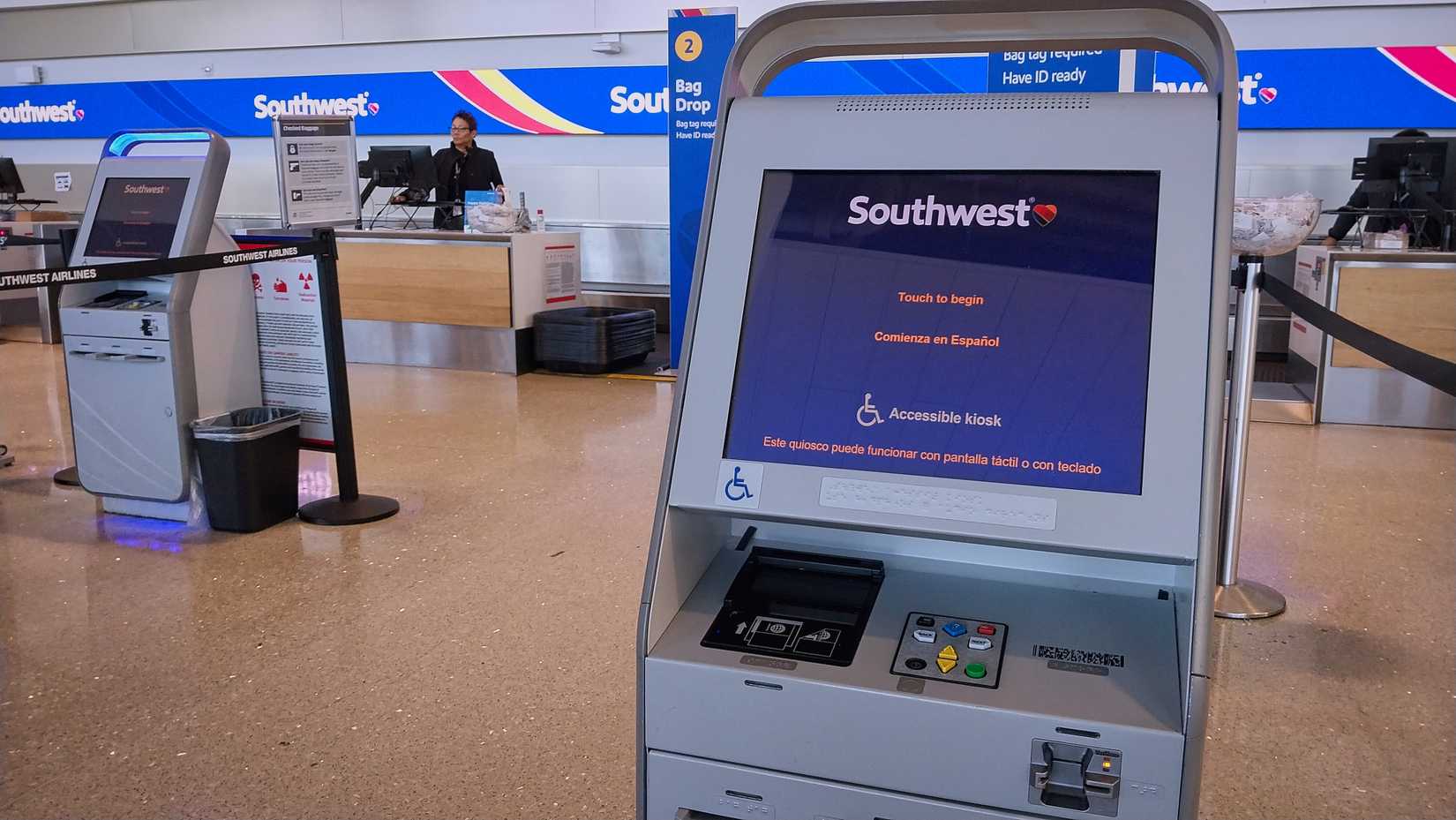
Different airline business models approach their diverse set of challenges in unique ways. Low-cost carriers focus on simplicity, aircraft utilization, and cost discipline, while network airlines rely more on hubs, premium passengers, and a diversified route network.
The RASM-CASM gap is an essential metric for understanding the financial performance of international airlines. By analyzing this spread, industry analysts can gain insights into a carrier's ability to earn profits and absorb shocks. This metric provides a valuable tool for carriers to evaluate their business model and make data-driven decisions about pricing, capacity, and investment.
The airline industry's complex operating environment makes it challenging to estimate profitability. However, a single metric can provide valuable insights into an airline's financial health.