

The US Congress's decision to rescind the $7,500 federal EV tax credit had a significant impact on the initial sales of electric vehicles. However, the ongoing conflict with Iran has reignited demand for EVs, making these innovative battery designs particularly timely. The EV sector is experiencing a surge in interest due to the advancements in battery technology. As a result, consumers are becoming more aware of the benefits of electric vehicles.
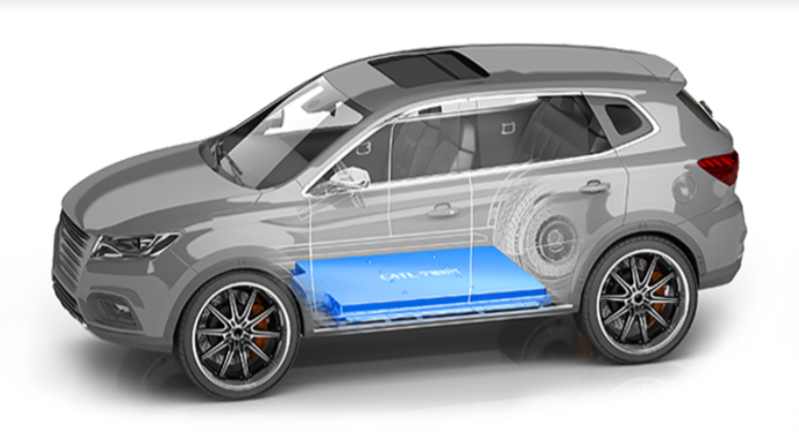
The Chinese automaker BYD is rapidly innovating in the EV battery sector, including an early adoption of new cell-to-body EV battery architecture that saves on weight and cost while improving performance. This design allows cells to be integrated into the chassis without the need for traditional pack structures. The concept of cell-to-body refers to the integration of structural elements of EV battery cells directly into the car's body. Volvo is among the early adopters of this innovative technology.
The plummeting prices of batteries are expected to push battery electric vehicles (BEVs) below parity with internal combustion engine vehicles in two to four years in Europe. In China, it may happen even sooner due to the significant drop in battery prices anticipated over the next five years. According to forecasts, battery prices will decrease by as much as 70% in the coming years. Automakers such as CATL, BYD, Volkswagen Group, and IEA have been reporting these expectations in their press releases and reports.
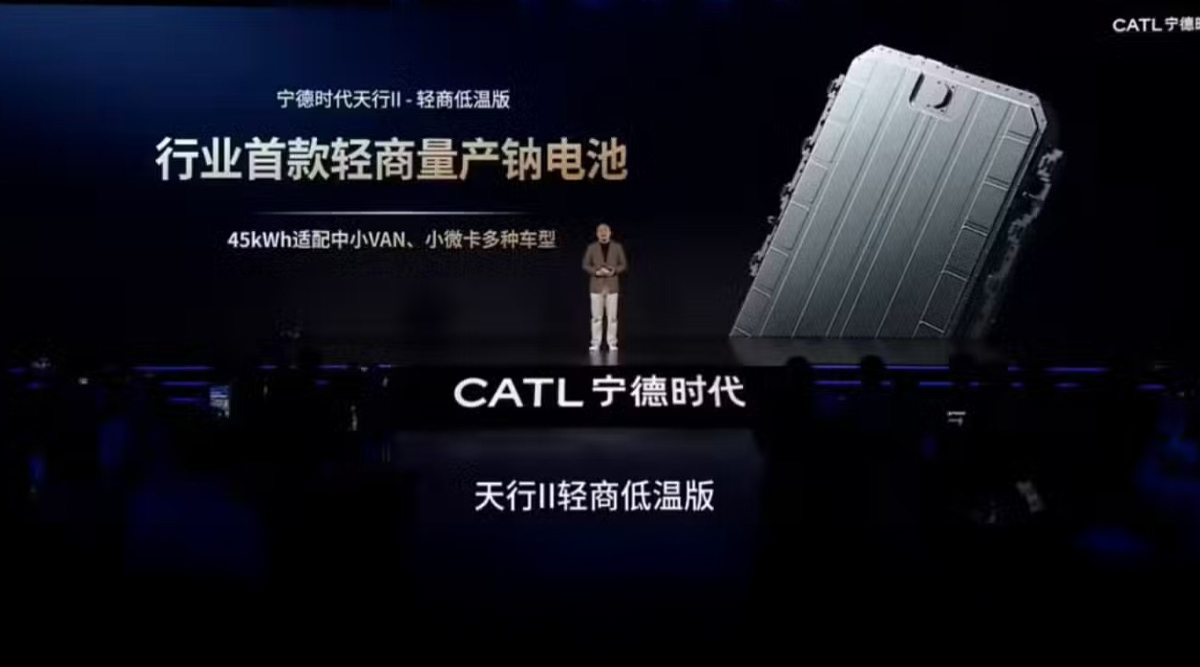
The shift from traditional lithium-ion batteries to LFP (lithium-iron-phosphate) is underway among automakers. This new formula avoids the supply chain complexities posed by cobalt and other Li-ion battery inputs. LFP batteries also possess several additional advantages, including longer lifespan and faster charging capabilities. The latest sodium batteries developed by CATL and BYD can withstand cold temperatures that often plague LFP batteries.
The automotive industry is witnessing a significant transformation with the adoption of massless EV batteries. Researchers at Chalmers University in Sweden have been working on this innovation, which utilizes carbon fiber as the key ingredient. This lightweight material is commonly used in auto body parts and has been combined with different materials to explore their interactions.
Solid-state EV batteries are gaining attention from the automotive industry due to their potential to replace traditional lithium-ion batteries. These batteries do not have a liquid electrolyte, instead employing an electrolyte made of high-tech ceramics or other solid materials. Scaling up this technology for use in EVs has posed a considerable R&D challenge.
The Massachusetts-based startup is attracting attention from the auto industry with its innovative approach to solid-state EV batteries. The company's focus on developing this technology is crucial for the widespread adoption of electric vehicles. As the demand for EVs continues to grow, it is essential that innovators like this startup push the boundaries of battery technology.
The recent advancements in EV battery technology are poised to revolutionize the automotive industry. With prices expected to drop significantly and innovations like cell-to-body architecture and LFP batteries becoming more prevalent, electric vehicles are becoming increasingly appealing to consumers. As a result, automakers will need to adapt their strategies to meet the growing demand for sustainable transportation.
The future of electric vehicle batteries looks promising, with several innovative designs on the horizon. From massless EV batteries utilizing carbon fiber to solid-state batteries employing high-tech ceramics, these advancements are set to transform the industry. As consumers become more aware of the benefits of electric vehicles, it is essential that innovators continue to push the boundaries of battery technology.
Advances in EV battery technology are crucial for widespread adoption, and recent innovations are making electric vehicles more appealing to consumers.