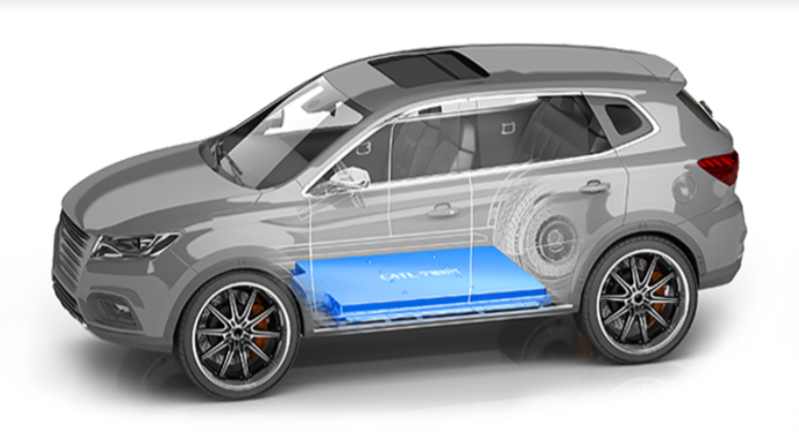
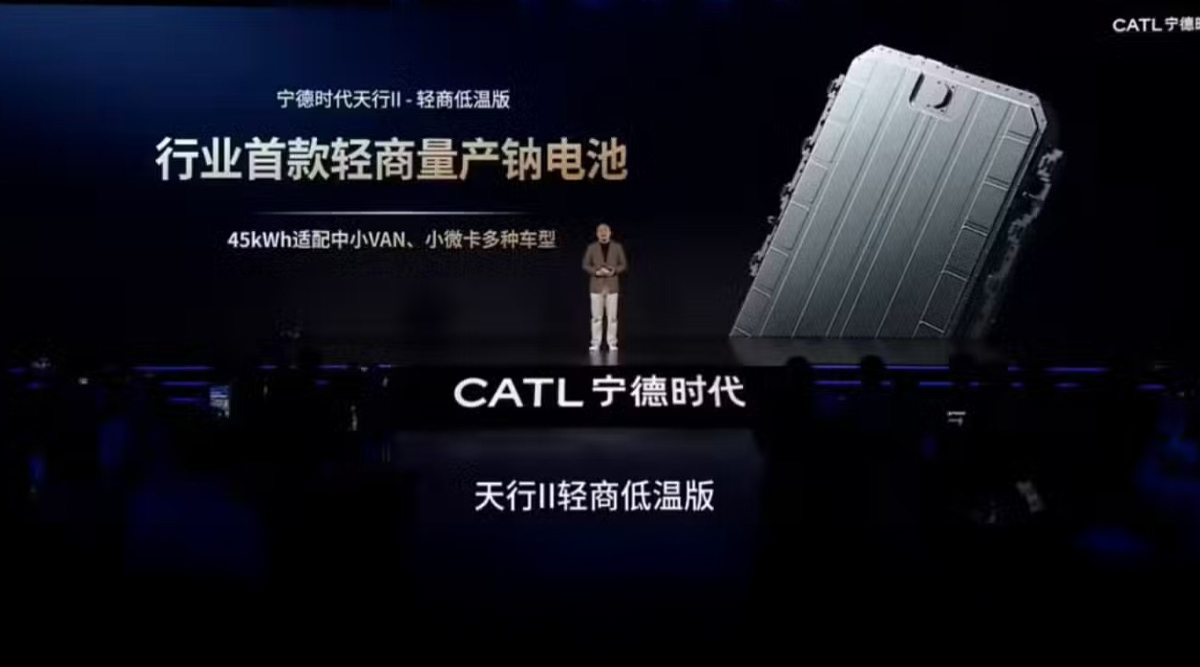
The world's largest EV battery producer, CATL, has solidified its position as a dominant force in the industry, with around a third of the world's new EVs relying on its batteries last year. This dominance is not only due to China's massive scale but also its ability to perfect and refine technologies like lithium-iron-phosphate (LFP) batteries.
Robin Zeng, founder of CATL, believes that the US market is unlikely to thrive without his company's involvement, citing the fact that around 30% of new EVs globally now use CATL batteries. This has raised concerns about the potential for a global laggard if the US imposes protectionist measures.
However, Zeng remains optimistic about the future, stating that once US policies change, the market will boom as it is the trend. He acknowledges that technology will continue to advance and become more popular, but notes that cheaper CATL batteries may not be as effective in blocking adoption.

The shift towards electric vehicles has already led some major automakers to turn to CATL for battery solutions. Ford recently dropped its partnership with South Korea's SK Group to focus on building CATL-designed LFP batteries at a new plant in Michigan, paying royalties to the Chinese company.
This move highlights the growing willingness of US automakers to work with Chinese companies despite protectionist efforts. General Motors is also using CATL-sourced LFP batteries in its 2027 Chevrolet Bolt, but imports them from China under a temporary arrangement to maintain low costs.
The scale of the Chinese EV market has enabled the development and maturation of supply chains and ecosystems, leading to significant cost reductions. This is not possible in the US market, which accounts for only half of the world's EV sales.
As a result, GM's decision to import China-made batteries while paying a 60% tariff highlights its inability to produce cheaper batteries domestically. The idle status of its two billion-dollar US battery plants further underscores this point.
The dominance of Chinese battery producers in the global market is likely to continue, with CATL and BYD holding significant shares. This could lead to a shift in the industry's dynamics, with US automakers facing increased competition from their Chinese counterparts.
Ultimately, the future of the US auto industry will depend on its ability to adapt to changing technologies and market trends. With the global shift towards electric vehicles accelerating, it is essential for US companies to find ways to compete with their international peers.
The shift towards electric vehicles is accelerating globally, and China's battery producers are at the forefront of this trend.