

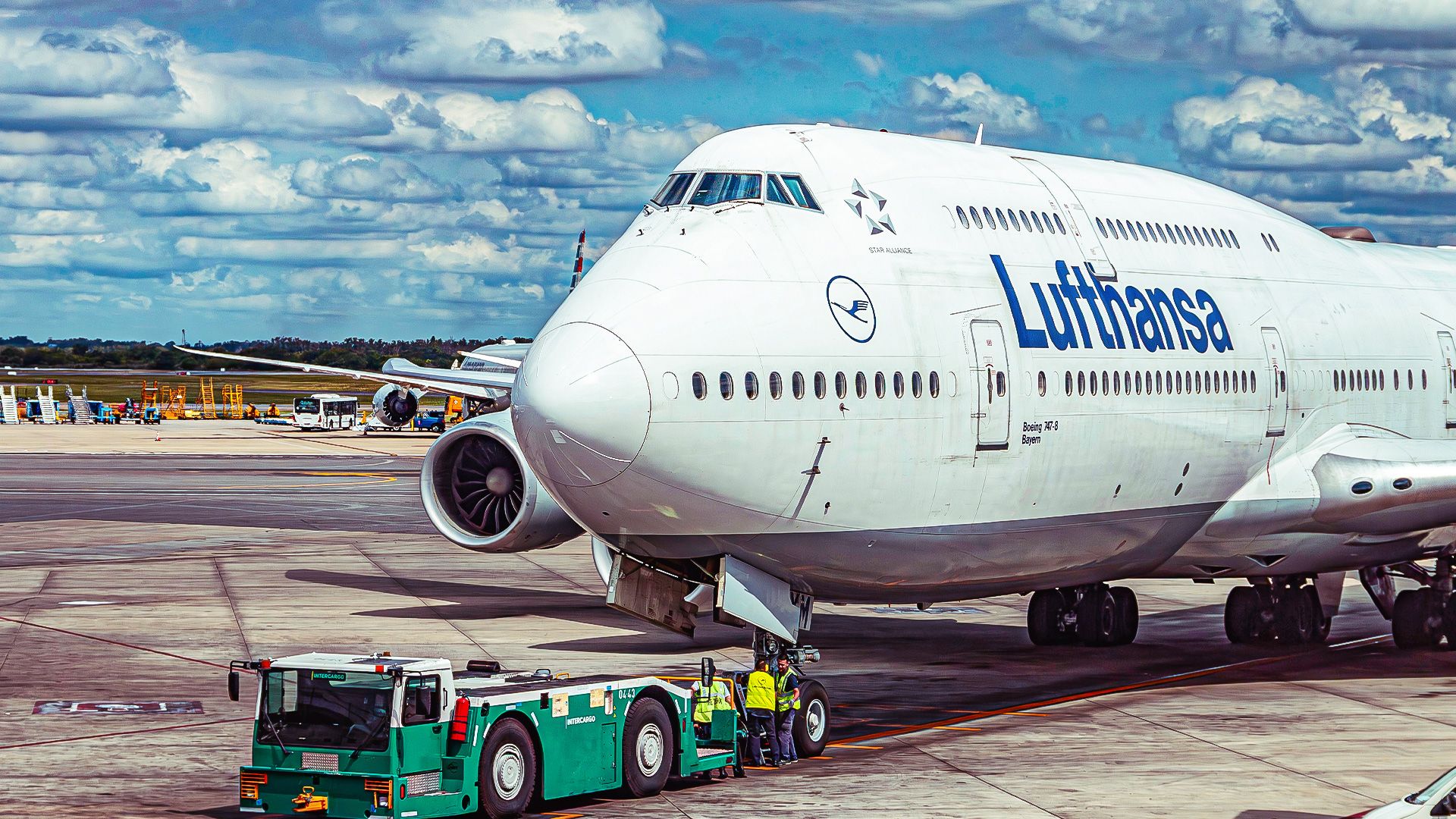
The Boeing 747 is one of the world's most iconic planes, with its distinctive frontal hump that often contains a luxurious lounge or extra seating in passenger variants. Despite being delivered since January 1970, the 747-8, the latest passenger variant, recently ceased production in January 2023. This raises questions about why the 747 has only a partial upper deck, rather than a full second level like its larger rival, the Airbus A380.
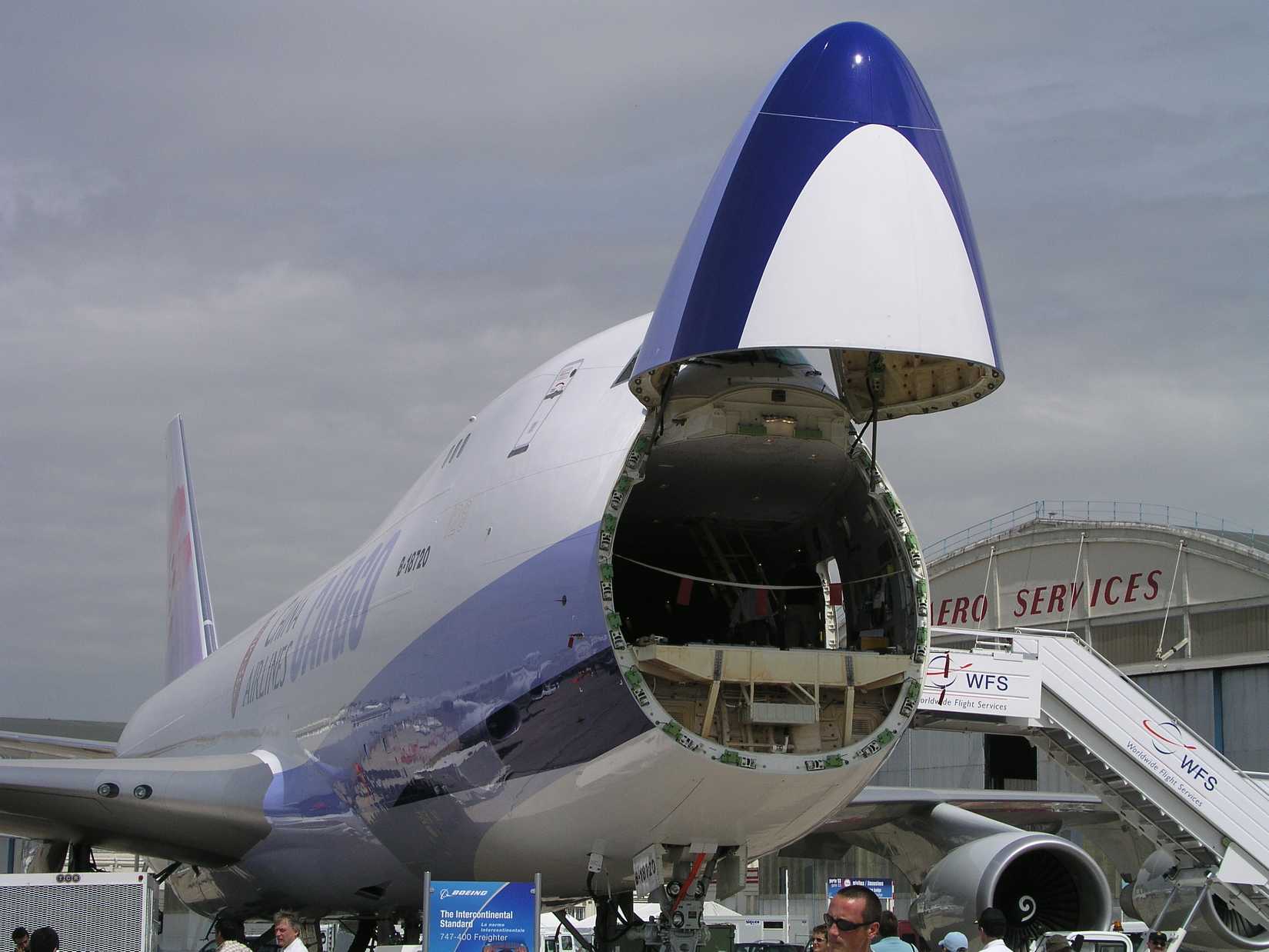
The reason for the 747's partial upper deck lies in its original purpose as a freighter, rather than a passenger jet. The great oil crisis of 1973 led airlines to increase passenger numbers to boost revenue. As a result, the first 747s had limited windows, and the cockpit was located above the nose of the plane, typical of freighters.
Studies for supersonic Concorde began in 1954, but Boeing proposed the CX-HLS as a military freighter instead, which ultimately won the contract over Lockheed's C-5 Galaxy. However, this led to the development of the passenger variant, which was inspired by the CX-HLS mock-ups.
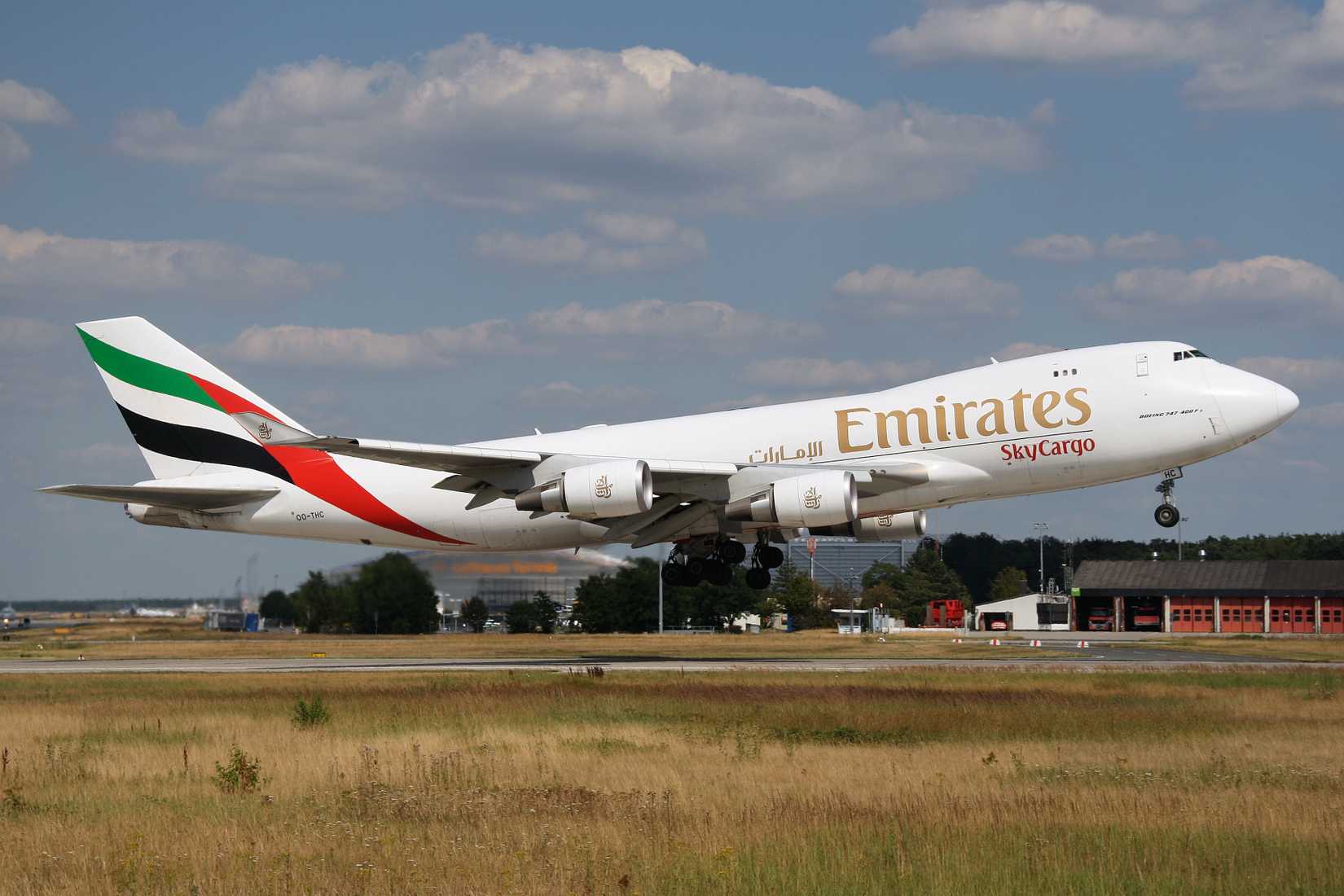
Pan Am approached Boeing in 1958 for a passenger jet more than twice the size of the 707, hoping to reduce its fleet seat cost by 30%. The resulting design, the 747-100, took inspiration from the CX-HLS, but was intentionally designed as a passenger aircraft. This is evident in the wing configuration, engine placement, and nose configuration.
The original 747-100 had only three windows per side, with the intention of using the shortened upper deck as a lounge area for crew members. However, airlines later began to use the upper deck for premium passenger seating, and Boeing offered an option for ten windows on either side.
Despite sharing design elements with the CX-HLS, the 747 was designed with a distinct passenger-focused approach. This is reflected in the wing-to-body configuration, which optimized performance for passenger comfort.
The Boeing 747-100 and 747-8 specifications demonstrate the evolution of the aircraft's design over time. The range has increased significantly, from 4,620 nautical miles to 7,730 nautical miles, while cruise speed has also improved.
In conclusion, the partial upper deck of the Boeing 747 is a result of its original purpose as a freighter and the subsequent evolution into a passenger aircraft. This design choice has had a lasting impact on the industry, influencing the development of future commercial airliners.
The design of the 747 was influenced by its original purpose as a freighter, and the partial upper deck was likely intended to serve as additional seating for crew members.