

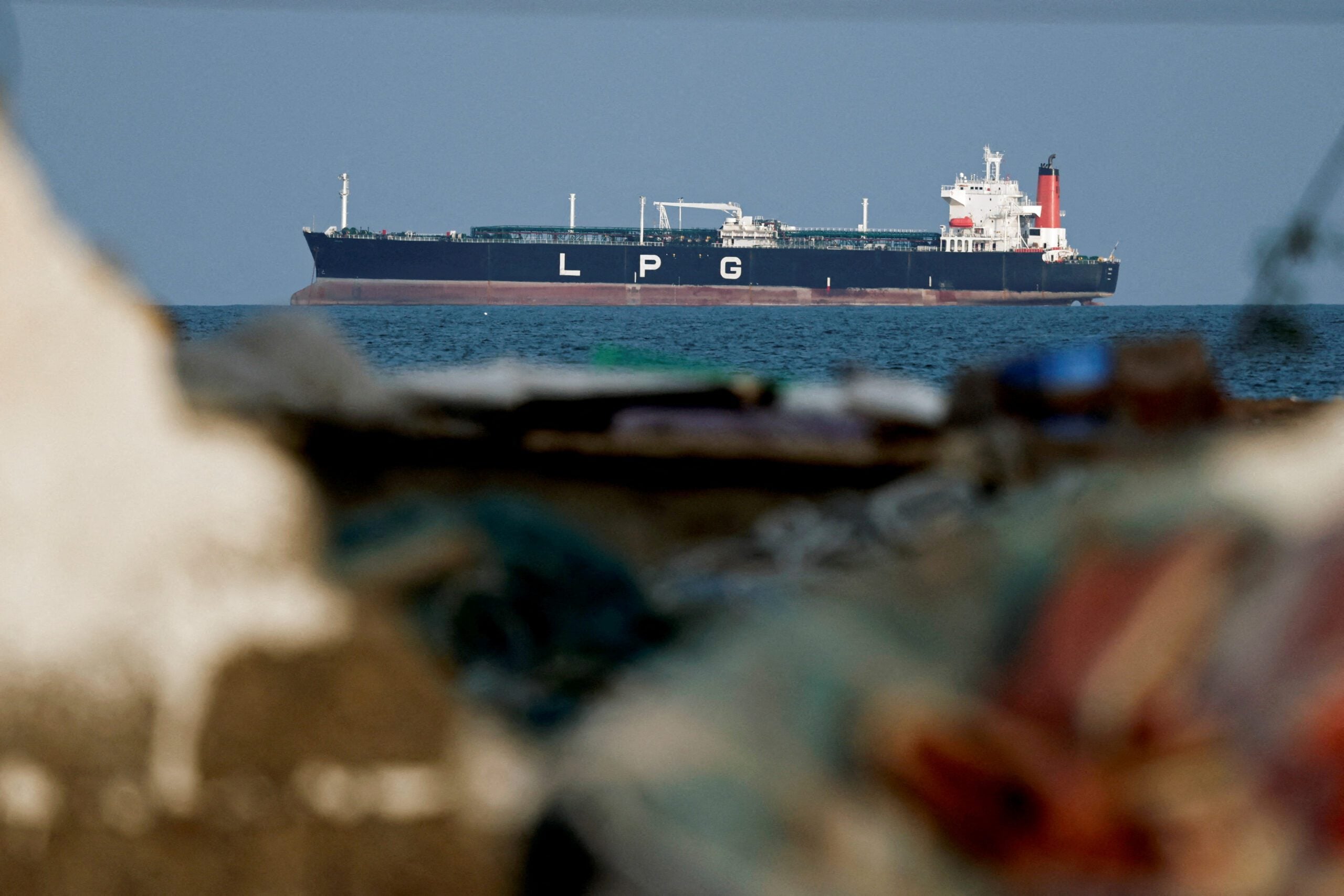

Hawaii's transition to liquefied natural gas (LNG) was initially touted as a practical solution to the state's high electricity prices, aging oil-fired generation, and isolated island grids. The transition was framed as a way to reduce costs and emissions while maintaining reliability. However, a closer examination of the data reveals that LNG may not be the panacea it once seemed.
A study by the Hawaii State Energy Office (HSEO) in January 2025 found that an interim transition to LNG could reduce costs and emissions, with a net present value of about $150 million and levelized savings of $10.2/MWh. This was built upon by Governor Green's office and JERA, who proposed a $2 billion investment for a 500 MW gas-fired plant and offshore LNG import infrastructure.
However, the real question Hawaii needs answered now is whether LNG remains a prudent option after the energy shocks of 2022 and 2026. The study's methodology was scrutinized, and the JERA proposal was reevaluated as a deliverable project rather than a concept. This has led to concerns that the benefits of LNG may be overstated.
The biggest analytical problem with HSEO's study is that it was not built for crisis-era fuel economics. The sensitivity analyses changed one variable at a time while all others remained constant, ignoring the fact that several variables would likely change simultaneously in practice.
This is particularly concerning given the historical correlation between LSFO and LNG prices. By excluding fuel-price volatility from its model, HSEO may have underestimated the impact of price shocks on the viability of LNG imports.
The International Energy Agency has provided a useful historical anchor for this issue. Since 1973, there have been 13 episodes of sharp or sustained oil price increases, with the frequency of these events rising slightly since 2000.
This trend suggests that fuel shocks are becoming more frequent and unpredictable, making it increasingly difficult to rely on LNG as a stable energy source. As such, Hawaii must carefully consider its energy options and prioritize resilience over short-term cost savings.
The increasing frequency of oil price shocks highlights the need for a more nuanced approach to energy planning. This may involve diversifying energy sources, investing in renewable energy, and developing strategies to mitigate the impact of price volatility.
Ultimately, Hawaii's energy future will depend on its ability to adapt to changing market conditions and prioritize long-term sustainability over short-term gains. As the state navigates this complex issue, it is essential to consider a range of options and prioritize resilience over LNG's promise.
By taking a more holistic approach to energy planning, Hawaii can ensure that its energy future is secure, sustainable, and resilient in the face of an increasingly volatile global energy market.
The increasing frequency of oil price shocks and their impact on fuel economics render LNG a less secure option for Hawaii.