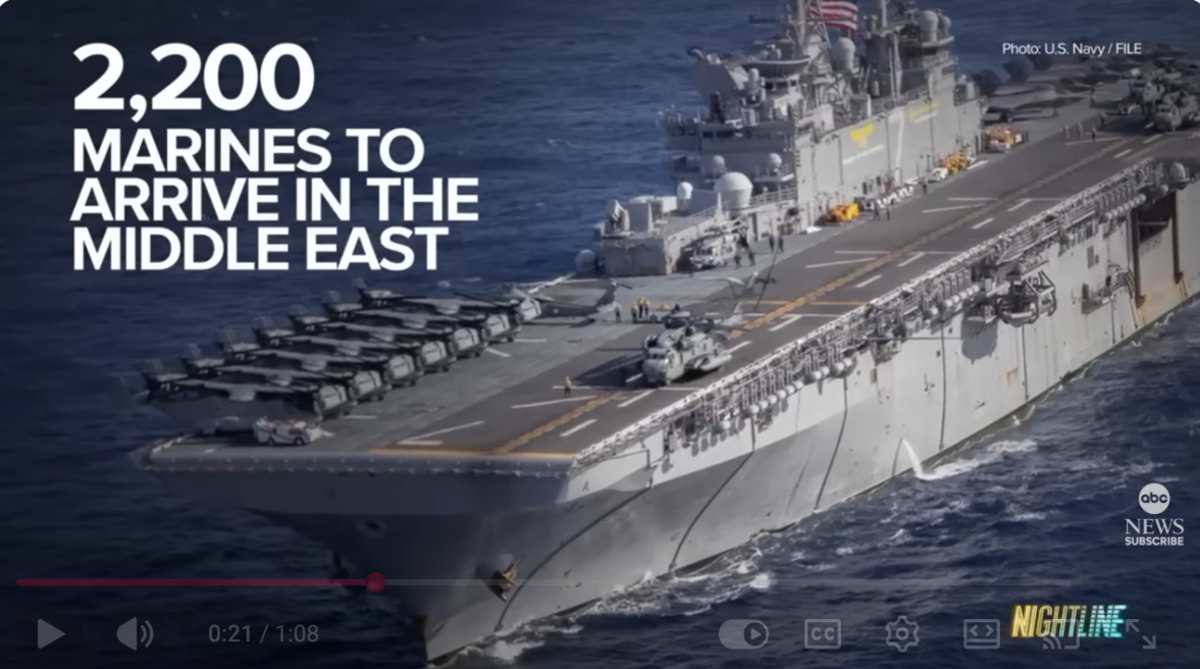
The Iran war has sent shockwaves throughout the global auto industry, with the Strait of Hormuz being closed and Yemen threatening to make the situation worse by closing down the Bab el-Mandeb Strait. This disruption will impact 20% of the world's oil supply, which is 3 to 5 times larger than previous disruptions in 1973, 1979, 1980, and 1980. The Federal Reserve Bank of Dallas predicts that oil prices will rise to about $100 or so while the Strait of Hormuz is closed.
This increase in oil prices will have a significant impact on global auto sales, as it will make electric vehicles more attractive to consumers who are looking for alternative options due to rising fuel costs. The Chinese government's decision to reduce subsidies by about $5,000 per vehicle on January 1st, 2026, has also had an impact on the country's electric vehicle market, with sales being softer than expected.
Chinese automakers have been working to increase exports of all types of vehicles and close some factories to address overcapacity in both gas and electric vehicles. This strategy appears to be gaining momentum, and Chinese automakers may be in a strong position to capitalize on increased demand for electric vehicles due to higher oil prices. However, their gas and hybrids will likely also remain popular in areas without good charging infrastructure.

The United States EV market has been highly volatile over the last year, with sales getting a huge boost in the 3rd quarter as many rushed to get the $7,500 tax credit before it expired. Sales dropped considerably in the 4th quarter and first two months of this year as most people who had been considering a new electric car in the near term bought one in the 3rd quarter.
Tesla's announcement of a $5,000 cheaper Standard Model 3 and Model Y was met with lukewarm reception in the US, although it has been more favorably received in other parts of the world. Nissan introduced its new LEAF and Chevy released its improved Bolt, but even with improved models and big discounts, EV sales have been soft this year.
The recent spike in gas prices has led to a significant increase in search interest in electric vehicles, with more than doubling in the last few weeks. This trend is likely to continue as consumers become more aware of the impact of the Iran war on global oil supplies.
As the situation in the Middle East continues to unfold, it is likely that the global auto industry will experience further disruptions and price increases. Automakers must be prepared to adapt to changing market conditions and find ways to mitigate the effects of rising oil prices.
The long-term impact of the Iran war on global auto sales is uncertain, but one thing is clear: the industry must prepare for a potential surge in demand for electric vehicles as consumers seek alternative options due to rising fuel costs.
The Iran war's impact on global auto sales is a complex issue with far-reaching consequences.