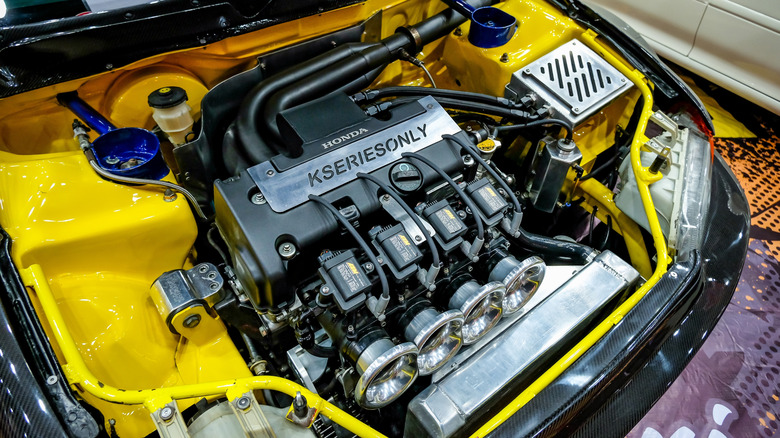

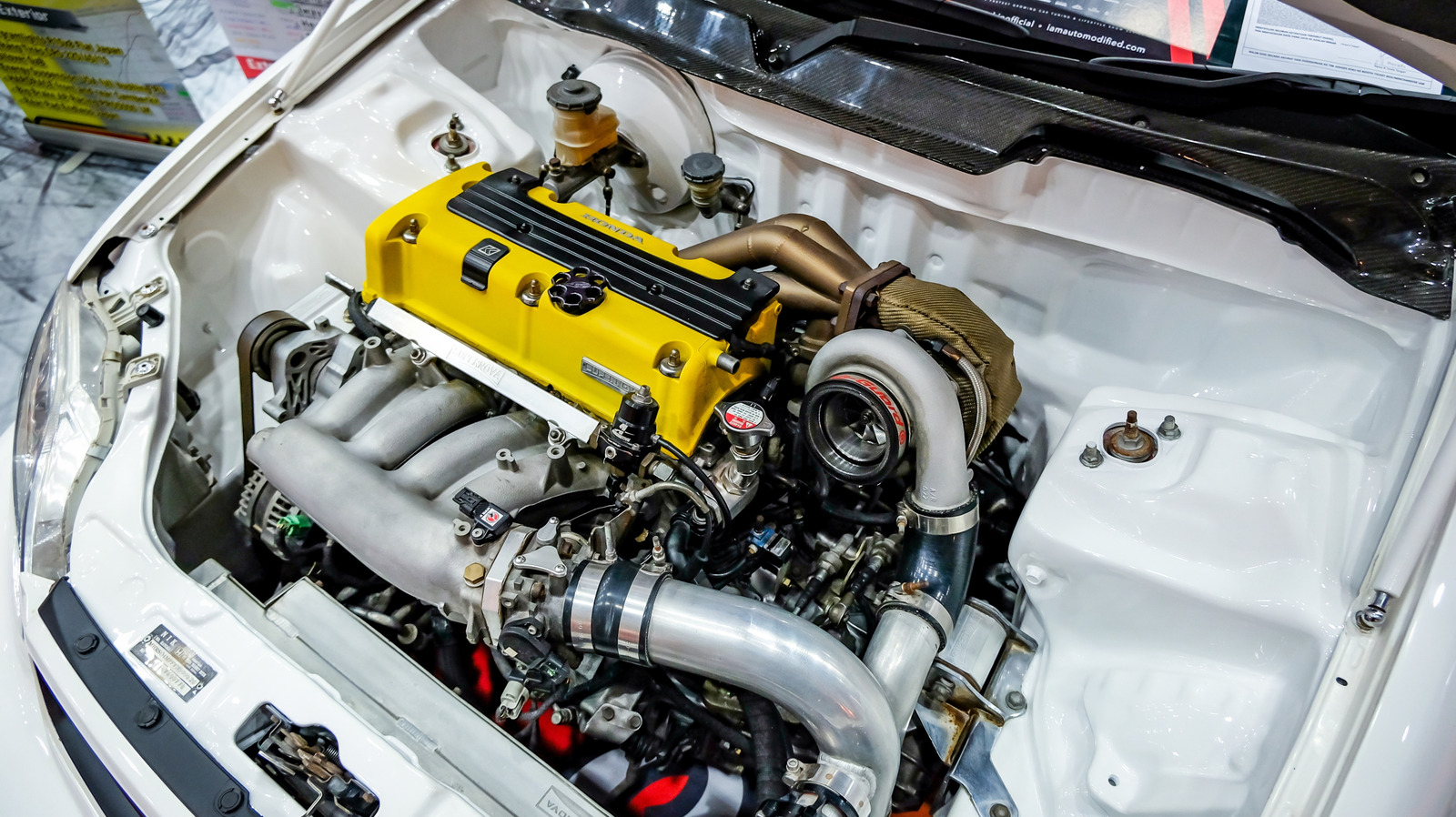
The debate surrounding Honda's B-Series and K-Series engines has been a topic of discussion among enthusiasts for years. These two four-cylinder engines represent different eras of Japanese engineering, with the B-Series embodying the nostalgic side of Honda's golden era and the K-Series marking the beginning of a new era in performance. Both engines have their unique characteristics, making them appealing to different types of car owners. The choice between the two ultimately comes down to personal preference, budget, and the level of modification desired.
The B-Series engine was introduced in the late 1980s and has since become iconic among JDM enthusiasts. Its compact design and lightweight construction make it an ideal choice for naturally aspirated builds. However, its limited displacement range, which typically falls between 1.6 liters and 2.0 liters, constrains its potential for extreme modification. The engine's VTEC setup, which features a binary nature, creates that distinctive 'kick' at around 5,000 rpm.
The K-Series engine, on the other hand, represents a significant departure from the B-Series. Introduced in the early 2000s, it boasts an i-VTEC system, which allows for dynamic intake cam timing adjustments without sacrificing fuel efficiency. This results in improved performance and better airflow efficiency, thanks to its revised cylinder head design featuring swapped intake and exhaust ports.
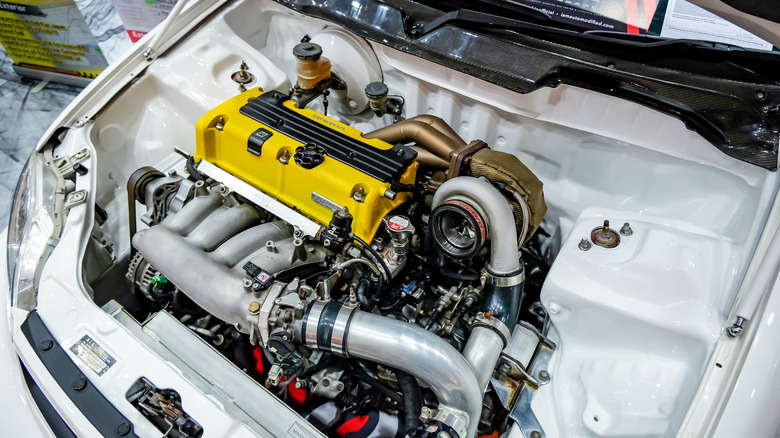
The K-Series engine's displacement range is also more extensive than the B-Series, with options ranging from 2.0 liters to over 2.4 liters. This increased capacity makes it a popular choice for those seeking high-performance engines without breaking the bank. However, its higher power output also means that fabricating an engine bay to accommodate the K-Series can be a more complex and costly endeavor.
For enthusiasts who value simplicity and plug-and-play compatibility, the B-Series engine remains an attractive option. Its shared chassis with other EG or EK Honda Civic models makes it relatively easy to swap in, although this comes at a higher cost compared to the K-Series. In contrast, the K-Series is easier to find, but its higher power output requires more extensive fabrication and modification.
The debate surrounding which engine is 'better' ultimately comes down to personal preference and driving style. Those who prioritize lightweight high-rpm performance will likely prefer the B-Series, while those seeking a modern platform with improved fuel efficiency and performance may opt for the K-Series.
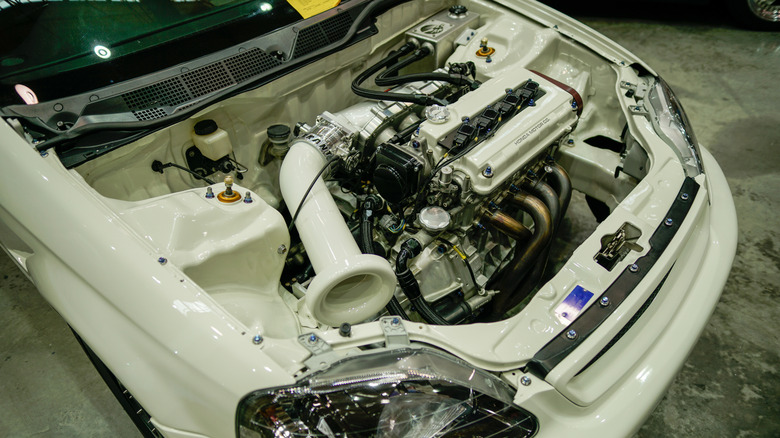
Beyond their mechanical differences, both engines have contributed significantly to Honda's reputation as a manufacturer of exceptional small cars. The B-Series engine has become synonymous with JDM culture, while the K-Series has established itself as a benchmark for modern performance engines.
The increasing popularity of engine swaps has also led to innovative solutions and creative problem-solving among enthusiasts. For instance, a K24-powered Ferrari is now a reality, thanks to the ingenuity of modders who have successfully adapted the K-Series engine to this iconic supercar.
As the automotive landscape continues to evolve, it will be interesting to see how Honda's B-Series and K-Series engines continue to influence the world of performance driving. Will the nostalgic charm of the B-Series or the modern sophistication of the K-Series prevail? Only time will tell, but one thing is certain – both engines have left an indelible mark on the automotive world.