
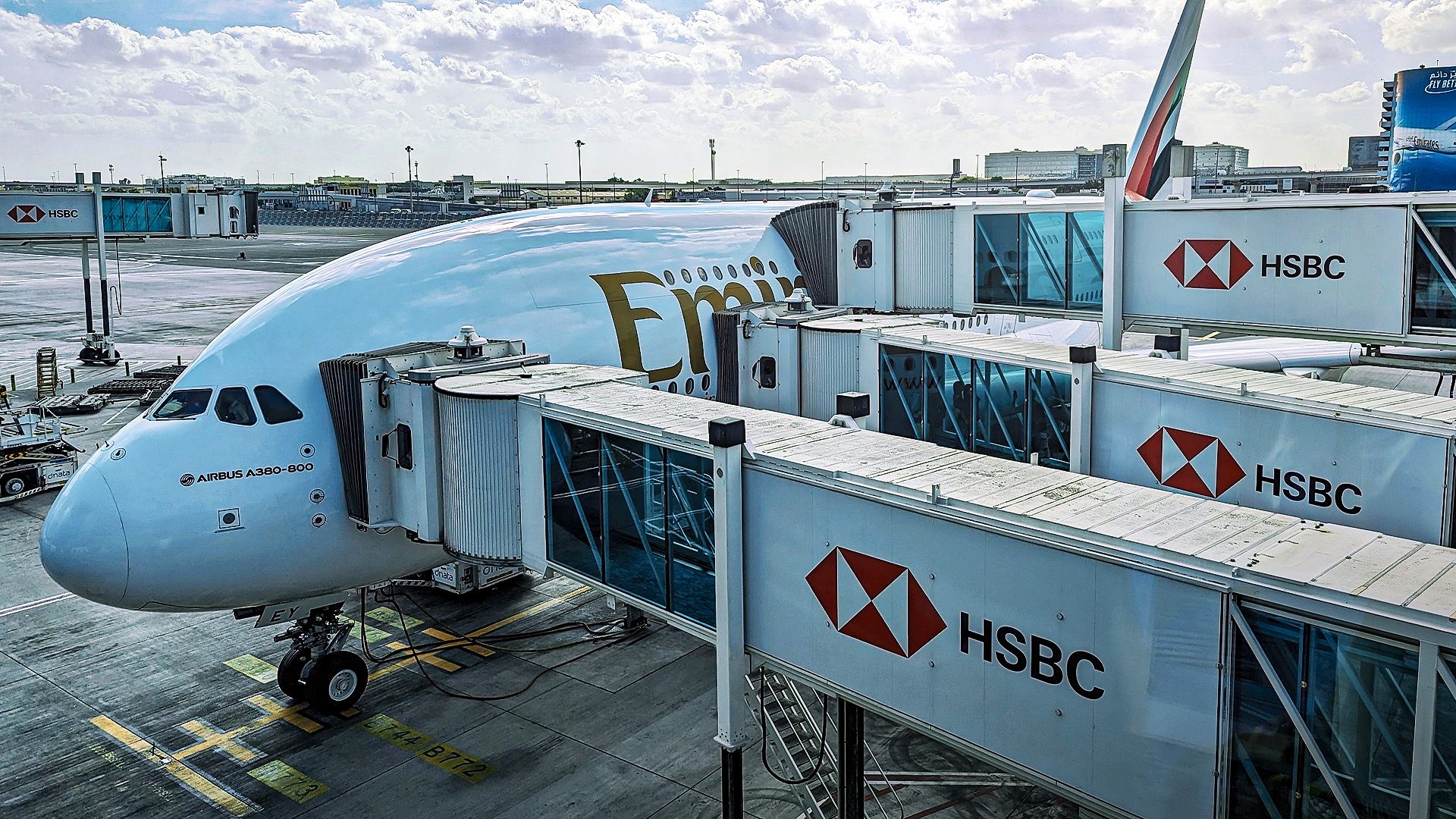
The Airbus A380 is the largest passenger aircraft ever built, with dimensions that have required significant reworks at airports around the world. The aircraft's massive size has necessitated upgrades to pushback bars, towbars, and other infrastructure to accommodate its weight and wingspan. This has been particularly evident in the United States, Europe, and Australia, where the A380 has had a profound impact on airport design and operations.
The COVID-19 pandemic appeared to be the death knell for the Airbus A380, but in recent years, the aircraft has made a surprising resurgence. Many airports still require infrastructure capable of supporting the A380's massive size, and Denver International Airport recently became the first US airport to receive its first-ever A380 flight in 2025.
The reactivation of the A380 has significant implications for airport operations and capacity planning. As airlines return their previously grounded aircraft to service, airports must ensure that they have the necessary infrastructure to support the increased demand for larger aircraft.
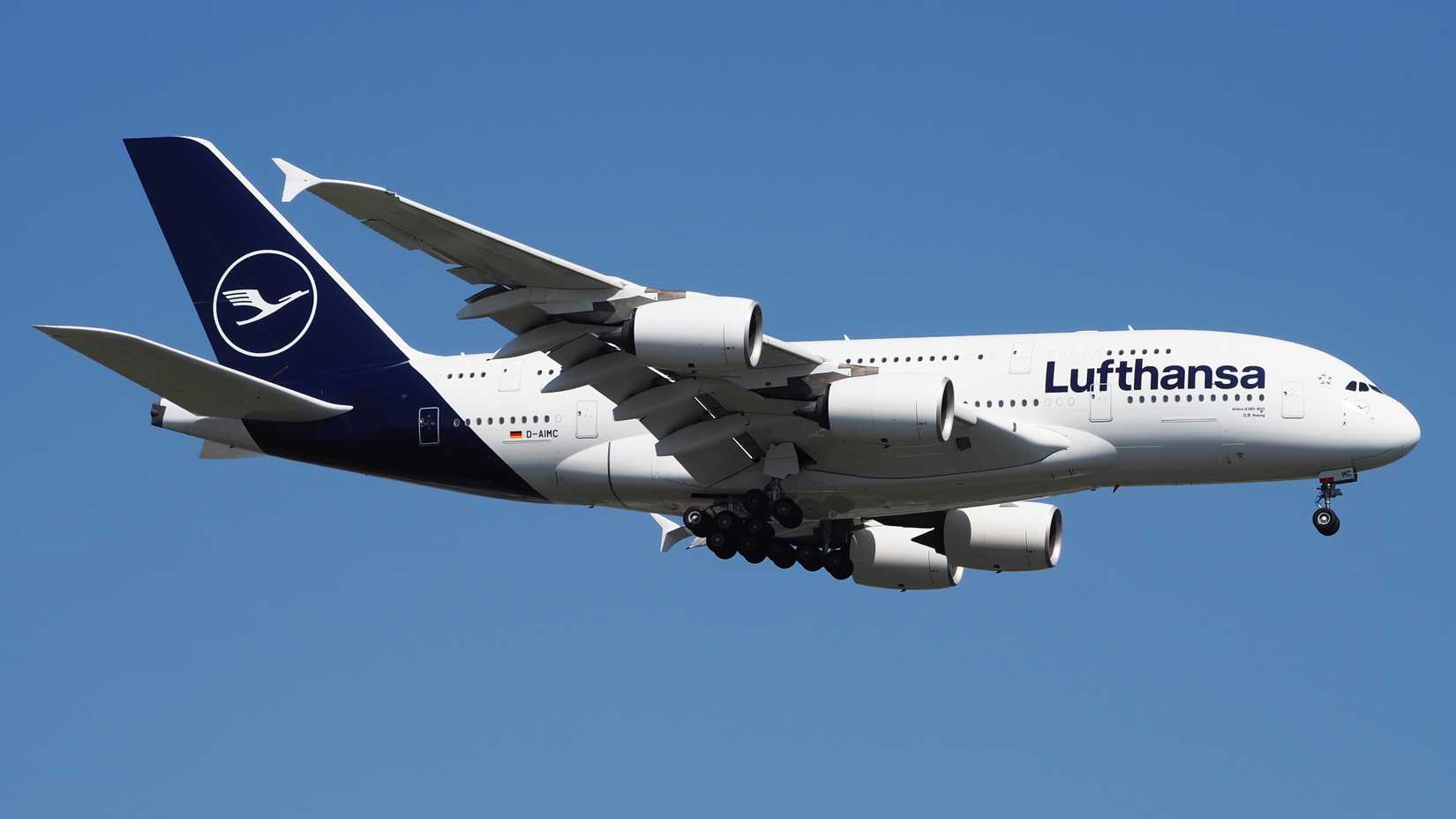
Denver International Airport's experience with the A380 is a prime example of this. The airport had already invested in upgrading its pushback bars and towbars to accommodate the aircraft's weight and wingspan. However, even with these upgrades, the A380 presented some challenges, particularly when it came to parking at gates.
The ICAO gate codes provide a useful framework for understanding the requirements of different aircraft sizes. The code F aircraft, which includes the A380, requires a minimum wingspan of 262 feet (80 meters). Denver International Airport's two gates, A37W and A41W, were specifically designed to accommodate Code F aircraft.
The A380's massive size has also led to upgrades in other airports around the world. In some cases, this has required significant investments in new infrastructure, while in others, it may be a matter of upgrading existing facilities.
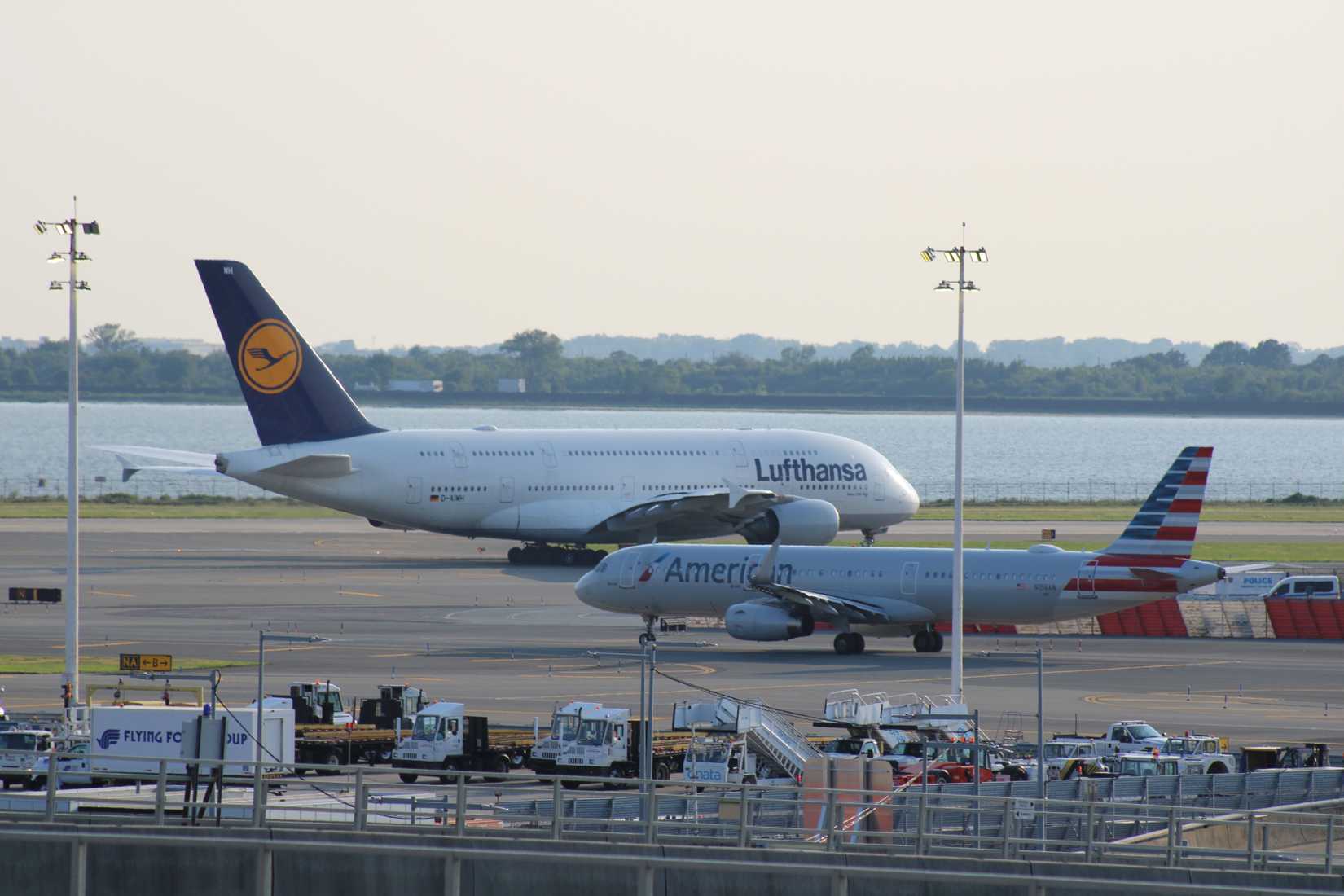
Despite the challenges posed by the A380, many airlines continue to operate the aircraft, and its resurgence is likely to have a lasting impact on airport design and operations.
The Airbus A380's continued operation highlights the need for airports to be flexible and adaptable in response to changing passenger demand and aircraft types. As the aviation industry continues to evolve, it is essential that airports are able to accommodate the needs of different aircraft sizes and types.
Denver International Airport's experience with the A380 serves as a reminder that airport infrastructure must be designed with flexibility and adaptability in mind. By investing in upgrades and new facilities, airports can ensure that they are equipped to handle the demands of larger aircraft like the A380.
The Airbus A380's continued operation has significant implications for airport infrastructure and capacity planning, as it highlights the need for airports to be flexible and adaptable in response to changing passenger demand and aircraft types.