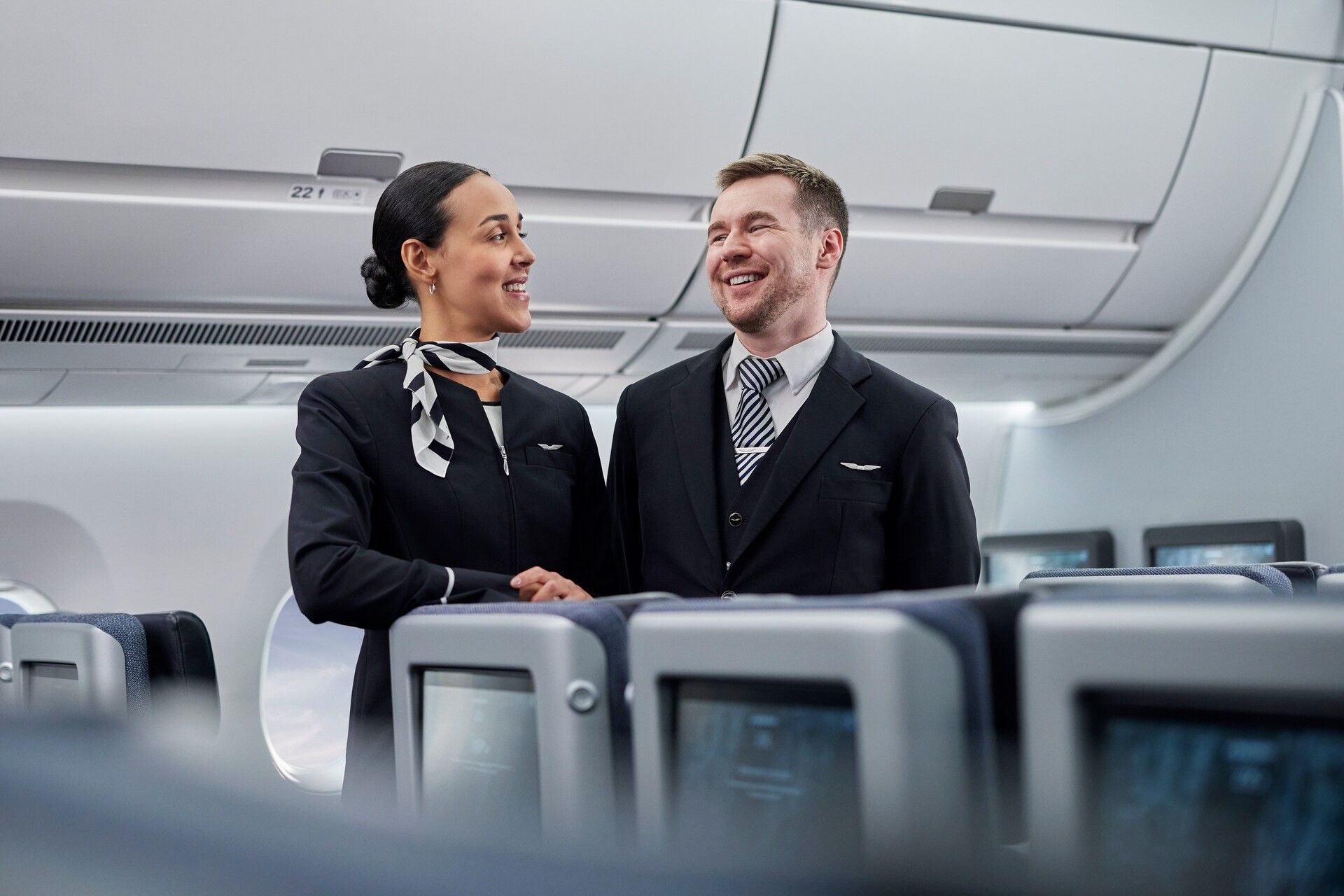

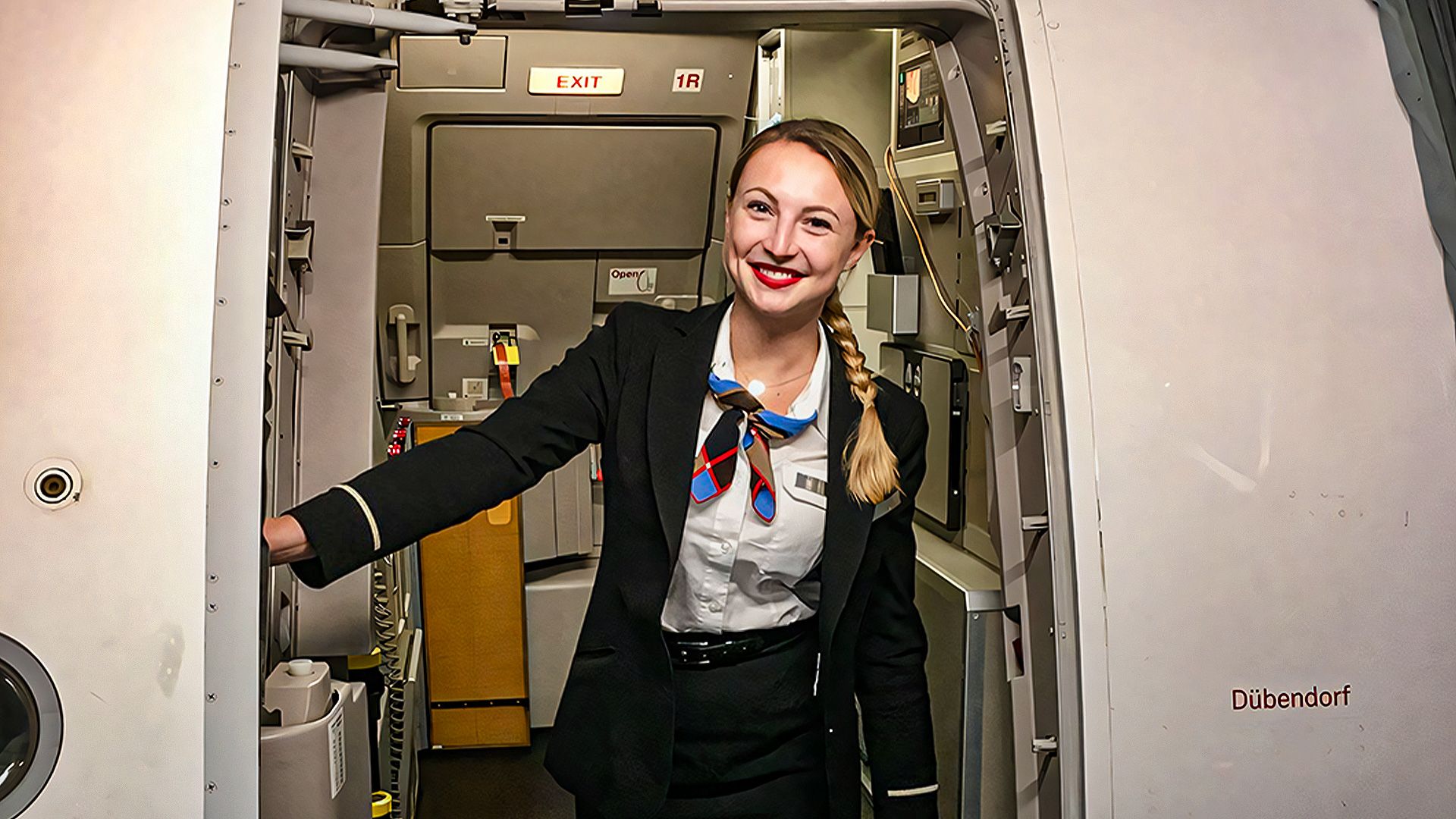
Flight attendants face a multitude of challenges during the boarding process, which is often overlooked by passengers. Despite being on the job for years, their training and procedures are constantly evolving to ensure the safety of all on board. The day-to-day responsibilities of flight attendants are diverse and demanding, requiring them to be prepared for anything that may arise during the flight.
The rigorous training program for cabin crew emphasizes the importance of safety procedures and equipment, evacuation drills, and advanced first aid training. This comprehensive preparation enables them to respond effectively in emergency situations, which are relatively rare but always a possibility. The unpredictability of their job is a significant factor in the stress they experience during boarding.
Upon arrival at the aircraft, flight attendants begin by conducting thorough checks on their personal equipment and safety gear. They ensure that their jumpseat is functioning correctly, the harness is adjusted to fit them properly, and all necessary safety equipment is easily accessible. These initial checks are crucial to prevent any potential issues from arising during the flight.
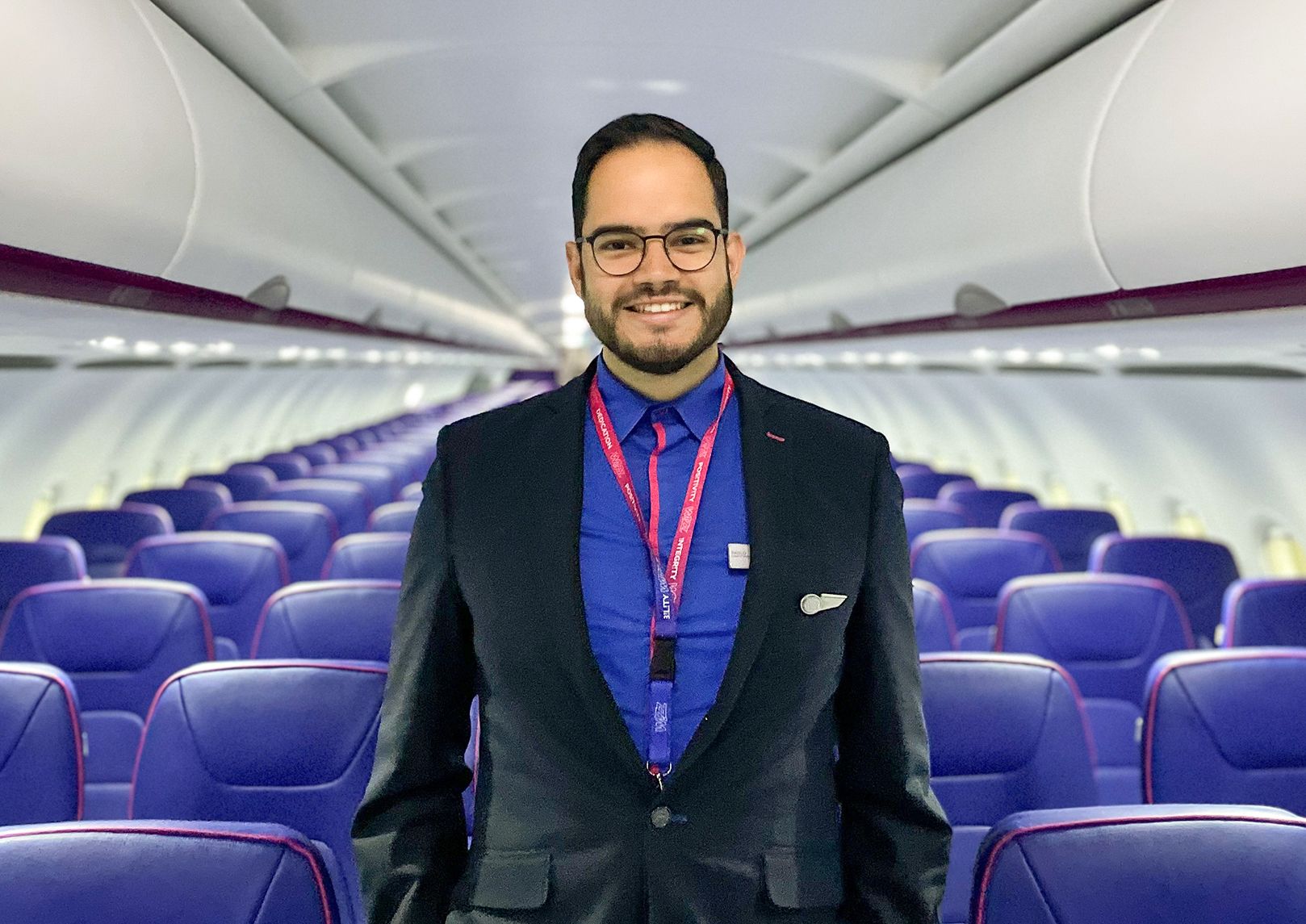
Next, they conduct a security sweep of the cabin, inspecting the overhead lockers, compartments, seats, seat pockets, and floor area for any prohibited items. This meticulous attention to detail helps to maintain a safe environment for all passengers. The lavatories, waste bins, and fire detection systems are also subject to thorough checks.
In addition to these physical checks, flight attendants must verify that the emergency lights, first aid kits, AEDs, megaphones, oxygen bottles, and fire extinguishers are functioning properly and fully stocked. Any discrepancies or issues with these items are documented on an emergency equipment checklist.
One crew member is designated to check the galley position, ensuring that all food and beverage supplies are sealed and accounted for. This includes verifying the correct quantities of meals, snacks, and duty-free goods. The presence of a crew rest area also requires security checks to ensure its safety and compliance with regulations.
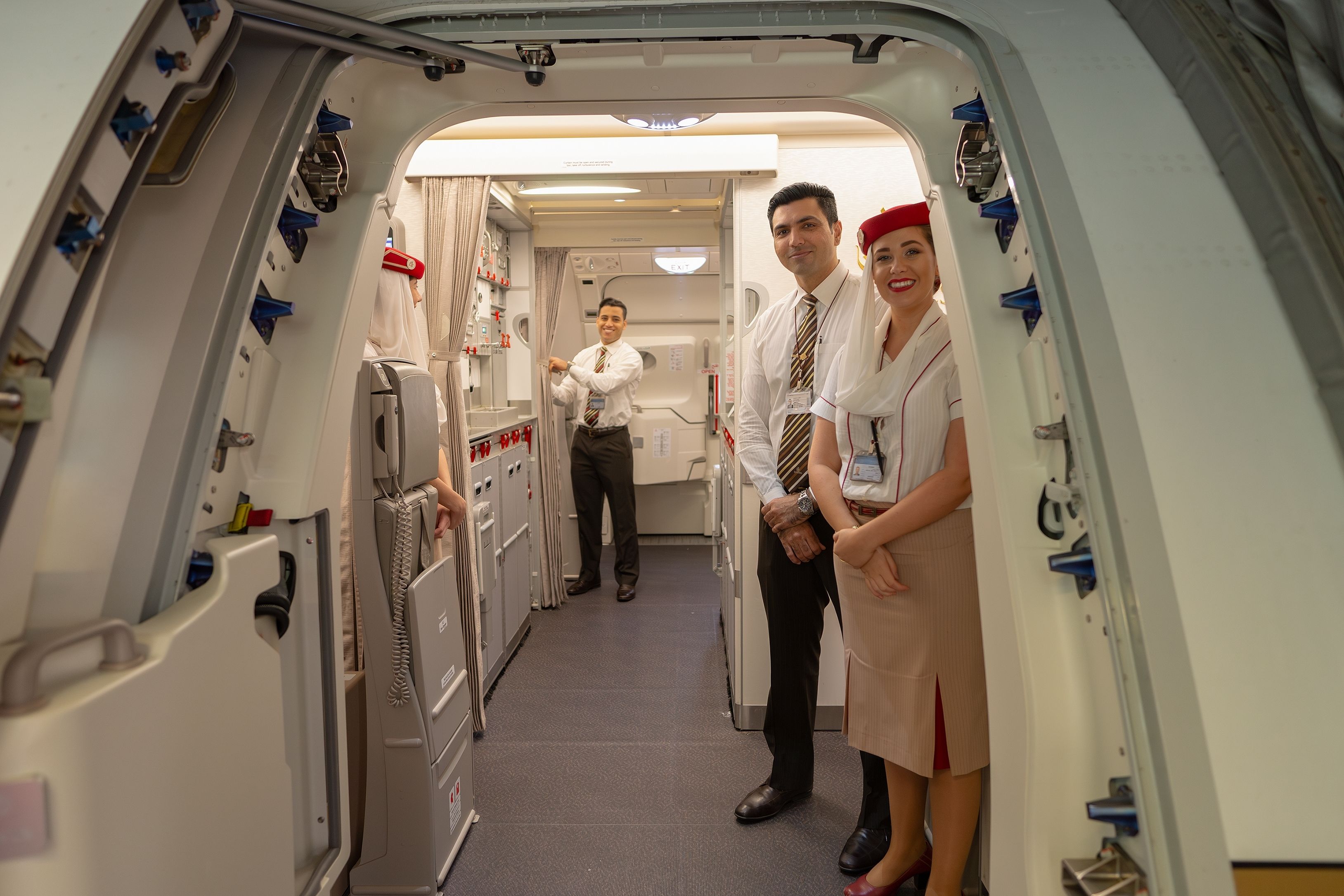
The completion of these thorough checks allows the senior crew member to liaise with the pilots and ground crew to determine the optimal boarding schedule for passengers. Additionally, flight attendants must scrutinize any individuals attempting to board without a valid ID card or correct boarding pass, ensuring that all passengers are accounted for and safe on board.
The stress of the boarding process is palpable for flight attendants, who must navigate a complex web of safety protocols, equipment checks, and passenger screening. This intricate dance requires precision, attention to detail, and a deep understanding of their role in maintaining the safety and comfort of all passengers.
Ultimately, the boarding process is a critical component of ensuring a safe and successful flight. Flight attendants play a vital role in this process, working tirelessly behind the scenes to prepare for every eventuality. Their dedication and expertise are essential to providing a high level of service and care for passengers.