

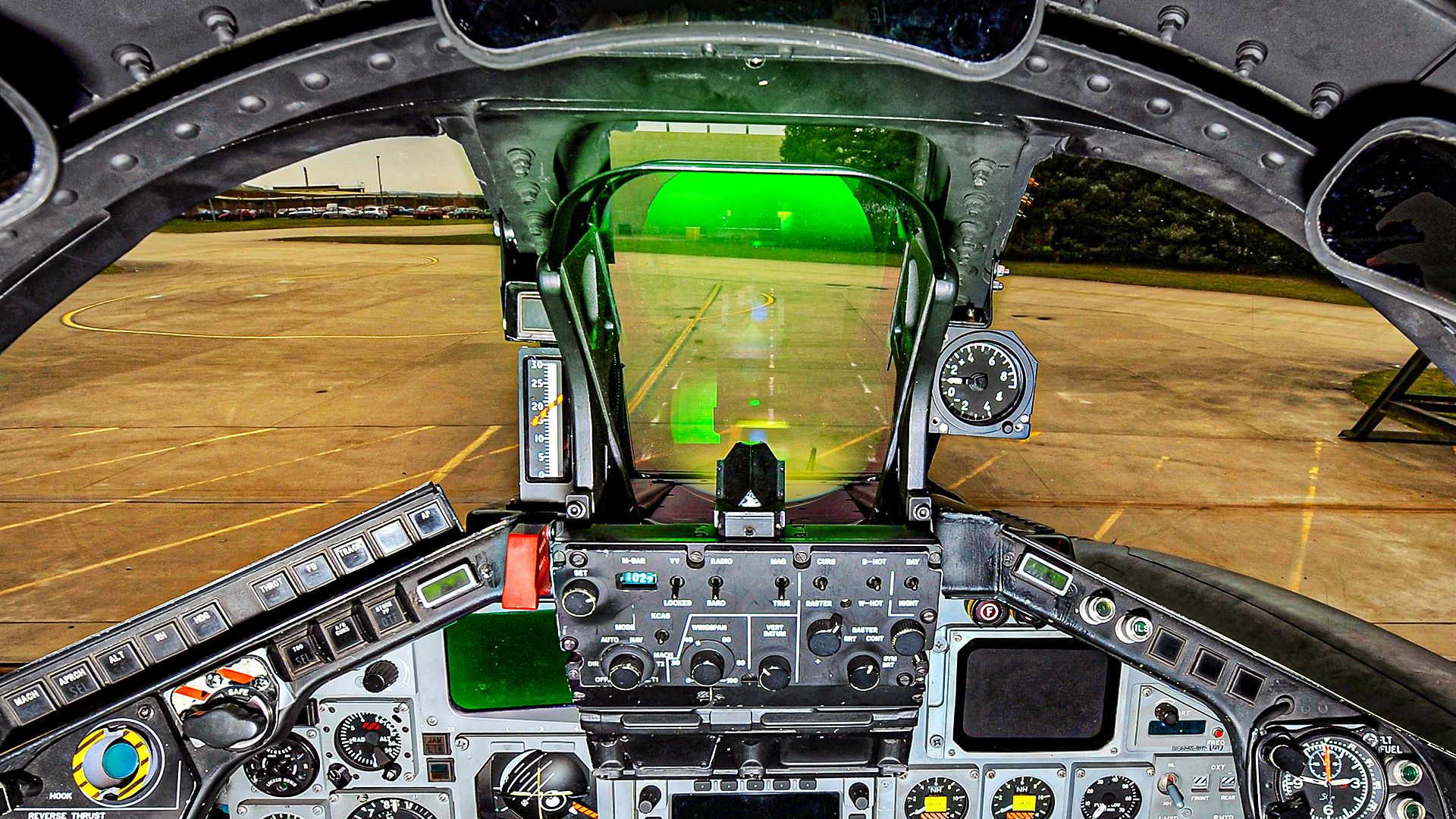
The 21st century of air warfare has seen a rapid transition from traditional fighter jets to a new era of high-tech warplanes, with a focus on advanced avionics and information arms racing among nations.
This shift is driven by the need for more sophisticated systems that can process vast amounts of data in real-time, providing pilots with critical situational awareness and decision-making capabilities.
The United States Air Force remains the world leader in air power, but it currently lacks one of the most advanced avionics systems in its fleet, leaving room for other nations to close the gap.
Meanwhile, the US Navy has made significant strides in developing advanced warplanes that can tackle a range of missions, from electronic warfare to maritime surveillance and reconnaissance.
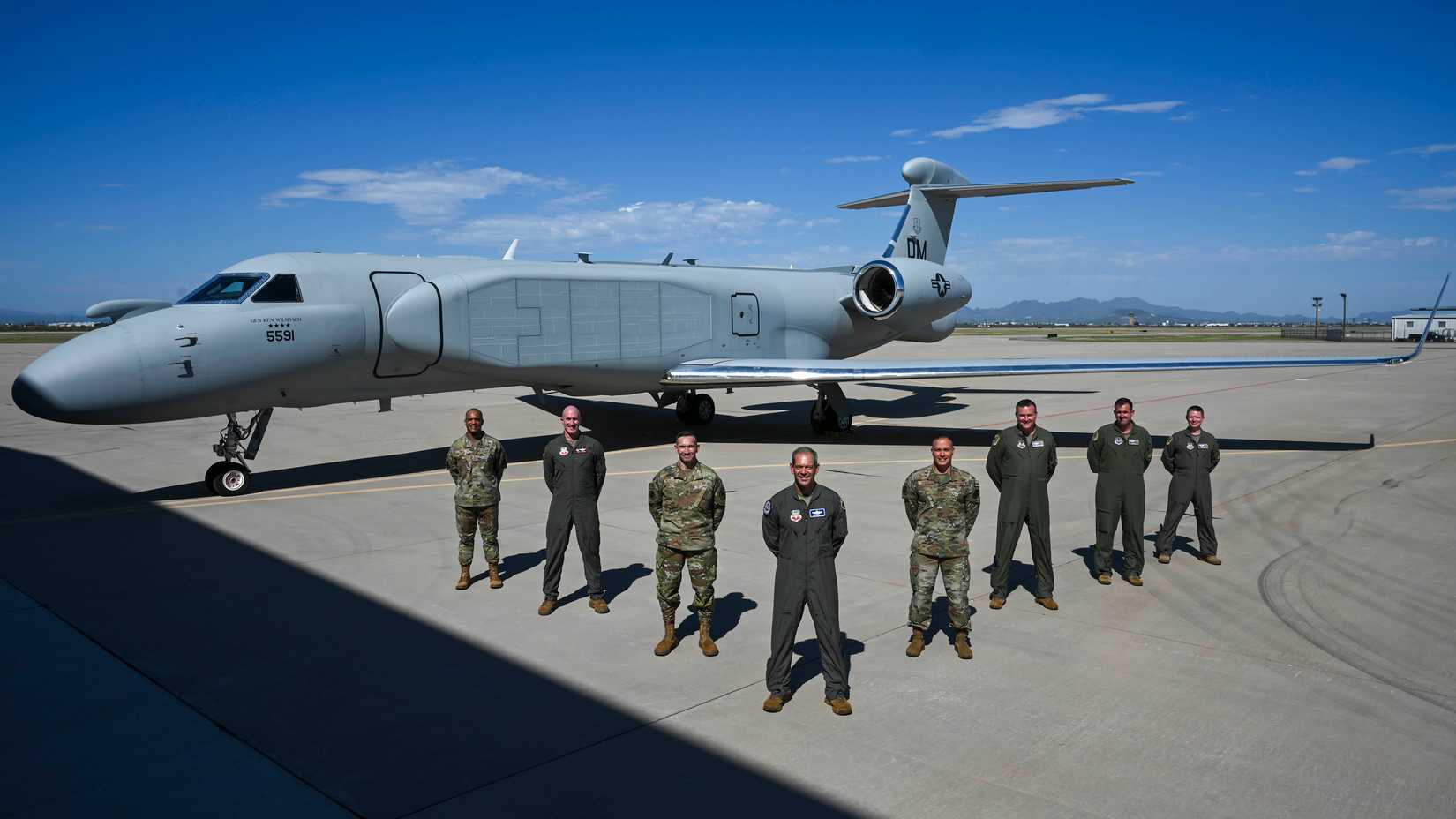
The Compass Call, an electronic attack aircraft based on the Gulfstream G550, is one of the most niche military aircraft in the world, designed to maximize its mission capability in an era where electronic warfare is becoming increasingly decisive.
Its advanced avionics suite allows it to operate at high altitudes, perform longer missions, and reduce aircrew requirements, making it a valuable asset for modern military operations.

In contrast, the EA-37B support platform is dedicated entirely to offensive jamming, using its complex electronics to flood an enemy's integrated air defense systems with electronic noise and effectively blind their networks without firing a shot.
The P-8 Poseidon, based on the Boeing 737 Next Generation airframe, represents a significant leap in capability over its predecessor, offering higher performance, increased capacity, and improved reliability, making it an exceptional intelligence, surveillance, and reconnaissance platform for joint operations.
The increasing reliance on advanced avionics in military aircraft is a testament to the evolving nature of modern warfare, where technology plays a crucial role in determining the outcome of battles.