


The need to measure mechanical power dates back to the 18th century, when mine owners measured how hard a horse could pull. As technology advanced during the Industrial Revolution, engineers developed ways to quantify the output of steam engines and other machinery. This concept has been refined over time to meet the demands of modern automotive testing. The primary goal of dyno tests is to accurately assess a car's performance, efficiency, and durability in a controlled environment.
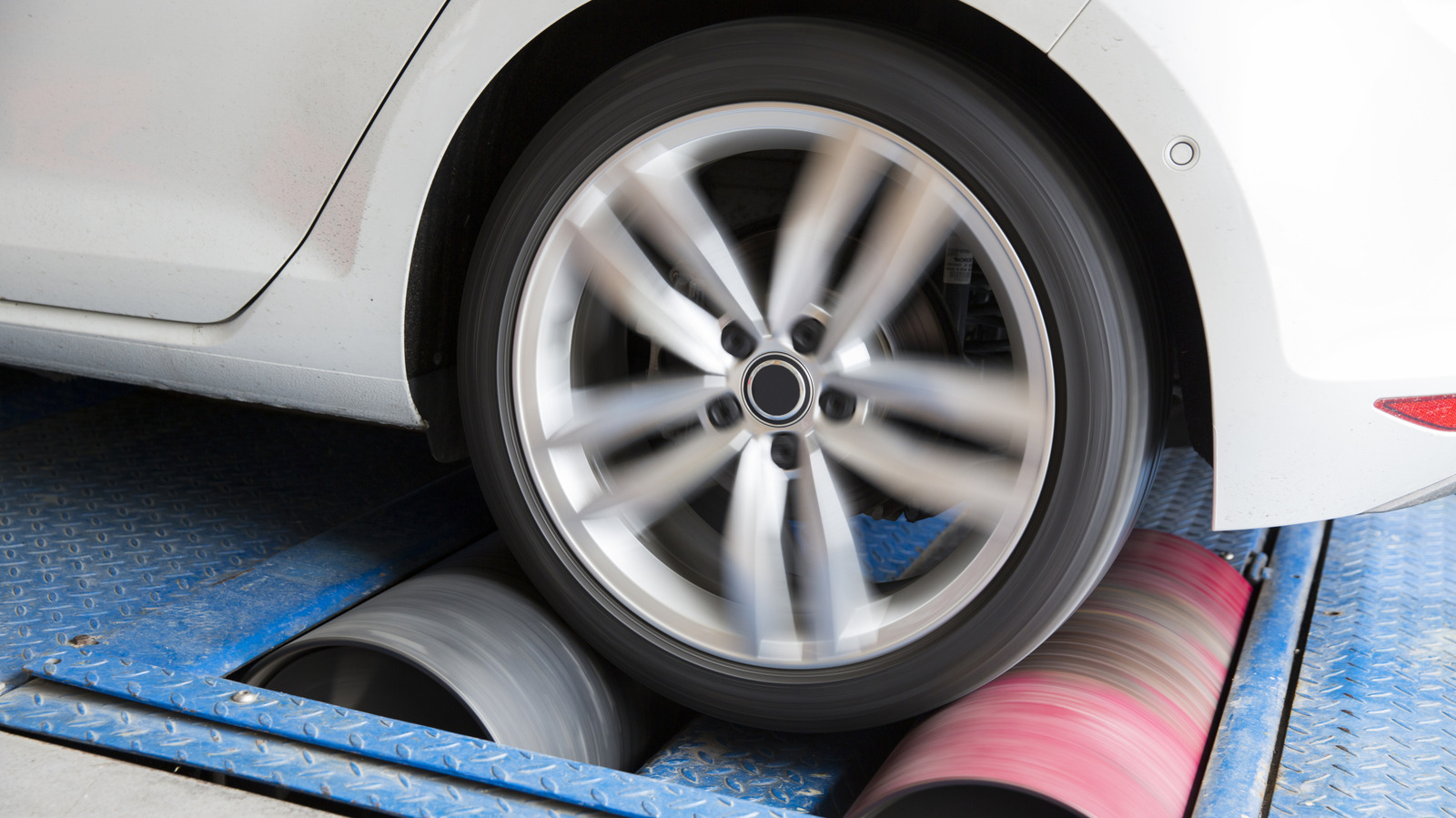
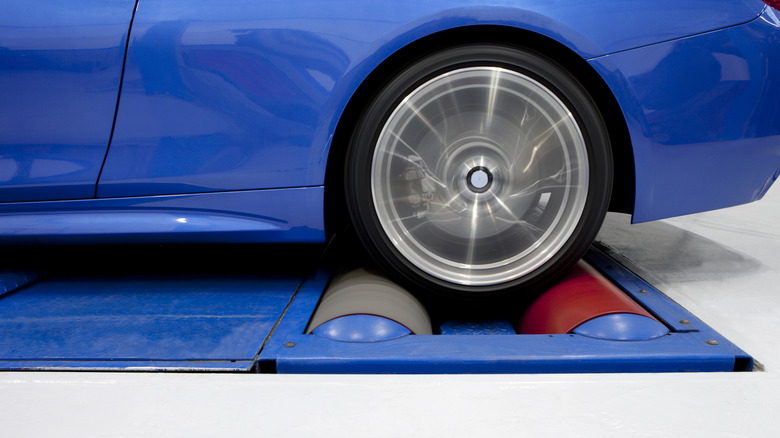
A typical dyno test involves attaching a car to a chassis dynamometer, also known as a 'rolling road' dyno. This type of setup simulates real driving conditions by applying a controlled load to the car's drivetrain. The dyno measures torque and rpm response using two or four large rollers spun by the car's wheels. These rollers use sensors to capture data on parameters such as wheel speed and acceleration.
The data collected from the dyno is then used to calculate horsepower, taking into account drivetrain losses that occur when power is transmitted to the wheels. This approach provides a more accurate representation of a car's performance than traditional engine dynos, which measure power at the crankshaft. By accounting for these losses, dyno tests offer a more comprehensive understanding of a car's capabilities.
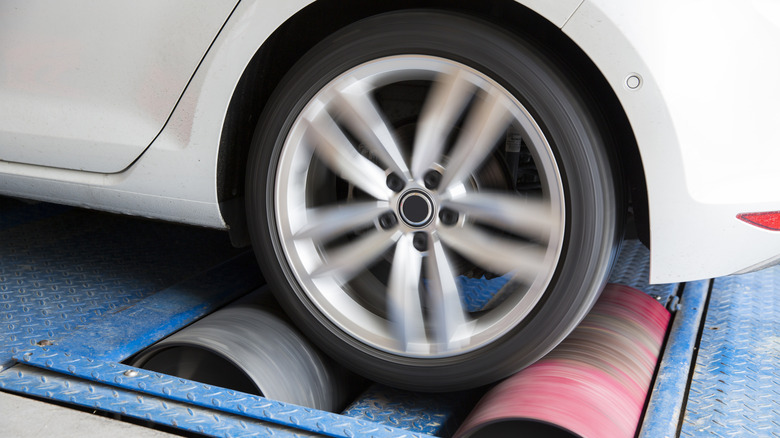
During a typical run, technicians typically accelerate the car from low rpm to the top of the rev band, collecting data throughout the process. Modern systems can also track air-fuel ratio, rpm behavior, and boost pressure curves on forced-induction cars. This wealth of information provides valuable insights into a car's performance, efficiency, and durability.
However, dyno results are often misunderstood due to various factors that affect their accuracy. One critical factor is sweep time, which refers to the engine's acceleration from low to high rpm under load. A shorter sweep time can result in higher horsepower readings, while a longer sweep time may indicate reduced performance.
The limitations of dyno tests also highlight the importance of proper testing procedures and equipment calibration. If not properly calibrated, the results may be inaccurate or misleading. Furthermore, modern cars often feature complex systems that require specialized testing equipment to accurately capture their performance characteristics.
In recent years, advancements in technology have enabled the development of more sophisticated dyno systems. These systems can now track a wider range of parameters and provide more detailed insights into a car's performance. As a result, dyno tests have become an essential tool for automotive enthusiasts, tuners, and manufacturers alike.
The value of dyno tests lies in their ability to provide a precise measurement of a car's performance, efficiency, and durability. By understanding these factors, individuals can make informed decisions about modifications, upgrades, or purchases. In addition, dyno tests have become an essential tool for manufacturers to evaluate the performance of new vehicles and identify areas for improvement.
In conclusion, dyno tests offer a unique perspective on a car's performance, efficiency, and durability. By understanding the complexities of these tests and their limitations, individuals can gain a deeper appreciation for the science behind automotive testing and make more informed decisions about their vehicles.
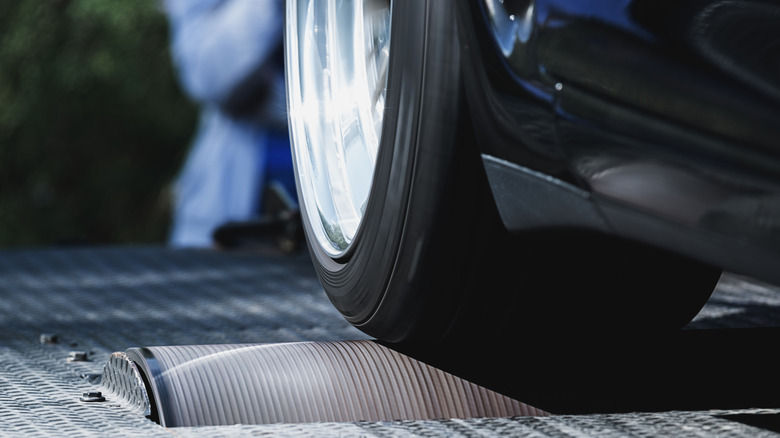
Dyno tests provide a precise measurement of a car's performance, efficiency, and durability.