
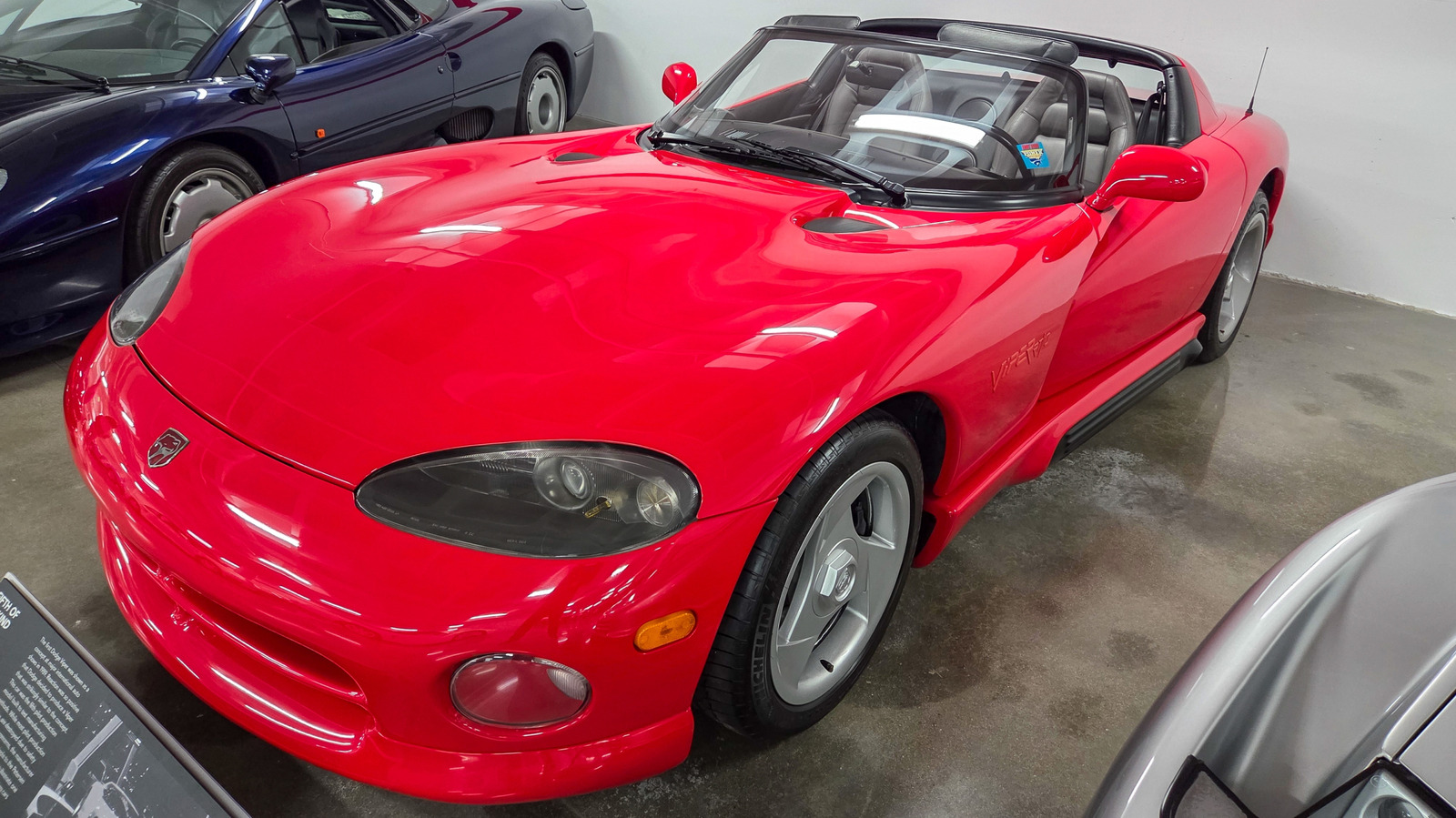
The Dodge Viper, especially its first iteration, is often remembered for its raw power and distinctive looks. However, it also has a reputation for being a machine that can be intimidating to drive, with some reviewers experiencing loss of control during testing due to its unrefined handling characteristics.
One of the primary concerns with the early-'90s first generation was its stiff suspension, which made it difficult to predict the car's behavior when pushing its limits. This issue, combined with other factors such as tramlining and lack of stability and traction control, led some drivers to feel uneasy behind the wheel.
The SR-I Viper suffered from a range of problems that detracted from its overall performance. These included tramlining, where grooves in the road would affect the car's control, and a suspension setup that was too stiff and unpredictable. As a result, driving the first-generation Viper could be a harrowing experience.
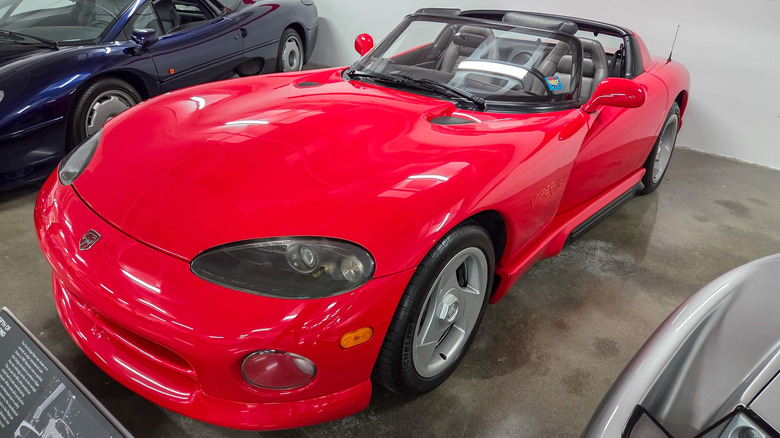
The SR-II model introduced in 1995 addressed many of these concerns by stiffening the frame, replacing heavier aluminum components with lighter ones, and adjusting the suspension to reduce tramlining. These changes significantly improved the car's handling and overall performance.
When the SR-I Viper was first released, it had a reputation for being difficult to handle, but by 1996, Dodge had made significant strides in addressing these issues. The Viper was now capable of competing with high-performance cars on the track, thanks in part to its collaboration with European partners such as Reynard Motorsport and Oreca.
Building a Viper that could rival Ferrari and Porsche required careful engineering and tuning. While the standard road-going model's 8.0-liter V10 engine may seem underpowered at first glance, it was actually capable of producing nearly 700 horsepower when paired with European expertise.
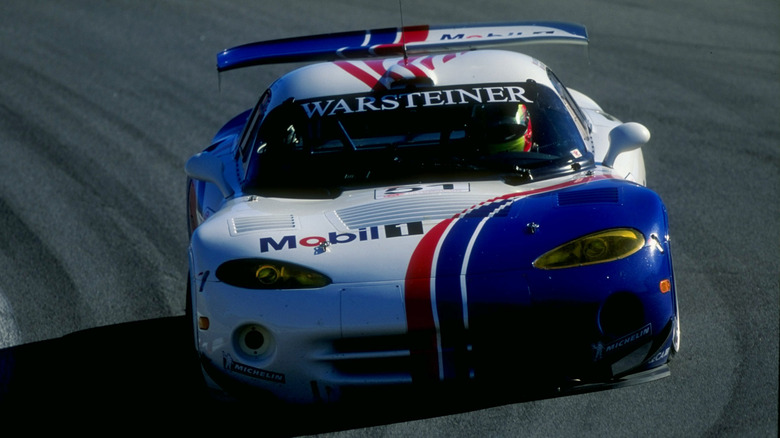
The GTS-R model's success on the track in 1997, including its FIA GT championship win, marked a significant turning point for the Dodge Viper. This victory demonstrated that the car had finally found its footing and could compete with the best in its class.
The GTS-R's dominance continued across various championships and endurance races until it was eventually retired in favor of the Competition Coupe version in 2004. The larger 8.3-liter engine of the Competition Coupe further cemented the Viper's reputation as a high-performance icon.
Today, the Dodge Viper remains an iconic symbol of American muscle and performance, its evolution from a twitchy beast to a predictable handler a testament to the brand's commitment to innovation and improvement.
The Dodge Viper's transformation from a twitchy beast to a predictable handler showcases the brand's dedication to performance and innovation.