
The conflict between Israel and Iran has already caused chaos in energy markets, with thousands of people killed and widespread destruction reported. The situation is further complicated by the involvement of other regional actors, including Houthi militants from Yemen. The war has also led to a significant increase in military operations, with both sides launching airstrikes and missile strikes against each other's territories.
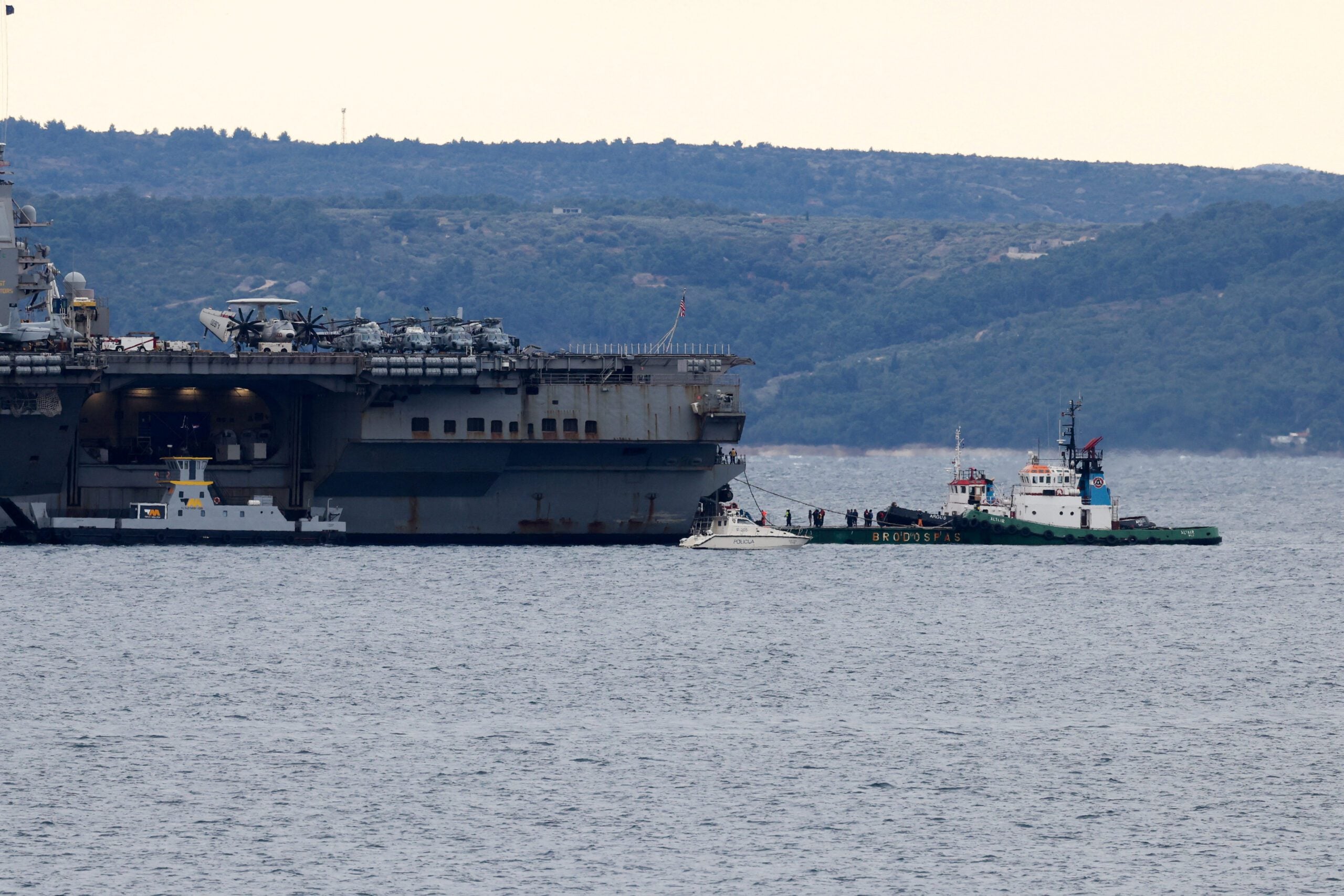
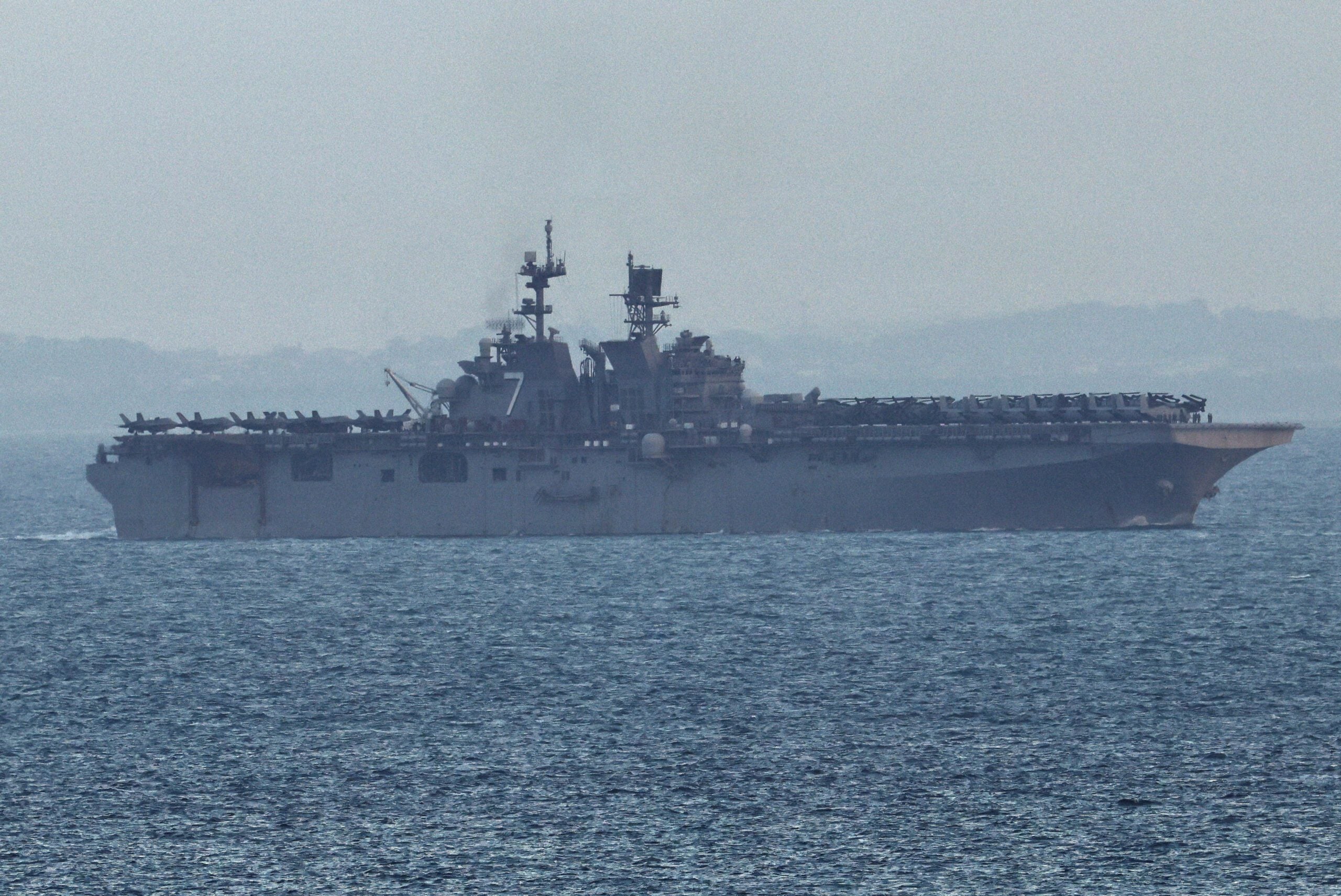
The United States has deployed an amphibious assault ship, the USS Tripoli, to the region as part of its efforts to counter Iranian aggression. The ship is carrying over 3,500 sailors and Marines who will be conducting maritime security operations in the area. This move is seen as a demonstration of US resolve to protect its interests in the region.
Houthi militants have announced that they will continue their operations against Israel until the US-Israeli attacks on Iran and its proxy groups cease. The group has also carried out a second military operation targeting Israel with cruise missiles and drones, further escalating the conflict. This move raises significant concerns about the potential for further escalation and the impact on regional stability.

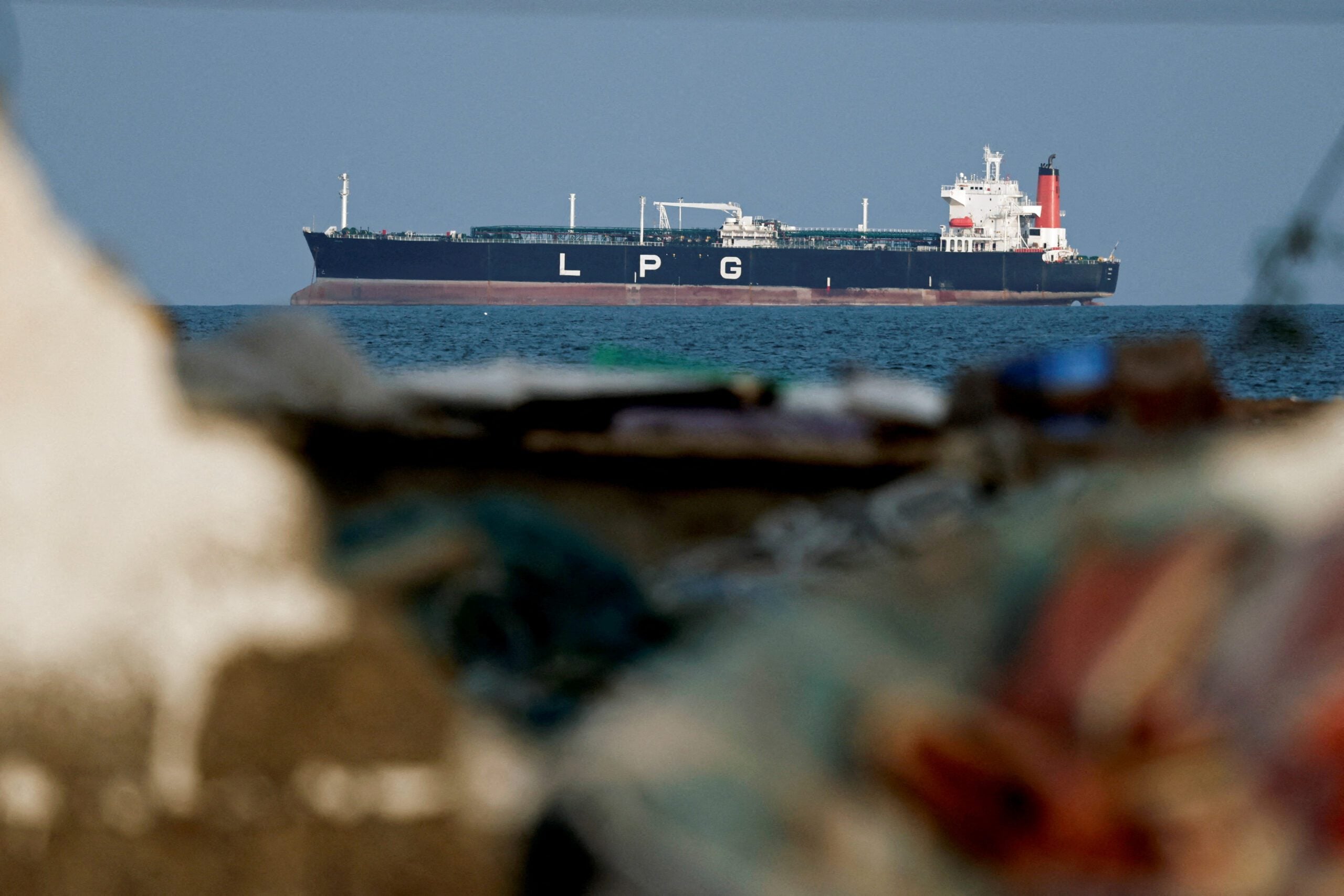
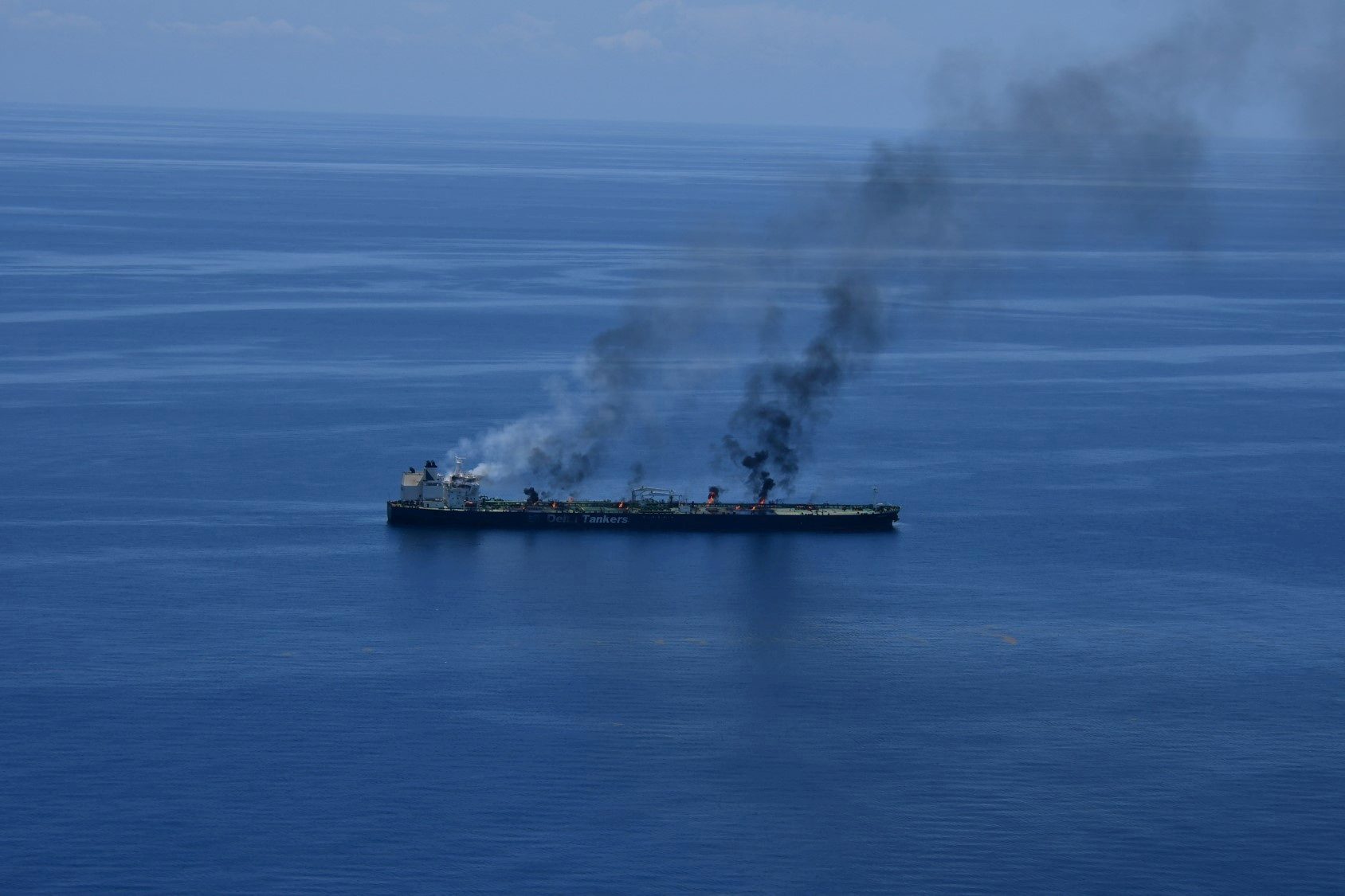
The entry of Houthi militants into the war has significant implications for the global energy market, as it could disrupt oil exports and shipping routes. The group's capabilities in terms of launching missiles and drones make them a significant threat to maritime security in the region. This raises concerns about the potential for further disruptions to oil supplies and prices.
While the Houthis did not explicitly state that they would target tankers or other vessels transiting the southern Red Sea and the Bab El-Mandeb Strait, their capabilities in this regard make them a significant threat. The group has effectively shut down the waterway in the past, forcing vessels to reroute and disrupting a key shipping corridor.
The Saudi Arabian port of Yanbu is well within the range of Houthi missiles, making it a potential target for future attacks. However, that the Houthis are likely to avoid targeting Saudi oil sites, at least for now. The group has agreed to a truce with Saudi Arabia in 2022, which has largely held and involved the Saudi government making some payments to areas under Houthi control.
The entry of Houthi militants into the war also raises concerns about the potential for further escalation and the impact on regional stability. While the Houthis have agreed to a truce with Saudi Arabia in 2022, their involvement in the conflict could lead to a breakdown in this agreement and further destabilize the region.
The conflict between Israel and Iran has already caused significant human suffering, with thousands of people killed and widespread destruction reported. The situation is further complicated by the involvement of other regional actors, including Houthi militants from Yemen. It remains to be seen how the conflict will unfold in the coming days and weeks.
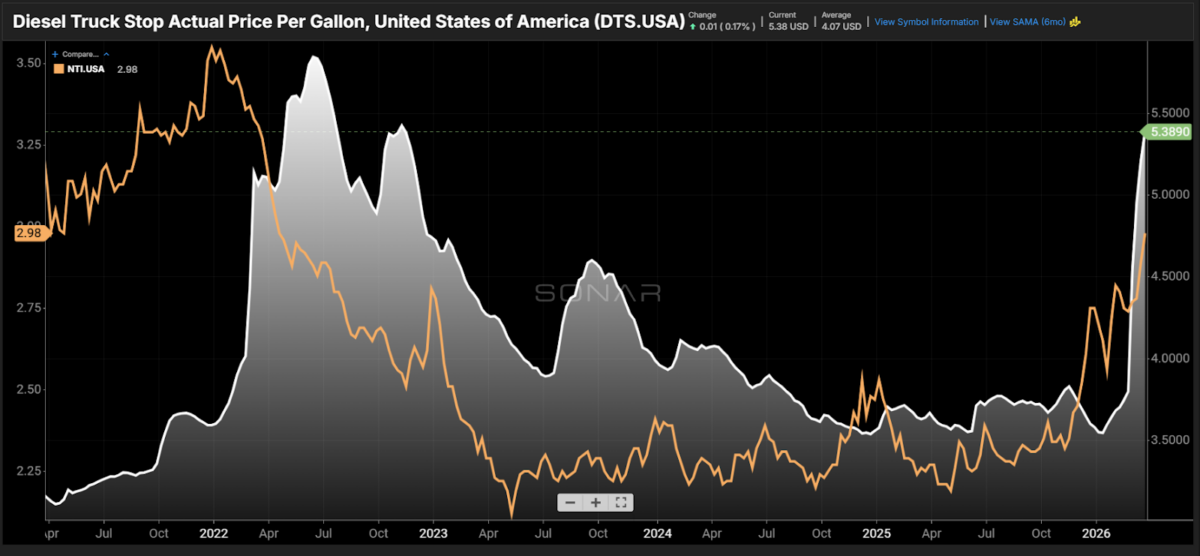
The global energy market is closely watching the developments in the region, as any disruption to oil supplies and prices could have significant implications for the global economy.
The entry of Houthi militants into the month-long Iran war has significant implications for the global energy market, as it could disrupt oil exports and shipping routes.