


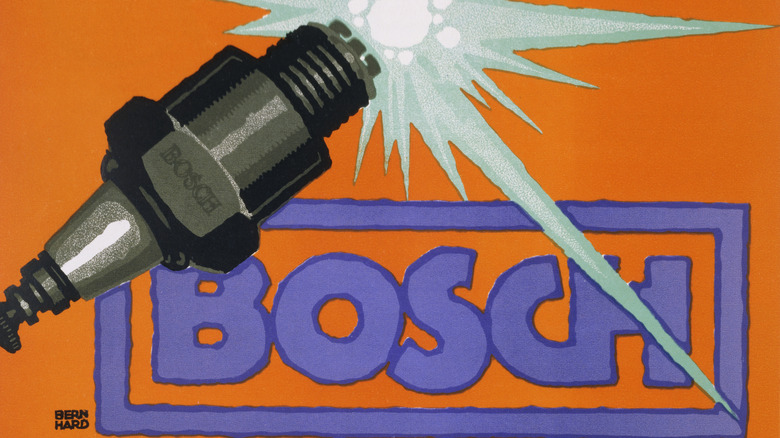
Bosch is one of the largest manufacturers of any kind on the planet, producing a wide range of products from power tools to dishwashers. The company's extensive product line includes virtually every automotive part imaginable. However, its first major invention was not only groundbreaking but also a crucial milestone in the development of the automobile. In 1902, Bosch was awarded a patent for the first-ever spark plug, an innovation that would forever change the internal combustion engine.
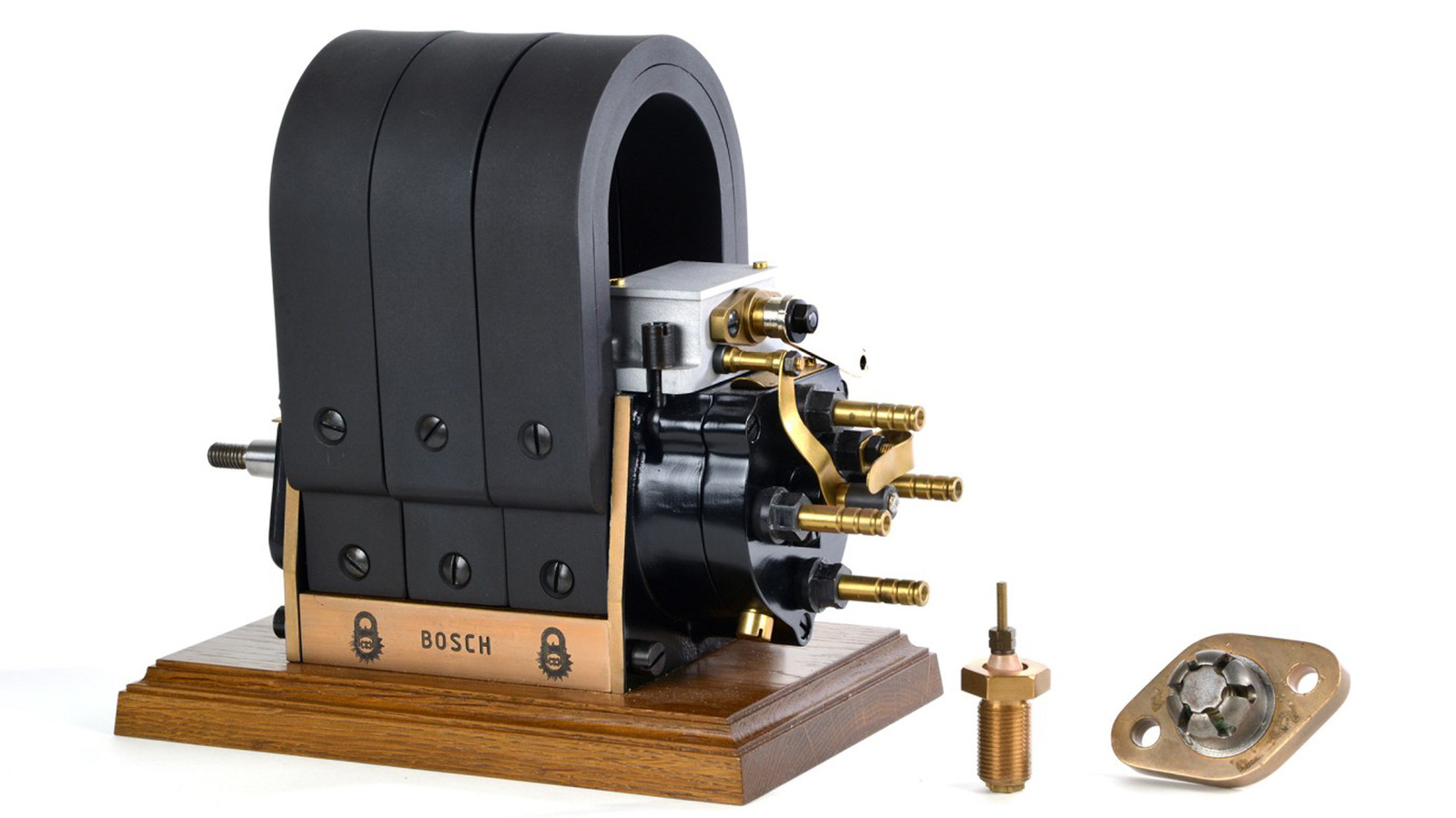
The original spark plug design was larger than modern versions, yet it retained the same fundamental principle of operation that has remained largely unchanged since its inception over 120 years ago. The development of the spark plug was not possible without Bosch's earlier invention, the magneto ignition device. This pioneering technology enabled cars to move away from relying on batteries and paved the way for the creation of the spark plug.
The magneto ignition device, invented by Bosch lead engineer Arnold Zähringer, was a precursor to modern engine ignition systems. Initially, it generated small amounts of electricity that were used to create sparks for internal combustion engines through break-spark rodding. This process was complicated, unreliable, and required unique designs for every engine it was applied to.
Despite its complexity, the magneto ignition device played a crucial role in igniting air/fuel mixtures at a time when internal combustion engine-powered vehicles were still in their infancy. Prior to Bosch's innovation, cars relied on batteries to power their spark ignition, limiting their range and overall performance.
The introduction of the magneto ignition system marked a significant shift in automotive technology, as it allowed cars to travel farther without relying on external power sources. This newfound reliability made Bosch's system an attractive option for automakers, who began to adopt it en masse.
Robert Bosch's fledgling company saw a surge in demand following the success of his magneto ignition system. The increased adoption of this technology helped establish Bosch as a major player in the automotive industry, laying the groundwork for future innovations and growth.
In 1901, Robert Bosch tasked his head of development, Gottbog Honold, with creating a version of the magneto ignition that didn't rely on break-spark rodding. Honold's subsequent design, known as electric arc ignition, generated an electric arc between two electrodes to ignite the air/fuel mixture in the combustion chamber.
The development of the spark plug was a direct result of Honold's innovative approach to electric arc ignition. By strengthening insulation and using stronger electrodes, Honold created a more reliable system that paved the way for the modern spark plug design we know today.
The invention of the spark plug marked a significant turning point in the history of the automobile, enabling cars to travel farther and more efficiently. This innovation also paved the way for further advancements in automotive technology, cementing Bosch's position as a leader in the industry.
The invention of the spark plug marked a significant turning point in the history of the automobile, enabling cars to travel farther and more efficiently. This innovation also paved the way for further advancements in automotive technology.