

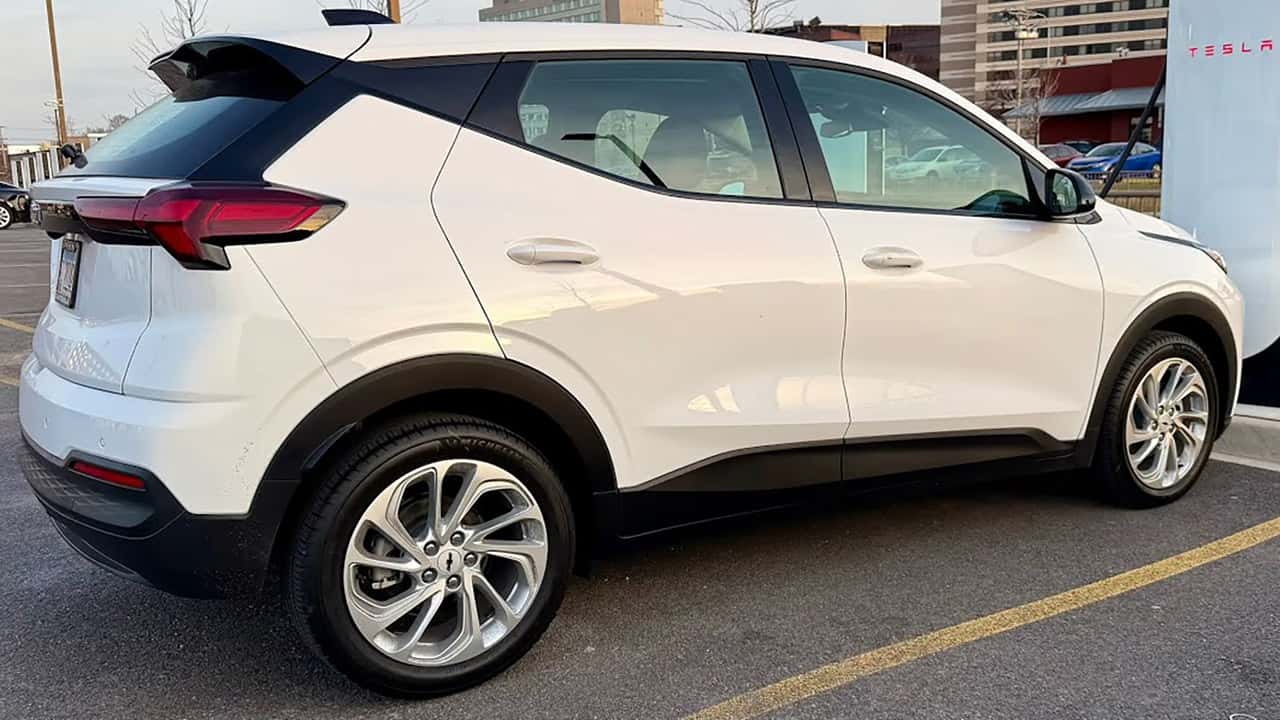
The 2027 Chevy Bolt EV has been put through its paces in a high-speed highway test, revealing the extent of its capabilities on America's longest roads. The test, which pushed the vehicle to its limits, showed that while the Bolt EV is capable of impressive city driving and short-distance cruising, its range is severely limited at highway speeds. This raises questions about the practicality of this electric vehicle for long-distance travel.
The Bolt EV's EPA rating of 262 miles has been widely touted as a major selling point, but in reality, drivers can expect significantly less range on the open road. According to the test results, the vehicle's battery life dwindles rapidly at highway speeds, making it difficult to sustain a steady pace over long distances. This is a significant drawback for potential buyers who rely on their vehicles for daily commutes or road trips.
The Bolt EV's performance on highways was also put to the test, with the vehicle struggling to maintain speed in higher gears. While it can accelerate from 0-60mph in under 7 seconds, its top speed is electronically limited at 100mph, and it requires frequent gear changes to stay within the speed limit. This highlights a common challenge faced by many electric vehicles: balancing performance and efficiency.
The test also revealed that the Bolt EV's regenerative braking system can be quite aggressive, which may cause some drivers to feel like they're losing control of the vehicle. While this is a minor issue compared to the range limitations, it does underscore the need for more nuanced and driver-friendly systems in electric vehicles. Manufacturers will likely take note of these findings and make adjustments accordingly.
The Bolt EV's highway test results are particularly significant given its price point, which makes it one of the most affordable electric vehicles on the market. With a starting price under $30,000, buyers have come to expect a certain level of range and performance from their vehicles. The Bolt EV's limitations at highway speeds will undoubtedly raise eyebrows among potential buyers who prioritize range over affordability.
Despite its limitations, the Bolt EV remains an attractive option for city dwellers or short-distance commuters who prioritize fuel efficiency and lower operating costs. Its impressive acceleration and smooth ride make it a great choice for daily driving, and its low upfront cost makes it an excellent value proposition. However, buyers should be aware of these range limitations before making a purchase.
The Bolt EV's highway test results also highlight the need for more comprehensive testing and validation procedures in the industry. While manufacturers have made significant strides in improving electric vehicle range and performance, there is still much work to be done to ensure that these vehicles can meet the demands of long-distance driving. As demand for electric vehicles continues to grow, it's essential that manufacturers prioritize range and performance.
The 2027 Chevy Bolt EV may not be the best choice for drivers who rely on their vehicles for extended road trips or highway travel. However, its strengths in city driving and short-distance cruising make it an excellent option for those who prioritize fuel efficiency and affordability above all else. As the electric vehicle market continues to evolve, manufacturers will need to balance these competing priorities to create vehicles that meet the needs of a wide range of drivers.
Ultimately, the Bolt EV's highway test results serve as a reminder that electric vehicles are not yet ready for mainstream adoption on long-distance routes. While they offer many advantages in terms of fuel efficiency and lower operating costs, their limitations at highway speeds must be addressed before they can become a viable option for drivers who prioritize range and performance above all else.
As the electric vehicle market continues to grow, manufacturers are under pressure to improve range and performance, highlighting the Bolt EV's limitations.