The prospect of oil prices reaching unprecedented heights has sent shockwaves through the global energy market. According to recent reports, US government officials and Wall Street analysts are starting to consider the possibility that oil prices might surge to an astonishing $200 a barrel. This development has significant implications for the foundations of the global economic system, which would be severely disrupted if such a scenario were to unfold. The impact on inflation, growth, and even central bank policies could be substantial, making it essential to monitor this situation closely.
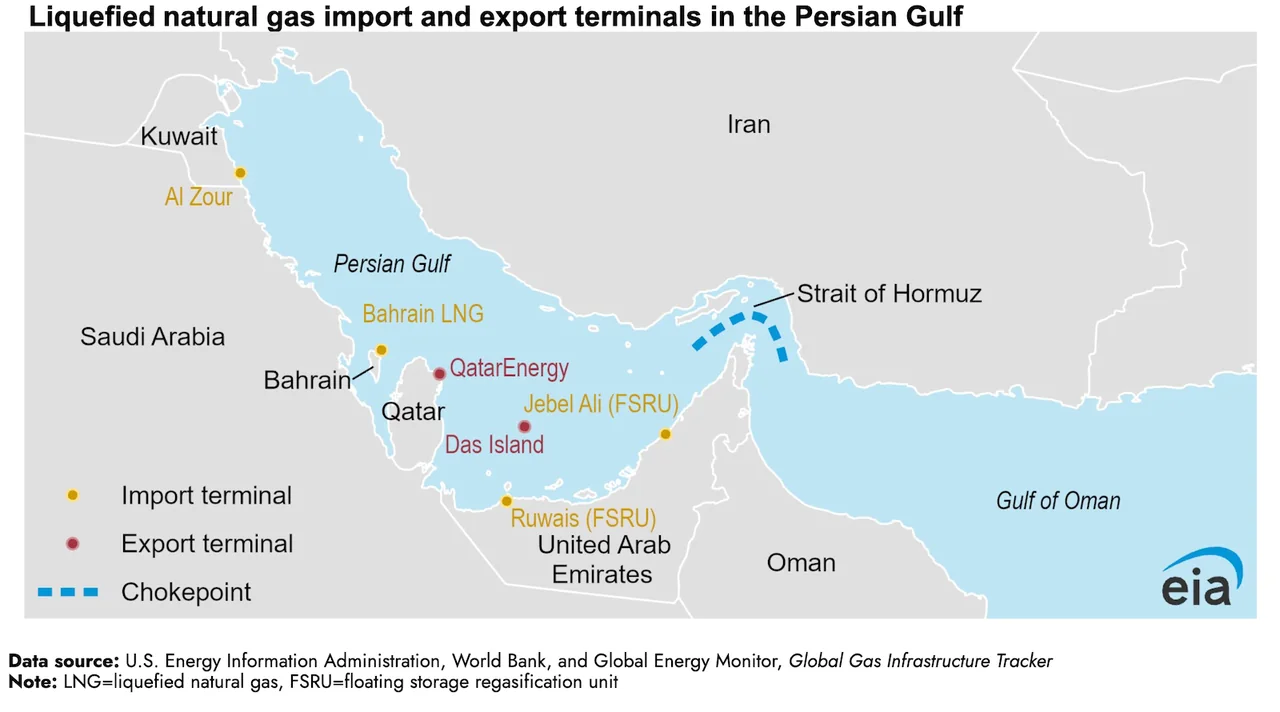
The Strait of Hormuz, one of the world's most critical oil shipping lanes, has been closed due to tensions in the region, reducing global oil flows by approximately 11 million barrels a day. While some measures have been taken to offset this loss, a net shortfall of around 9 million barrels a day is expected, equivalent to the daily consumption of several major economies.
The situation is further complicated by the fact that liquefied natural gas (LNG) has no alternative routes to market and limited strategic stockpiles to cushion the shortage. This lack of diversification makes LNG even more vulnerable to disruptions in global energy supply chains.
The longer the Strait of Hormuz remains closed, the greater the risk that key energy production assets are damaged in the conflict, which could result in a prolonged impact on supply. Already, parts of the world's largest LNG plant have sustained missile damage, with repairs expected to take up to five years.
If the Strait of Hormuz stays closed well into the second quarter, oil prices are likely to surge sharply higher. A recent report suggests that at $170 a barrel, the impact on inflation and growth roughly doubles, potentially triggering a stagflationary shock that could have significant implications for central banks and economic outcomes.
A video call scheduled for March 30 will bring together Group of Seven energy and finance ministers, as well as officials from several central banks, the IEA, the International Monetary Fund, and the World Bank. This gathering highlights the growing concern among policymakers about the potential impact of a prolonged oil supply disruption on the global economy.
For now, oil prices have not yet reached panic levels, with futures trading at around $116 a barrel, up 60% since the war began but still far below the all-time high of $147.50 set in 2008. European natural gas prices have also increased significantly, but remain below the peaks seen during the 2022 energy crisis.
The assumption that US policymakers will intervene to mitigate the impact of a potential oil price surge is a key factor contributing to current market stability. However, this assumption may not hold if the situation continues to deteriorate, and further action becomes necessary to stabilize global energy markets.
As the situation unfolds, it is essential for policymakers and market participants to remain vigilant and proactive in addressing the potential risks associated with a surge in oil prices. The consequences of inaction could be severe, making timely intervention critical to mitigating the impact on the global economy.
A surge in oil prices could have far-reaching consequences for the global economy.