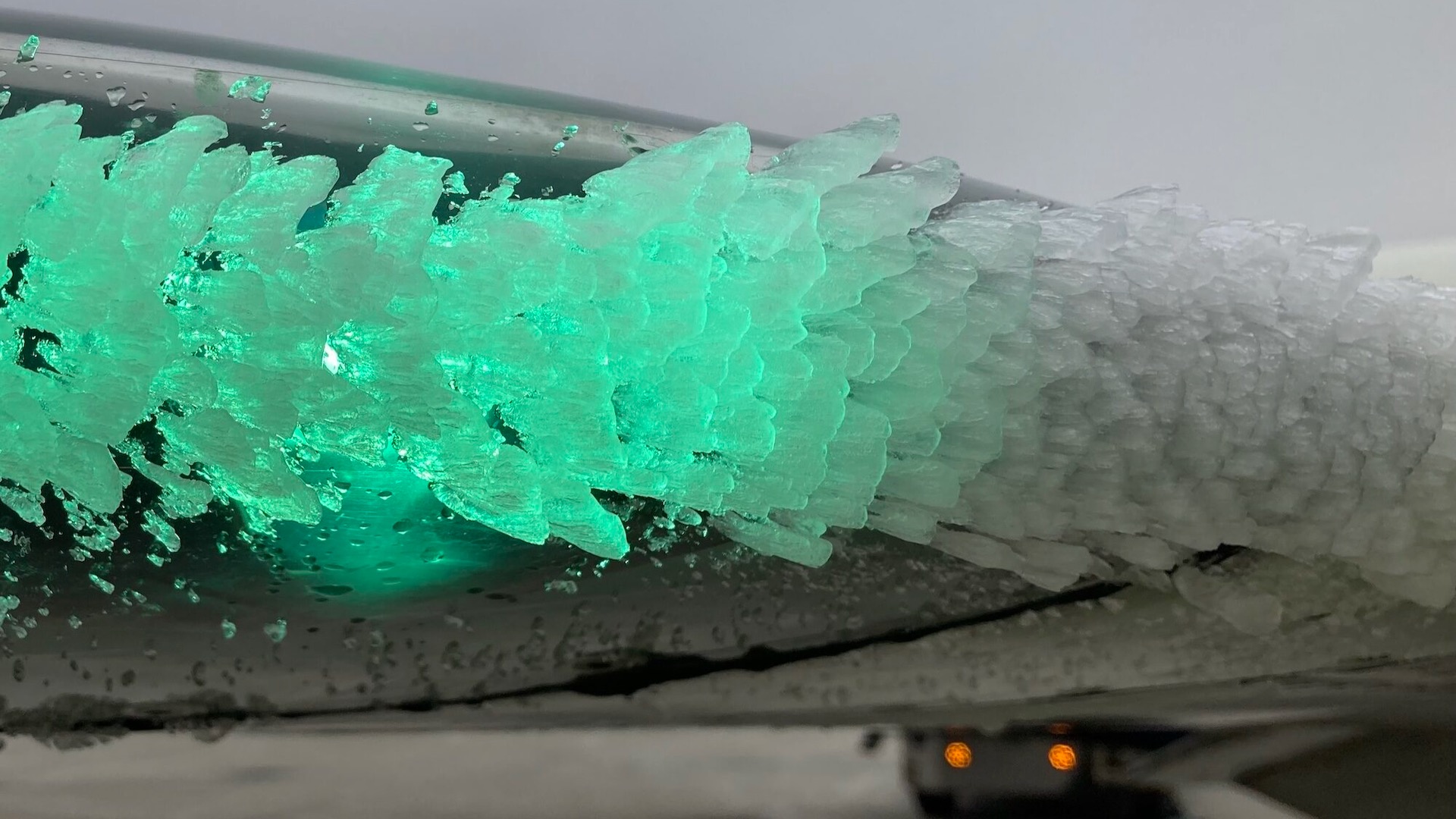
University of Michigan researchers have developed a pair of new sensors that could help cars detect ice and freezing rain before it becomes a problem. The sensors, inspired by the challenges of measuring moisture in Martian soil, use microwave signals and infrared lasers to gauge the amount of water and ice in the air.
This technology has the potential to reduce the risk of car crashes caused by ice on roads, which account for about 20% of weather-related accidents per year. By slowing down when a slippery road is detected, drivers can reduce their risk of serious injury by half.
The sensors were tested in an airplane and a light business jet, but researchers believe they could be applied to cars as well. With the potential to save lives, this technology has the potential to make roads safer for everyone.
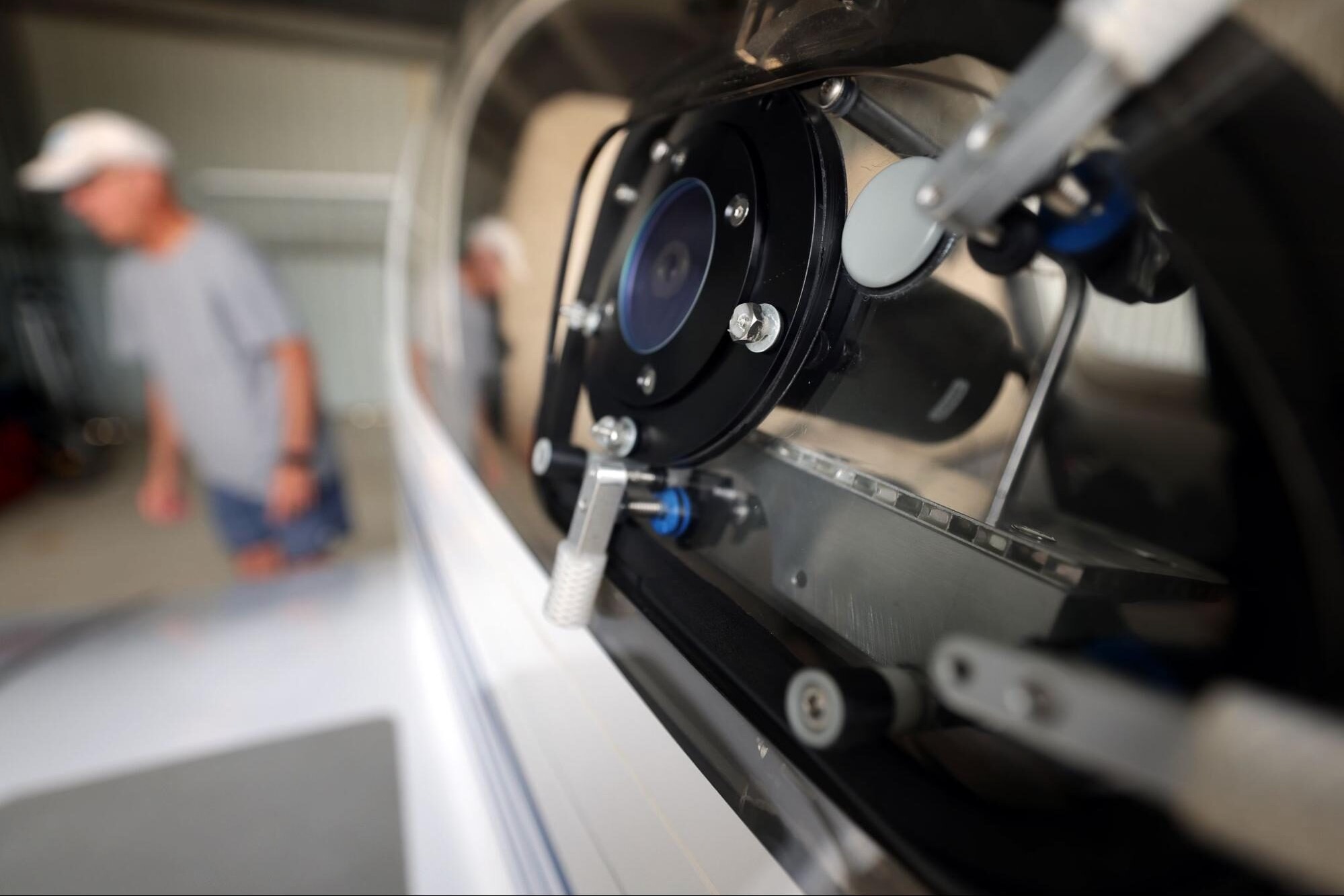
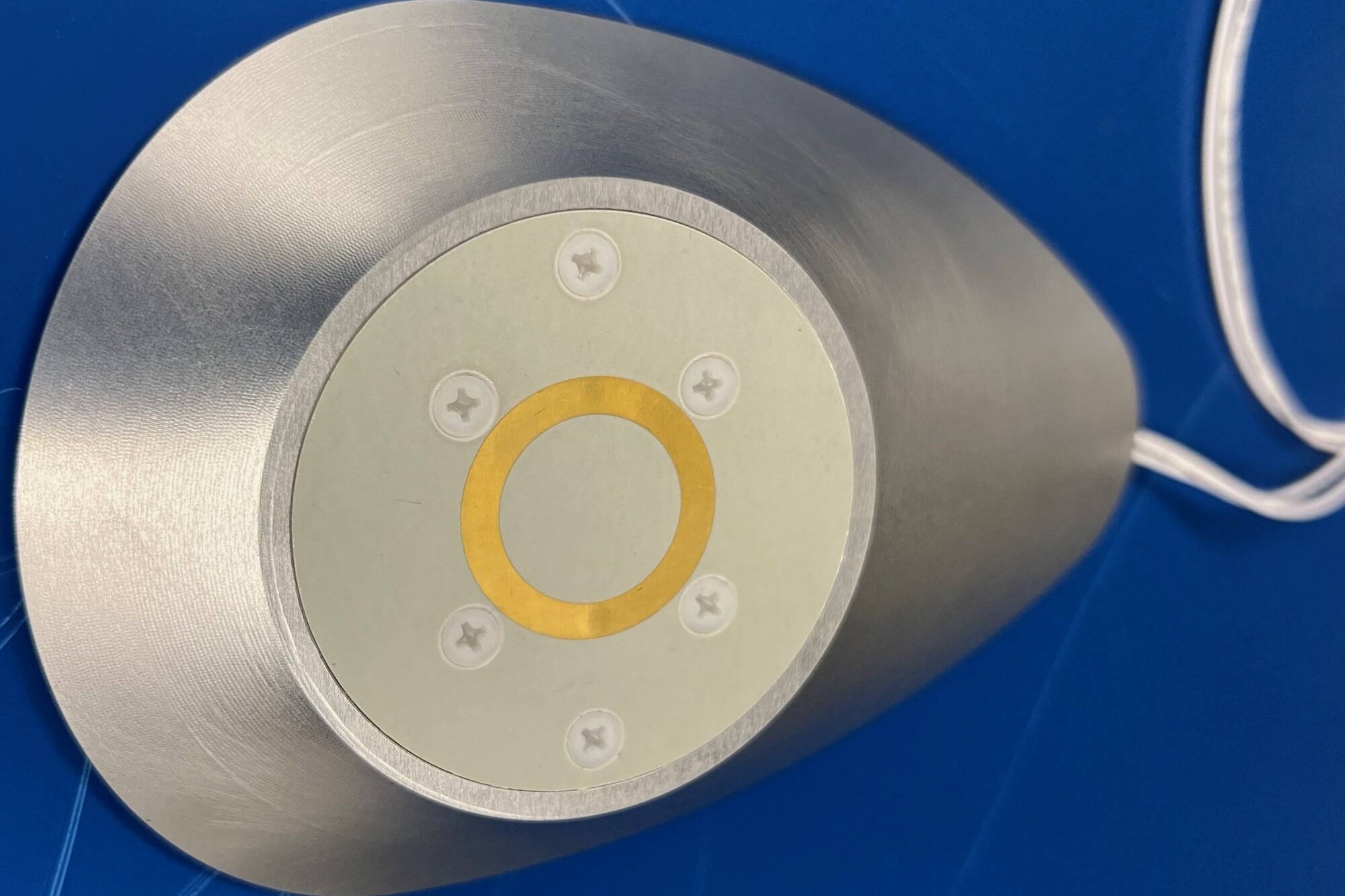
The sensors use a microwave signal that changes when covered with water or ice, and a second sensor fires three infrared lasers with different wavelengths to gauge the mix of both in the air. The third laser determines the size of water droplets.
According to U-M, slowing down by 4-9 mph can significantly reduce the risk of serious injury in a crash. This technology has the potential to revolutionize the way we approach road safety and could be a game-changer for drivers.
By providing an early warning system for ice and freezing rain, these sensors could help prevent accidents and save lives.
This technology has the potential to make roads safer by providing drivers with critical information about slippery road conditions. With the ability to detect ice and freezing rain before it becomes a problem, drivers can take necessary precautions to slow down and reduce their risk of serious injury in a crash.