

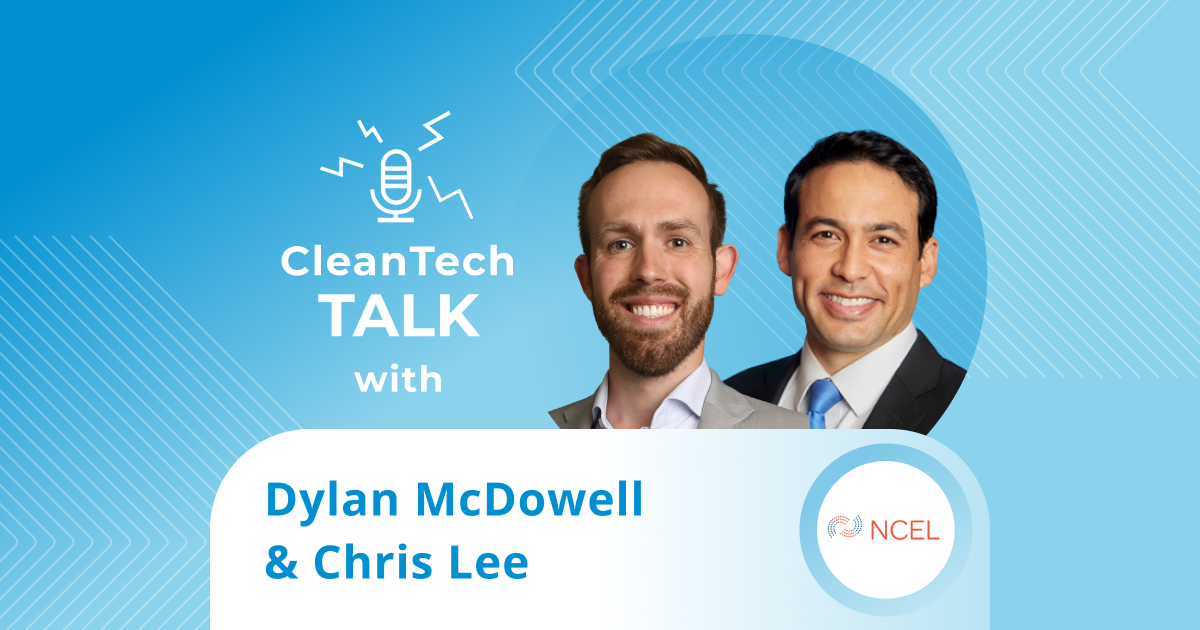
The clean energy transition is gaining momentum in the United States, with state-level action playing a crucial role in shaping the country's future. As Dylan McDowell, CEO of the National Caucus of Environmental Legislators (NCEL), and Hawai‘i State Senator Chris Lee explain, state governments are taking proactive steps to promote renewable energy and reduce greenhouse gas emissions.
This hands-on approach is yielding tangible results, with many states setting ambitious targets for clean energy adoption. For instance, California aims to generate 60% of its electricity from renewable sources by 2030, while New York has set a goal of powering 70% of its homes with clean energy by 2030.
The NCEL and Senator Lee's efforts highlight the importance of grassroots advocacy in driving policy change at the state level. By engaging with lawmakers and constituents, environmental groups can influence legislation that supports clean energy initiatives.

One key trend defining the 2026 legislative landscape is the increasing focus on community solar programs. These initiatives enable individuals and businesses to invest in renewable energy projects, generating clean power while also promoting energy equity and access.
Senator Lee notes that Hawai‘i's unique geography presents both opportunities and challenges for clean energy development. The state aims to generate 100% of its electricity from renewable sources by 2045, with a focus on solar and wind power.
The NCEL has been working closely with Senator Lee to advance clean energy policies in Hawai‘i. Their efforts have resulted in the passage of several key bills, including one that establishes a state-wide renewable portfolio standard.
As the clean energy transition accelerates, it is essential for states to prioritize coordination and cooperation with neighboring jurisdictions. This can be achieved through regional initiatives and agreements that promote shared goals and best practices.
The success of state-level clean energy efforts depends on continued investment in research and development, as well as infrastructure upgrades. Governments must also address the social and economic implications of this transition, ensuring that all communities benefit from the benefits of clean energy.
Ultimately, the clean energy future will be shaped by the collective actions of states across the United States. By working together and embracing innovative solutions, we can create a more sustainable and equitable energy system for generations to come.