

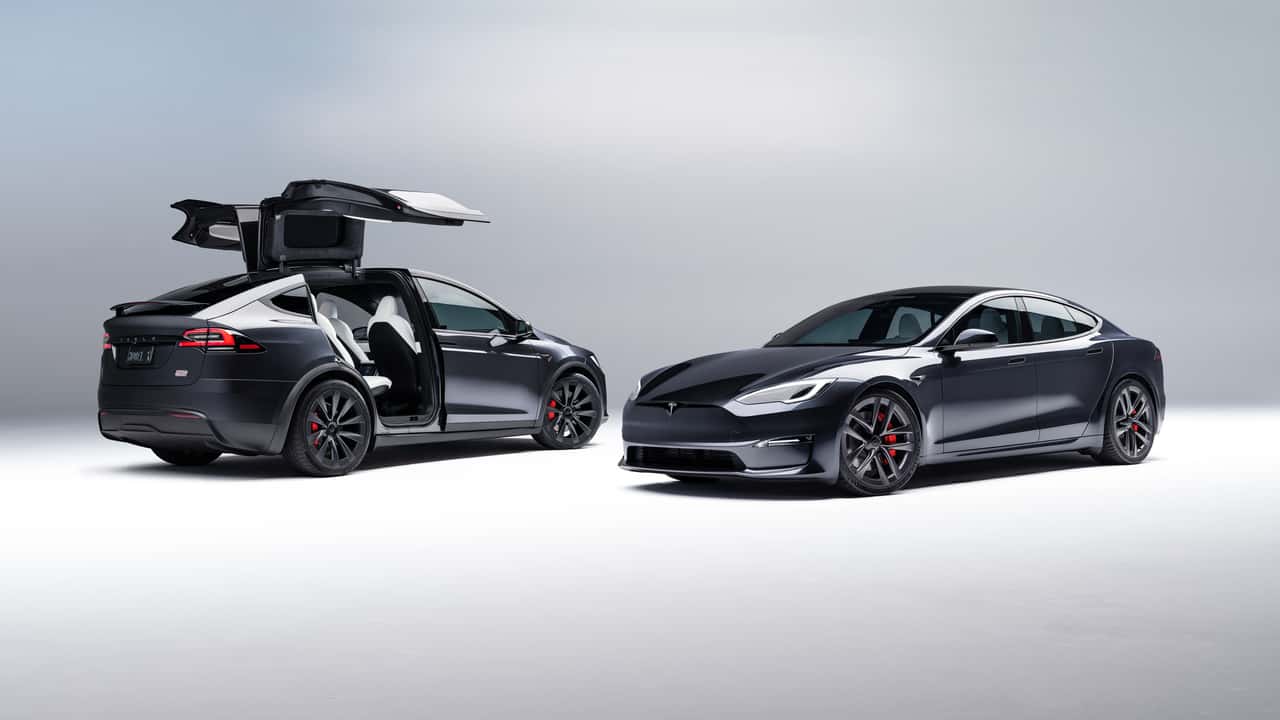
The automotive world has witnessed the demise of a legendary duo, marking the end of an era for electric vehicles as we knew it. The Tesla Model S and Model X, once pioneers in modern EV design, have officially come to a close. This iconic pair set the standards for range, comfort, and performance that many subsequent models strive to match. Their absence will undoubtedly be felt by enthusiasts and industry observers alike.
The Model S and Model X were first introduced to the market in 2012 and 2015 respectively, revolutionizing the electric vehicle landscape with their impressive capabilities. These vehicles boasted exceptional range, comfort, and performance, making them a benchmark for other manufacturers to follow. As a result, they attracted a loyal following among EV enthusiasts and helped shape the direction of the industry.
Tesla's innovative approach to electric vehicle design played a significant role in popularizing EVs among the masses. The Model S and Model X were instrumental in breaking down barriers and challenging conventional wisdom about what an electric car could be. Their success paved the way for other manufacturers to explore new technologies and designs, ultimately contributing to the growth of the EV market.
The demise of the Model S and Model X serves as a reminder that even the most iconic models can become obsolete over time. As technology advances and consumer preferences shift, companies must adapt to stay competitive. In this case, Tesla has shifted its focus towards newer models like the Model 3 and Model Y, which have proven to be highly successful in their own right.
The impact of the Model S and Model X's retirement will be felt across various industries, from automotive manufacturing to energy storage and renewable energy. As demand for EVs continues to grow, companies must invest in new technologies and designs to meet evolving consumer expectations. The legacy of these models will continue to inspire innovation and progress in the industry.
While the end of an era is a sad moment for enthusiasts, it also presents opportunities for growth and renewal. As Tesla moves forward with its existing product lineup, we can expect to see continued advancements in EV technology and design. This shift towards new models also underscores the importance of adaptability and innovation in the automotive industry.
The retirement of the Model S and Model X marks a significant milestone in the evolution of electric vehicles. As the industry continues to mature, we can expect to see even more impressive technologies and designs emerge. The lessons learned from these iconic models will undoubtedly shape the future of EVs and inspire new generations of car enthusiasts.
In the end, the demise of the Model S and Model X serves as a testament to the ever-changing nature of the automotive industry. As consumer preferences shift and technology advances, companies must be willing to adapt and evolve to remain competitive. The legacy of these models will continue to inspire innovation and progress in the industry for years to come.
As we bid farewell to these iconic models, we are reminded of the significant impact they had on the automotive landscape. Their influence can still be seen in newer EV designs and technologies, and their legacy will undoubtedly continue to shape the future of electric vehicles.