



Diesel exhaust fluid (DEF) is a critical component in reducing emissions from large diesel engines, but its effectiveness is hindered by extremely low temperatures. At 12 degrees Fahrenheit, DEF freezes, rendering it ineffective at neutralizing nitrogen oxides (NOx) and other pollutants. This limitation has significant implications for the operation of heavy-duty trucks in cold climates.
The primary function of DEF is to facilitate the reduction of NOx emissions through Selective Catalytic Reduction (SCR). However, when temperatures drop below freezing, the liquid DEF fails to vaporize and neutralize these pollutants, leading to decreased engine performance and potentially triggering limp mode. This can result in reduced fuel efficiency, increased emissions, and compromised safety.
Modern diesel engines continue to dominate the heavy-duty truck market due to their enhanced efficiency and fuel economy. Nevertheless, the presence of NOx emissions remains a pressing concern, necessitating the use of advanced technologies like SCR and DEF systems. Despite these advancements, the limitations of DEF in extreme cold temperatures pose significant challenges for operators in regions with frequent subzero conditions.

The built-in heater within the DEF tank is designed to maintain a liquid state, but its effectiveness is compromised when the vehicle is parked for extended periods in extremely cold environments. Even if the engine is running, the heater may struggle to keep up with the rapid cooling of the fluid, leading to premature freezing and reduced system performance.
Truckers operating in regions with frequent subzero temperatures often experience issues with their DEF systems, including failure warnings and reduced engine performance. In some cases, these problems can be mitigated by parking the vehicle in a heated garage or using aftermarket heating solutions like warming blankets.
While it may seem beneficial to add antifreeze to the DEF tank, this practice is actually detrimental to the system's functionality. The addition of antifreeze compromises the specific mixture of non-toxic ingredients used to manufacture DEF, potentially causing damage to the system and reducing its effectiveness.

The consequences of DEF failure in extreme cold temperatures can be severe, including decreased engine performance, increased emissions, and compromised safety. Operators must take proactive steps to mitigate these risks, such as parking their vehicles in heated garages or using aftermarket heating solutions.
In addition to these measures, manufacturers could explore the development of more advanced DEF systems that can operate effectively in extreme cold temperatures. This might involve the use of alternative materials or designs that can withstand the freezing point of 12 degrees Fahrenheit without compromising system performance.
Ultimately, the limitations of DEF in extreme cold temperatures highlight the need for continued innovation and investment in diesel emissions technology. By addressing these challenges, operators and manufacturers can work towards creating more efficient, effective, and safe heavy-duty truck systems.
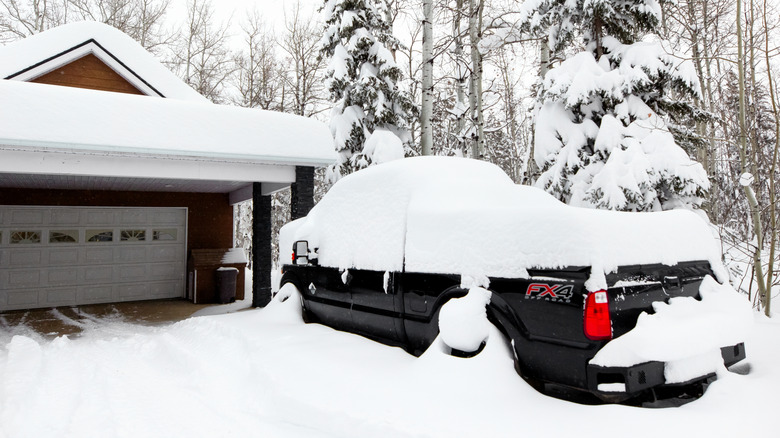
The use of diesel exhaust fluid (DEF) systems in extreme cold temperatures poses significant challenges due to its freezing point and the limitations of built-in heaters.