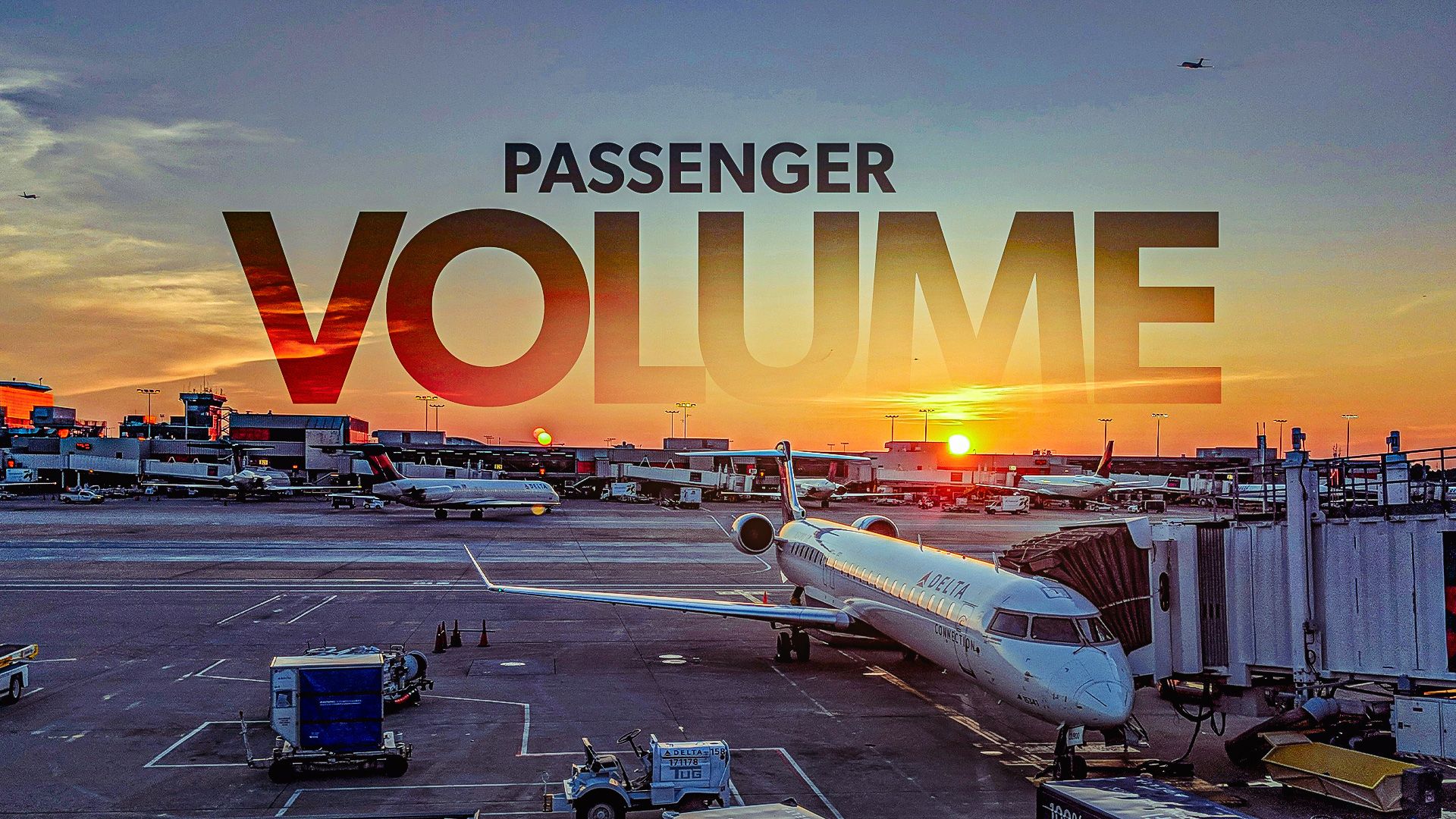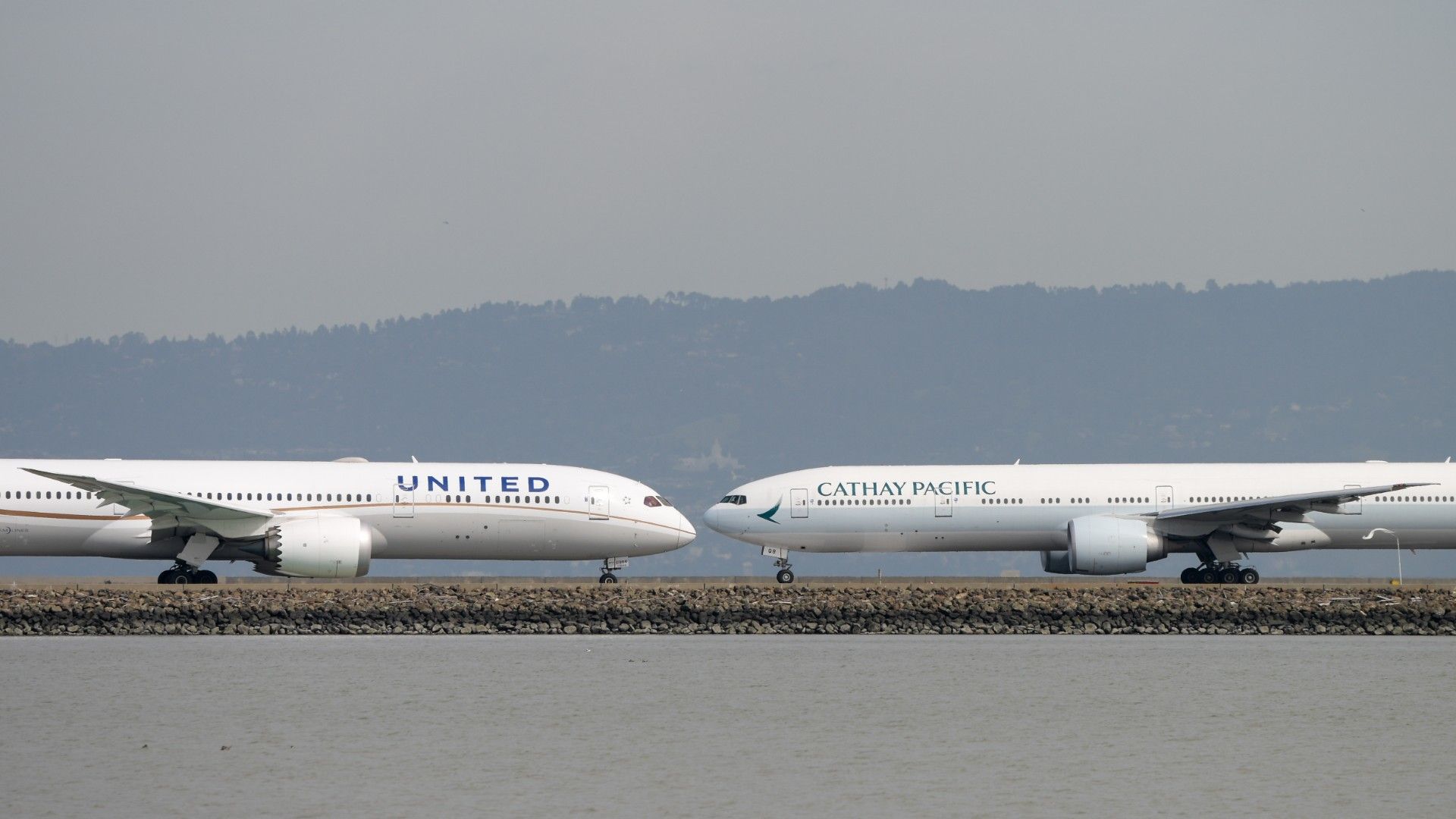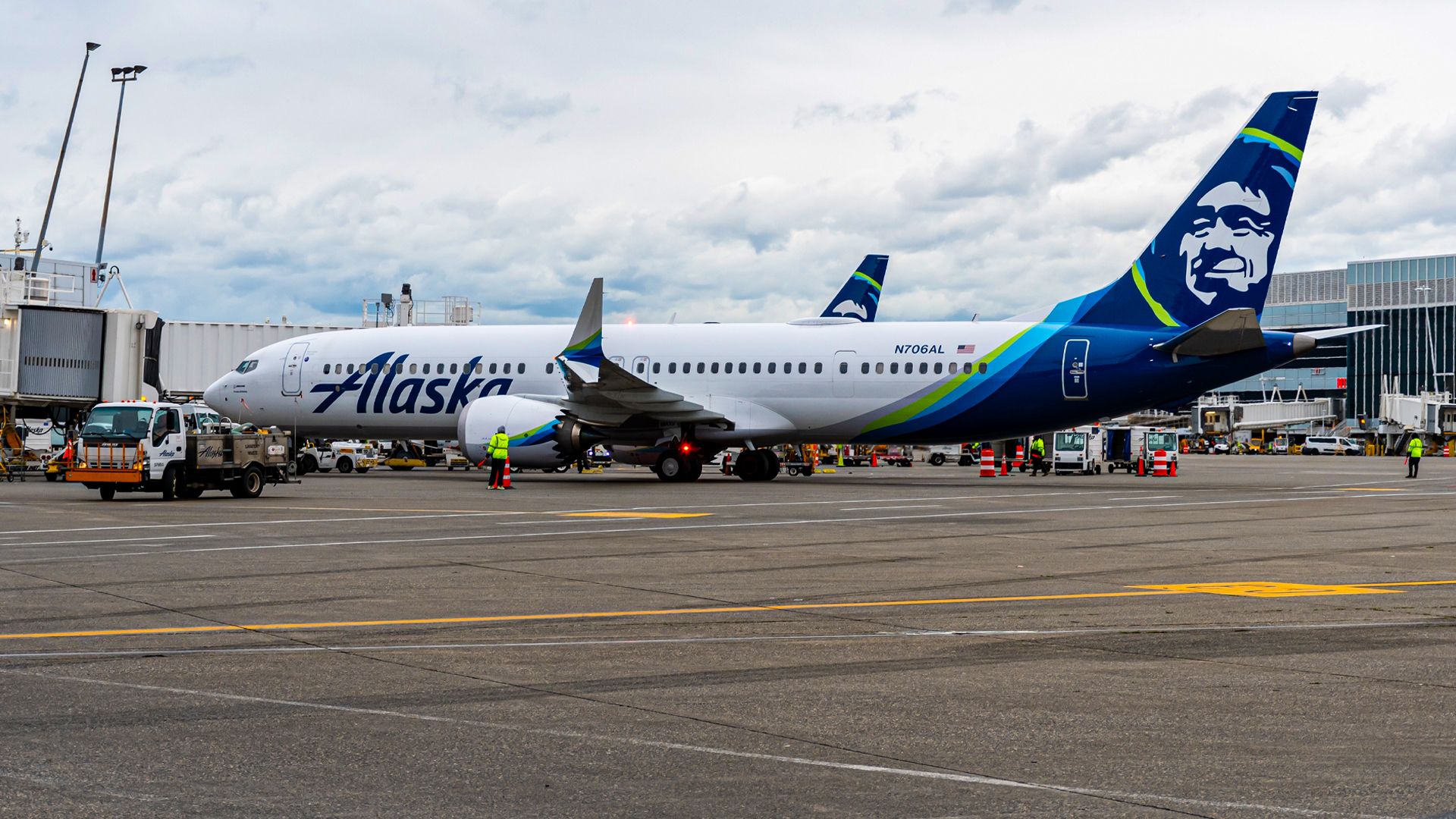

The airline industry is undergoing a significant shift, with major carriers like Delta Air Lines and United Airlines placing a strong emphasis on passenger experience. This focus on comfort, connectivity, and consistency has led to a reevaluation of traditional business strategies, including the role of in-flight entertainment and internet access. American Airlines, once known for its streamlined and cost-efficient approach, is now being forced to reassess its own priorities in light of these changes.
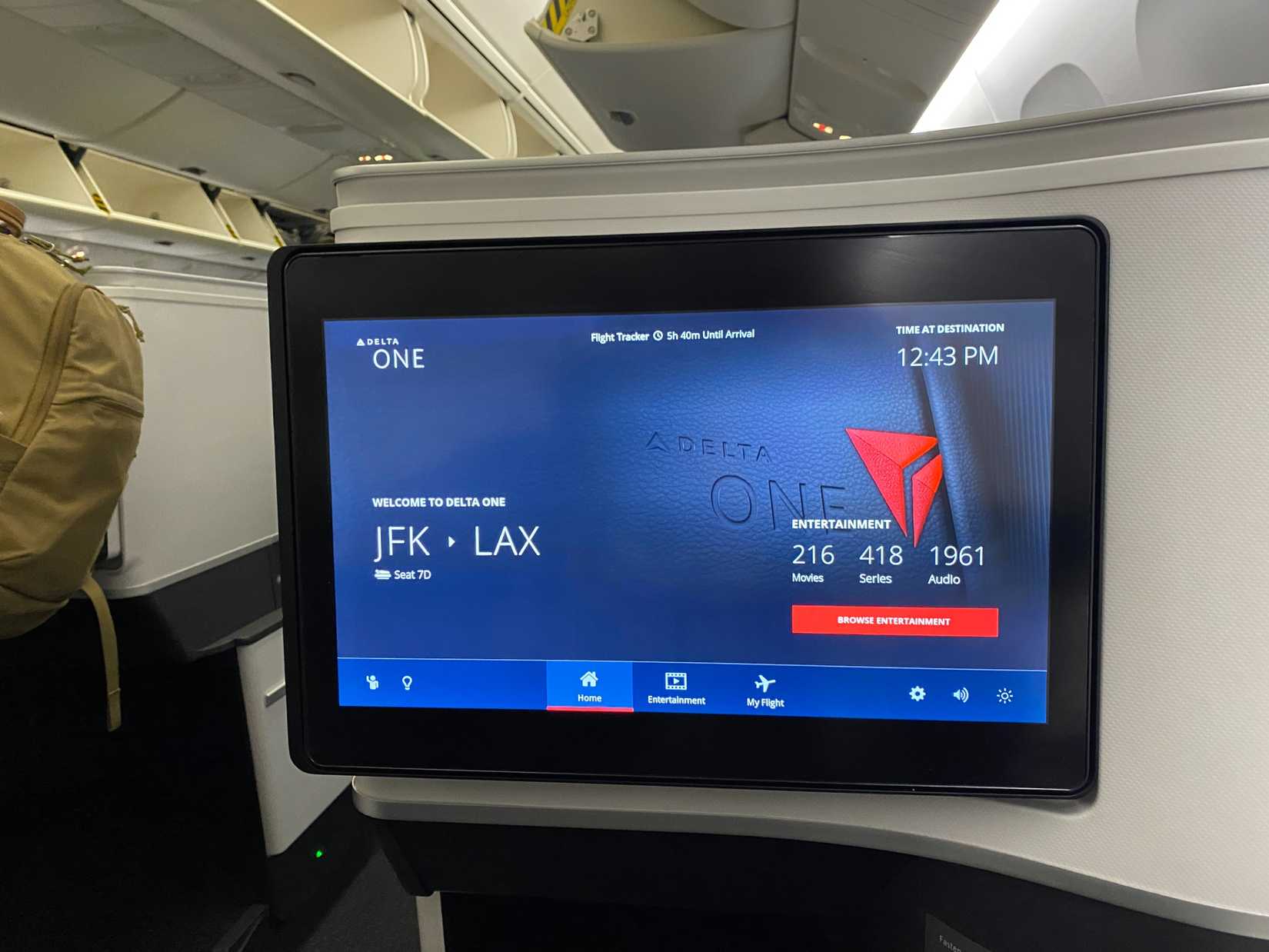
Delta Air Lines has taken a clear lead in this area, investing heavily in free Wi-Fi, upgraded seatback entertainment, and a broader premium-focused strategy. Meanwhile, United Airlines is pushing ahead with a wide-ranging cabin overhaul centered on higher-end seating and product differentiation. These efforts have resulted in significant commercial success for the two carriers, which now account for around 60% of Delta's total revenue.
The shift towards more premium offerings has also led to improved margins for both airlines, with United reporting record growth in premium seats flown in 2025. This trend is likely to continue as American Airlines considers its own response to these changes. The airline's 2026 guidance frames four key pillars: a consistent customer experience, better use of the network and fleet, deeper loyalty partnerships, and improved sales and revenue management.
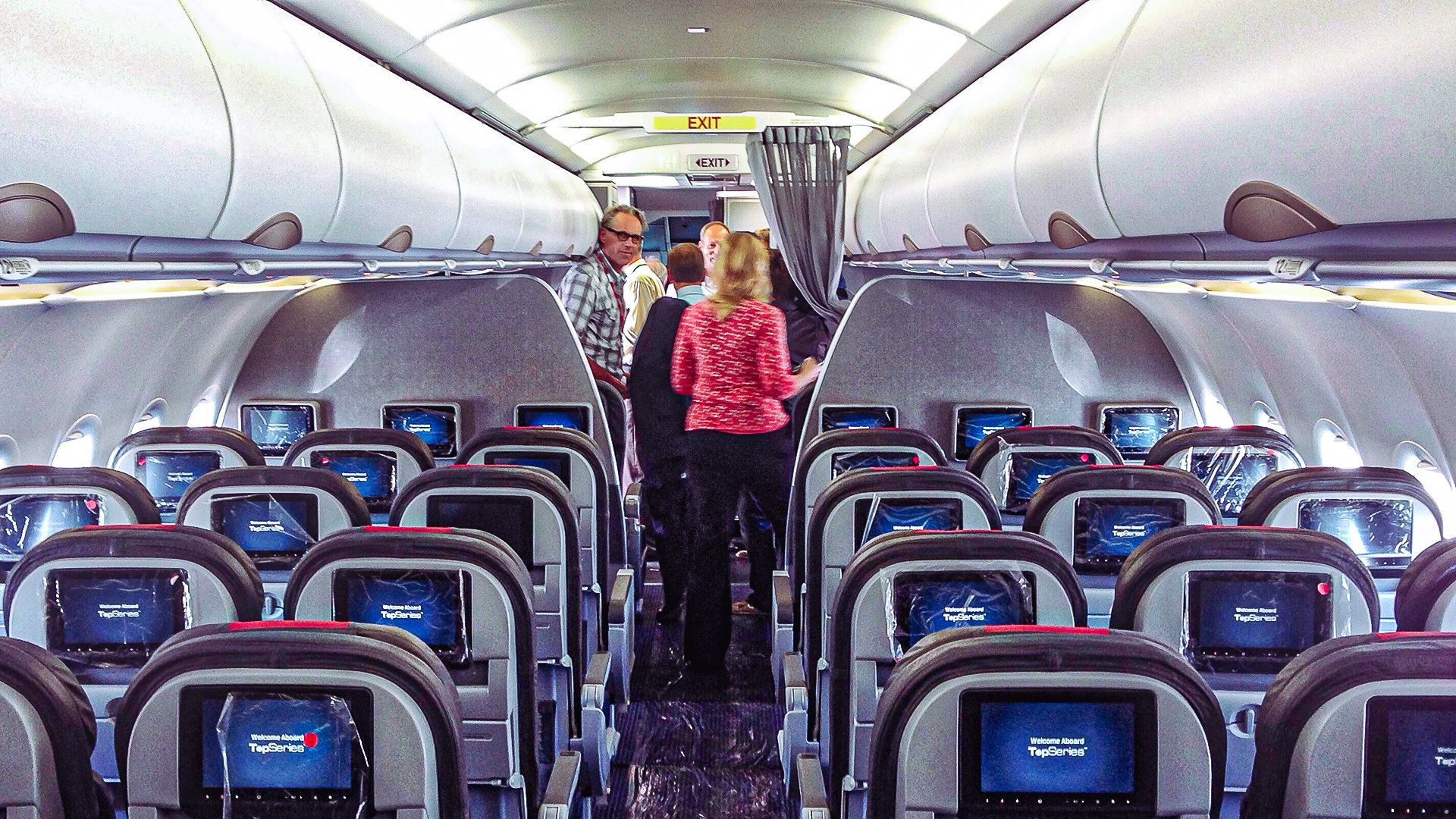
However, this new approach also means that American Airlines must confront an older philosophy that prioritized operational cost and simplification over passenger comfort. The airline's long-standing bet on streaming rather than embedded seatback entertainment is now being called into question as it weighs the benefits of upgrading its own cabins.
The pressure on American Airlines to adapt comes at a time when the industry is facing significant challenges, including rising oil prices and geopolitical tensions. Nevertheless, the commercial success of Delta and United has made comfort, connectivity, and consistency an essential part of their brand identities.
As a result, American Airlines must now balance its own turnaround strategy with the need to respond to changing market conditions. The airline's decision on in-flight entertainment and internet access will have significant implications for its overall passenger experience and competitiveness.
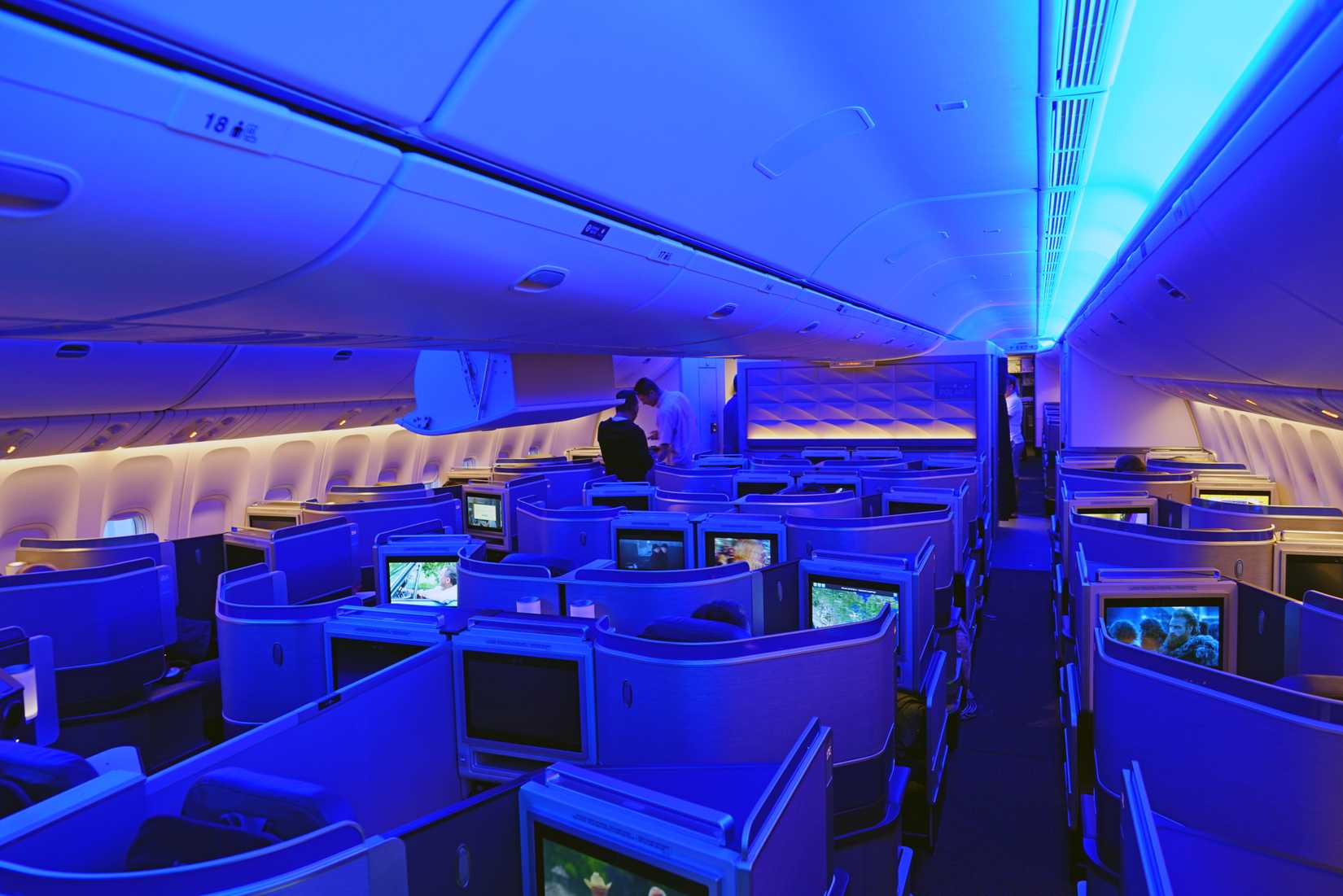
The trend towards more premium offerings is likely to continue as airlines seek to differentiate themselves from one another. United, in particular, has made premium cabin growth a centerpiece of its fleet and interior strategy, with around 12% of all flown seats now classified as premium.
In contrast, American Airlines' own approach remains focused on operational efficiency and cost savings. However, this may no longer be sufficient to drive long-term success in a market where passenger experience is increasingly paramount.
The outcome of this shift will have far-reaching implications for the airline industry as a whole, with American Airlines at the forefront of this transformation.

Delta and United's investments in passenger experience have created pressure on American Airlines to reconsider its own product choices.