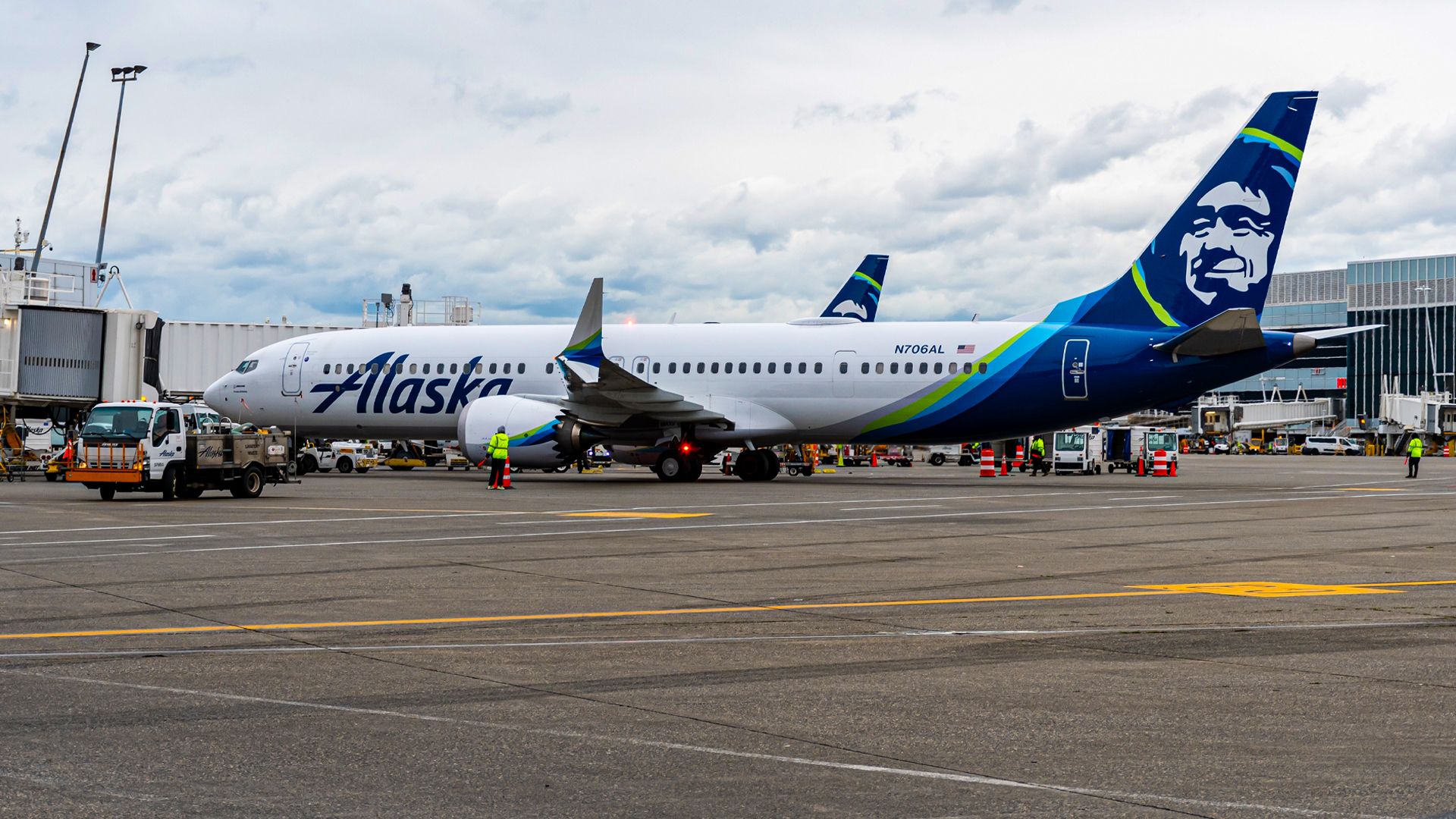
The Boeing 737 MAX has endured one of the most turbulent chapters in modern aviation history, yet it continues to play a central role in airline fleets around the world. Following its global grounding in 2019, many observers questioned whether the aircraft could ever fully recover. However, in the years since its return to service, the 737 MAX has steadily rebuilt trust among regulators, airlines, and passengers, reestablishing itself as a key player in the narrowbody market.
The strength of its ongoing demand is perhaps most remarkable, with airlines continuing to place orders, expand their fleets, and rely on the Boeing 737 MAX as a core component of their operations. As Boeing works to stabilize production and increase output, the aircraft's popularity remains evident. To understand why, it is necessary to examine both the aircraft itself and the broader industry dynamics that have sustained its appeal.
The Boeing 737 MAX represents the latest evolution of the highly successful Boeing 737 program, a series of aircraft that dates back to the late 1960s and has become the best-selling commercial aircraft in history. Rather than designing an entirely new aircraft, Boeing chose to build on the existing 737 design, offering airlines an updated product that would retain operational familiarity while delivering improved performance.
The program was officially launched in 2011 as a direct response to the success of the Airbus A320neo family. This strategic move allowed Boeing to capitalize on the demand for more efficient narrowbody aircraft without starting from scratch. By leveraging its existing expertise and design knowledge, Boeing was able to bring the 737 MAX to market with minimal disruption.
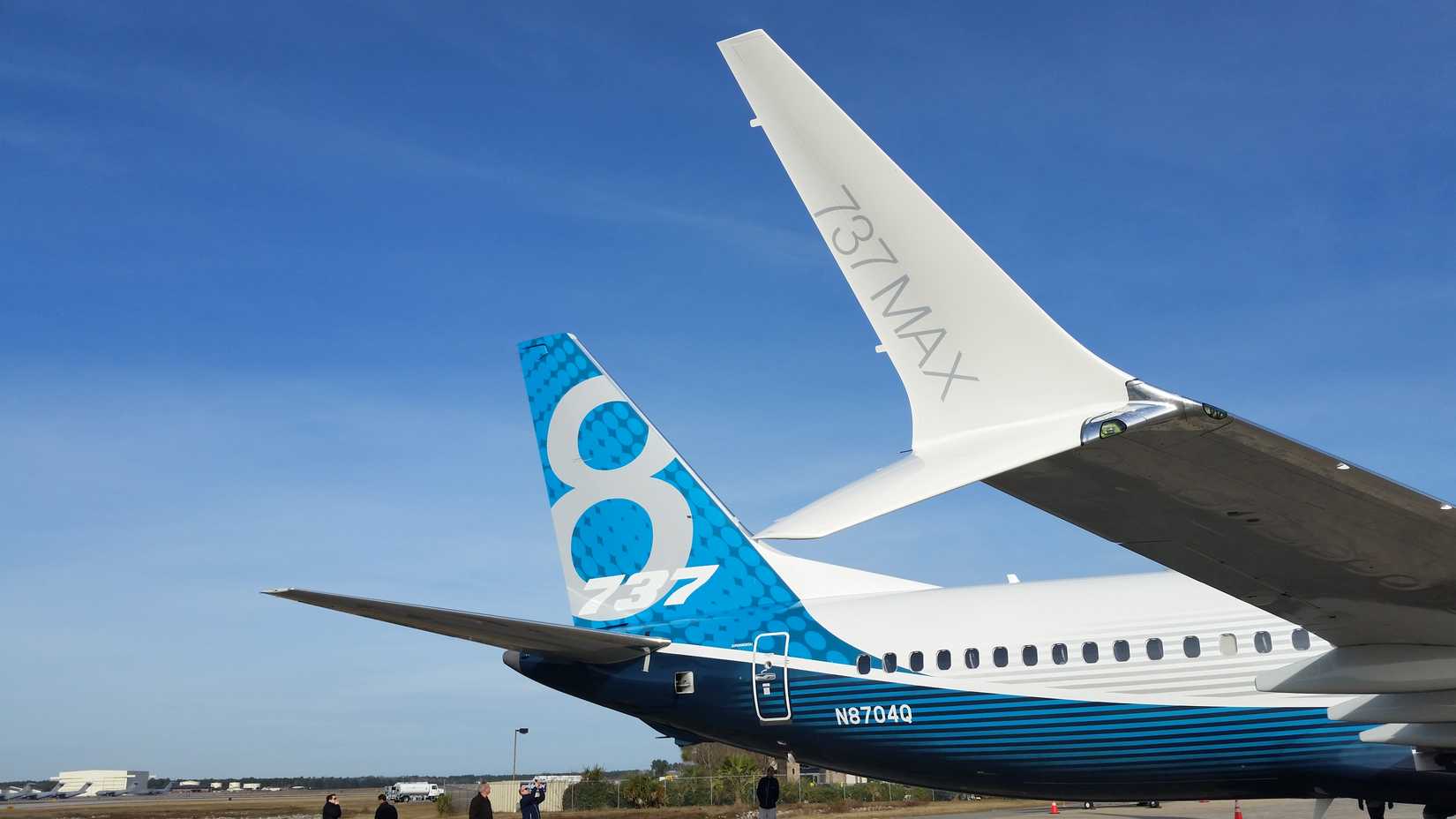
The Boeing 737 MAX incorporates several key upgrades over previous generations, including the CFM LEAP-1B engines, which provide a substantial improvement in fuel efficiency and lower emissions. The aircraft also features advanced winglets, refined aerodynamics, and updated flight deck displays. These changes allow the 737 MAX to deliver better performance while maintaining a high degree of commonality with earlier 737 variants.
The Boeing 737 MAX family includes four main variants - the 737 MAX 7, 737 MAX 8, 737 MAX 9, and 737 MAX 10. The 737 MAX 8 is the most popular version, offering a strong balance of range and capacity that suits a wide range of airline operations. This versatility has enabled airlines to tailor their fleets without introducing entirely new aircraft types.
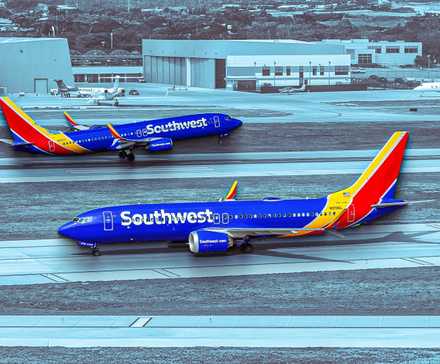
The 737 MAX's enduring popularity can be attributed to its ability to meet the evolving needs of the industry. By offering a range of variants with varying capacities and ranges, airlines are able to configure their fleets to suit specific routes and market demands. This flexibility has been particularly appealing in an era where airline operations are increasingly complex.
As Boeing continues to work on stabilizing production and increasing output, it is clear that the 737 MAX remains a vital component of the global aviation landscape. Its continued demand underscores the importance of efficient narrowbody aircraft in meeting the growing needs of airlines and passengers alike.
Despite its tumultuous past, the Boeing 737 MAX has regained the trust of regulators, airlines, and passengers through steady improvements.