
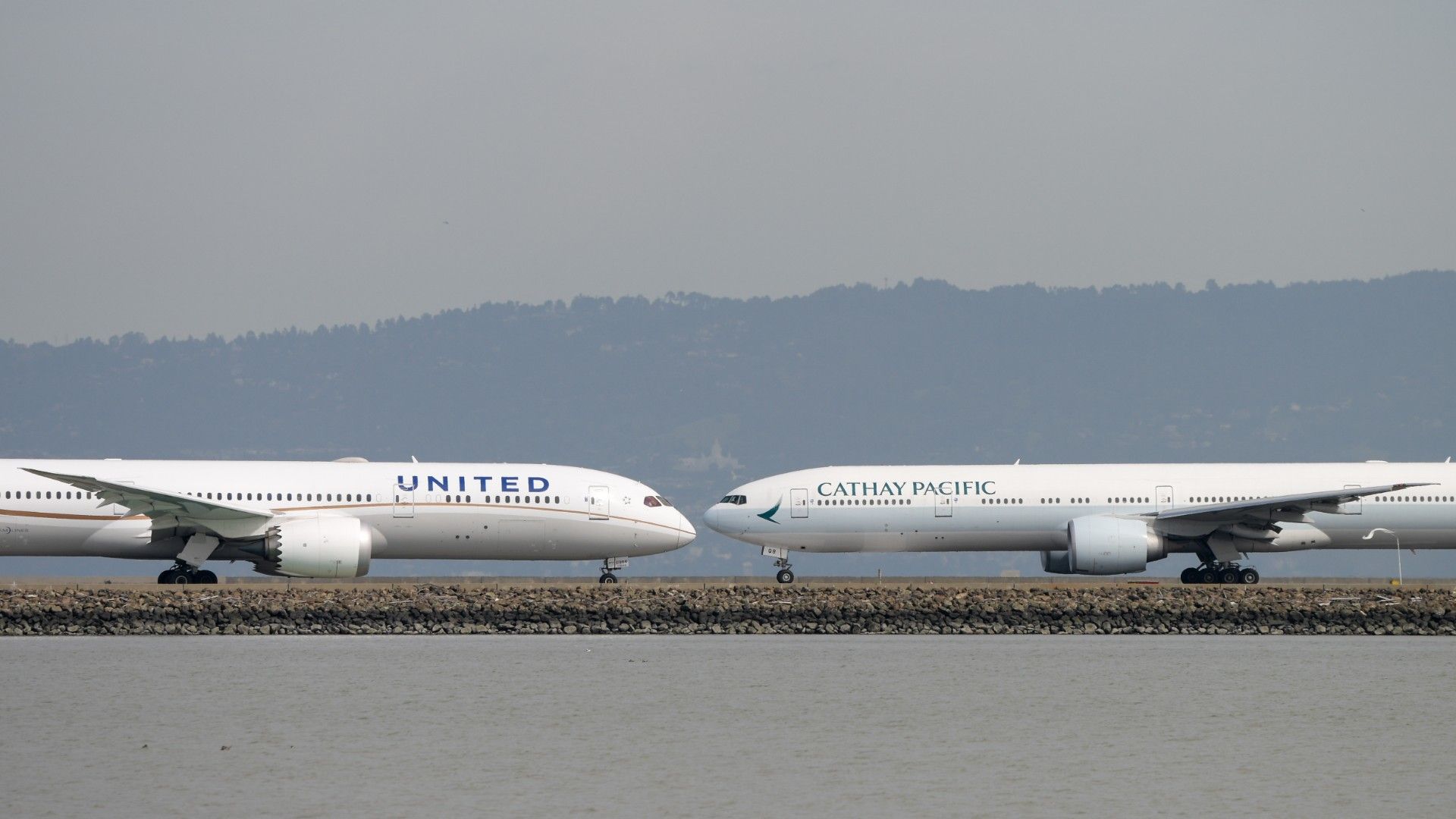
SFO's side-by-side landings have been a contentious issue, with the Federal Aviation Administration finally putting an end to the practice due to safety concerns. The agency determined that the current visual separation procedures no longer aligned with national safety policies, citing the need for more stringent measures to reduce near-misses and accidents.
The decision comes as part of a wider effort by the FAA to improve air traffic management and reduce the risk of collisions between aircraft. SFO's parallel east-west runways, 28L and 28R, are only 750 feet apart, which is closer than at any other major US hub, making this ban a significant departure from standard procedures.
The airport's congestion issues have been exacerbated by its status as the thirteenth busiest airport in the US. With over 60 million passengers passing through annually, SFO faces unique challenges in managing air traffic flow and ensuring safe distances between aircraft.
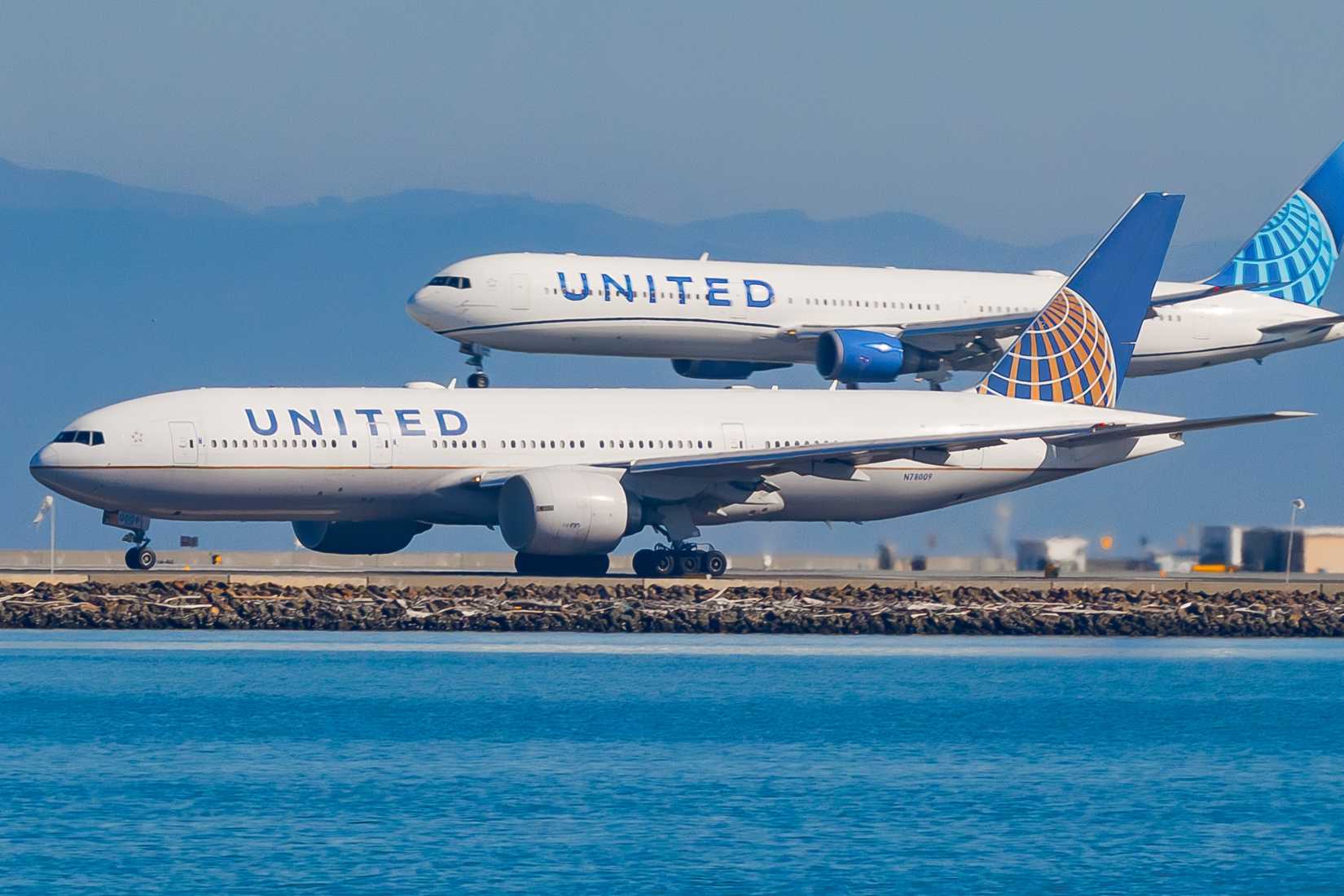
As part of its efforts to address these concerns, the FAA has implemented new safety measures, including radar-based separation at all major hubs. This move aims to deconflict helicopter traffic and jetliner flights, reducing the risk of mid-air collisions.
The impact of this ban will be felt across the airline industry, with SFO's largest operator, United Airlines, warning of higher congestion and flight disruptions. The airport's reduced arrival rates from 54 per hour to 36 per hour under the new guidance will result in a significant decrease in landing capacity, further straining air traffic flow.
The FAA has cited continued near-miss incidents as the basis for heightened safety measures. Recent close-calls at other airports, including San Antonio Airport and John Wayne Airport, have highlighted the need for more stringent safety protocols.
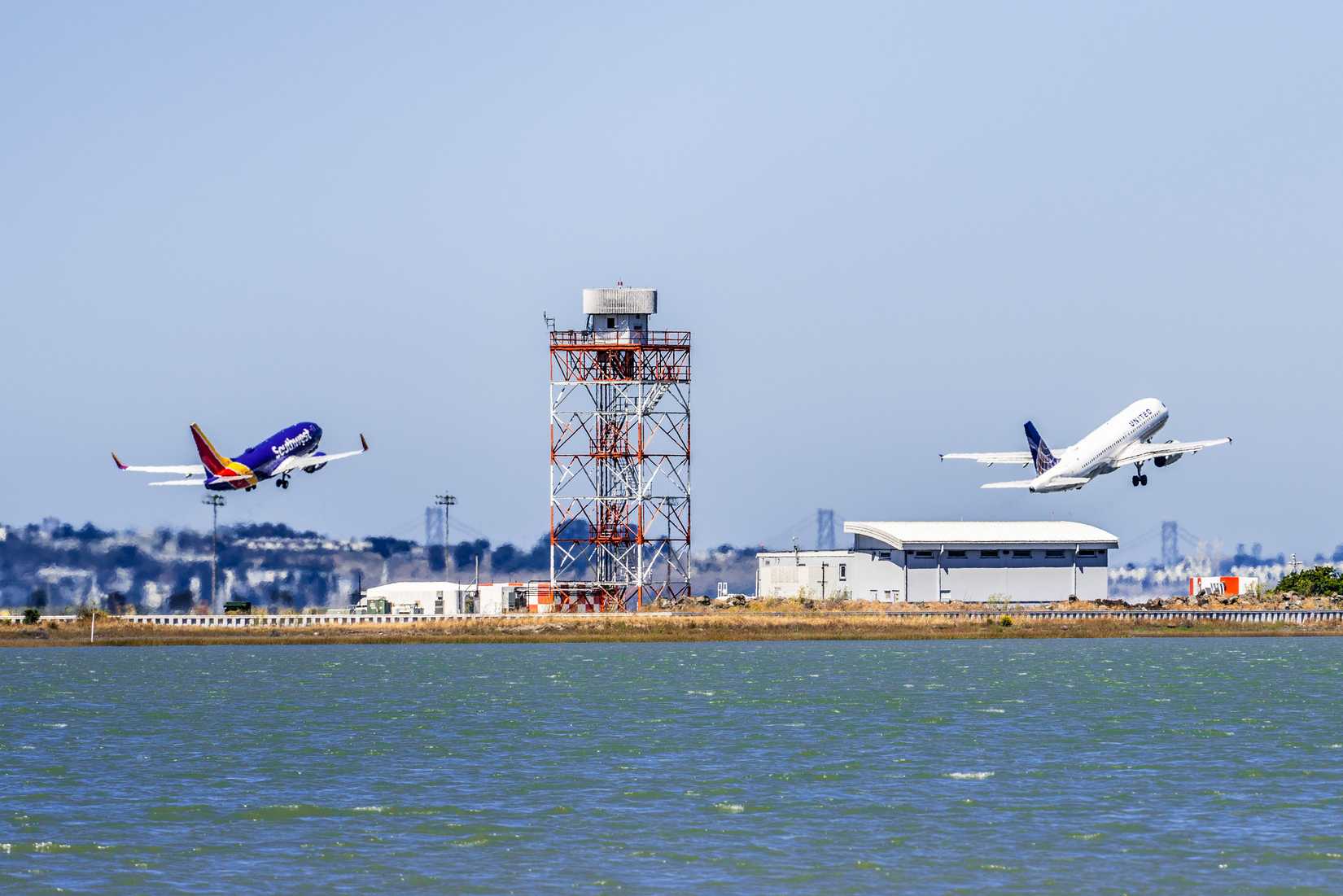
Investigation findings by the National Transportation Safety Board and the FAA identified systemic failures in the wake of a tragic crash involving PSA Airlines Flight 5342. The incident led to significant changes in air traffic management procedures, underscoring the importance of prioritizing safety above all else.
The ban on parallel landings at SFO serves as a reminder that even seemingly minor adjustments can have far-reaching consequences for passenger safety and airline operations. As the aviation industry continues to evolve, it is essential to prioritize safety and adapt to new challenges as they arise.
With six months of runway construction expected to impact air traffic, SFO's decision to cancel parallel landings will undoubtedly lead to increased delays and disruptions for travelers. The FAA's move to reduce near-misses and accidents highlights the ongoing commitment to improving air traffic management and ensuring a safer skies experience.
The FAA's decision to ban parallel landings at SFO highlights the growing concern over air traffic congestion and its impact on passenger experience.