


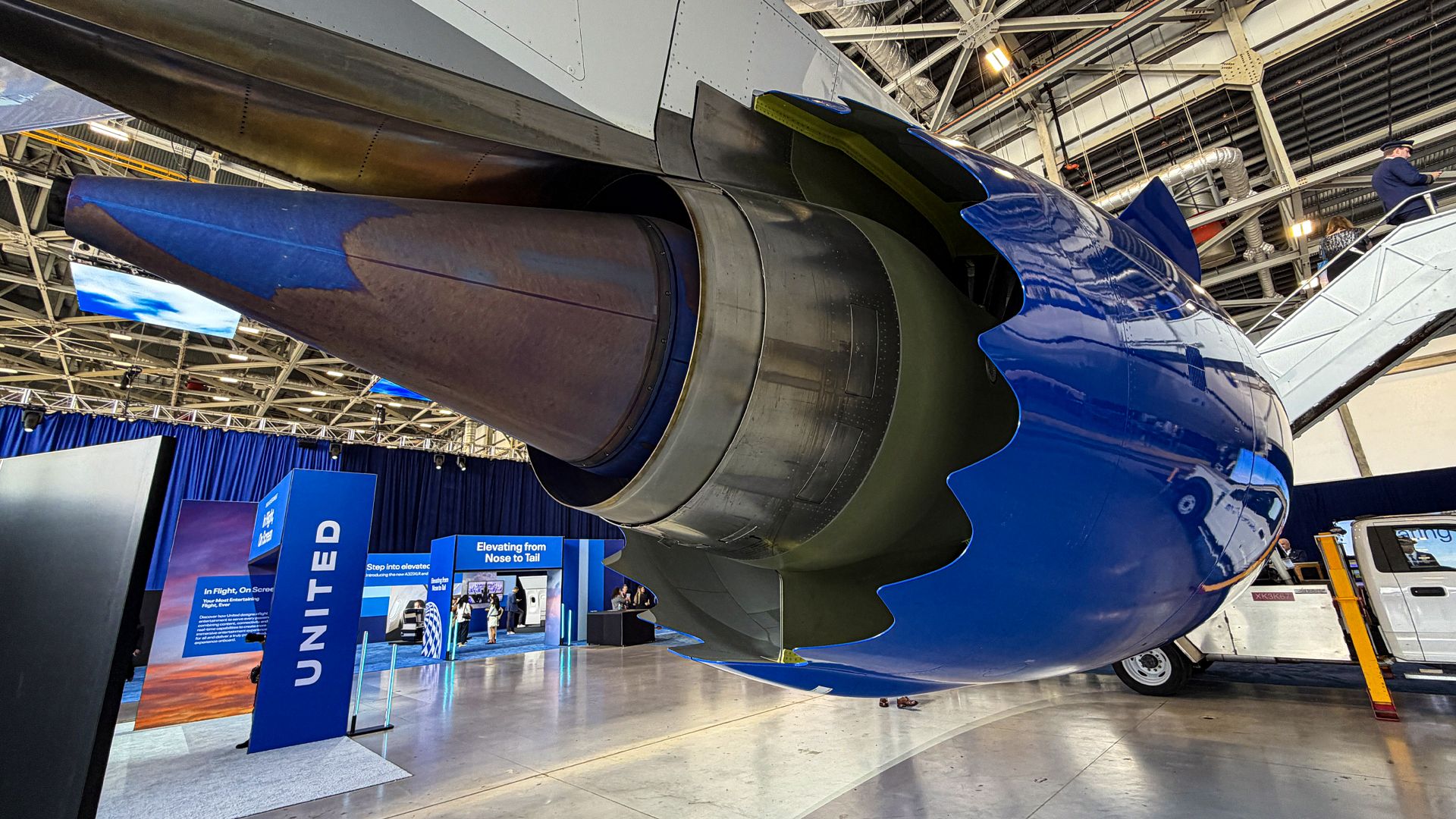
The primary driver of aircraft efficiency today is the engines, which have become increasingly powerful and efficient over time. While advances in aerodynamics and materials also contribute to reduced fuel burn, the engine remains the main determinant of an aircraft's fuel consumption. As a result, older planes equipped with new engines are often more competitive against clean-sheet designs.
During the early days of the Jet Age, manufacturers prioritized increasing power over fuel efficiency, but as technology has evolved, this focus has shifted. Today, the aviation industry is under pressure to reduce costs and emissions, driving innovation in engine design. Fuel remains one of the highest expenses for airlines, making efficient engines crucial.
The development of jet engines has been marked by significant advancements in turbofan design, which have enabled more powerful and efficient engines. Turbofans are now the most common type of engine used on commercial airliners, powering aircraft from small regional jets to large wide-body planes.
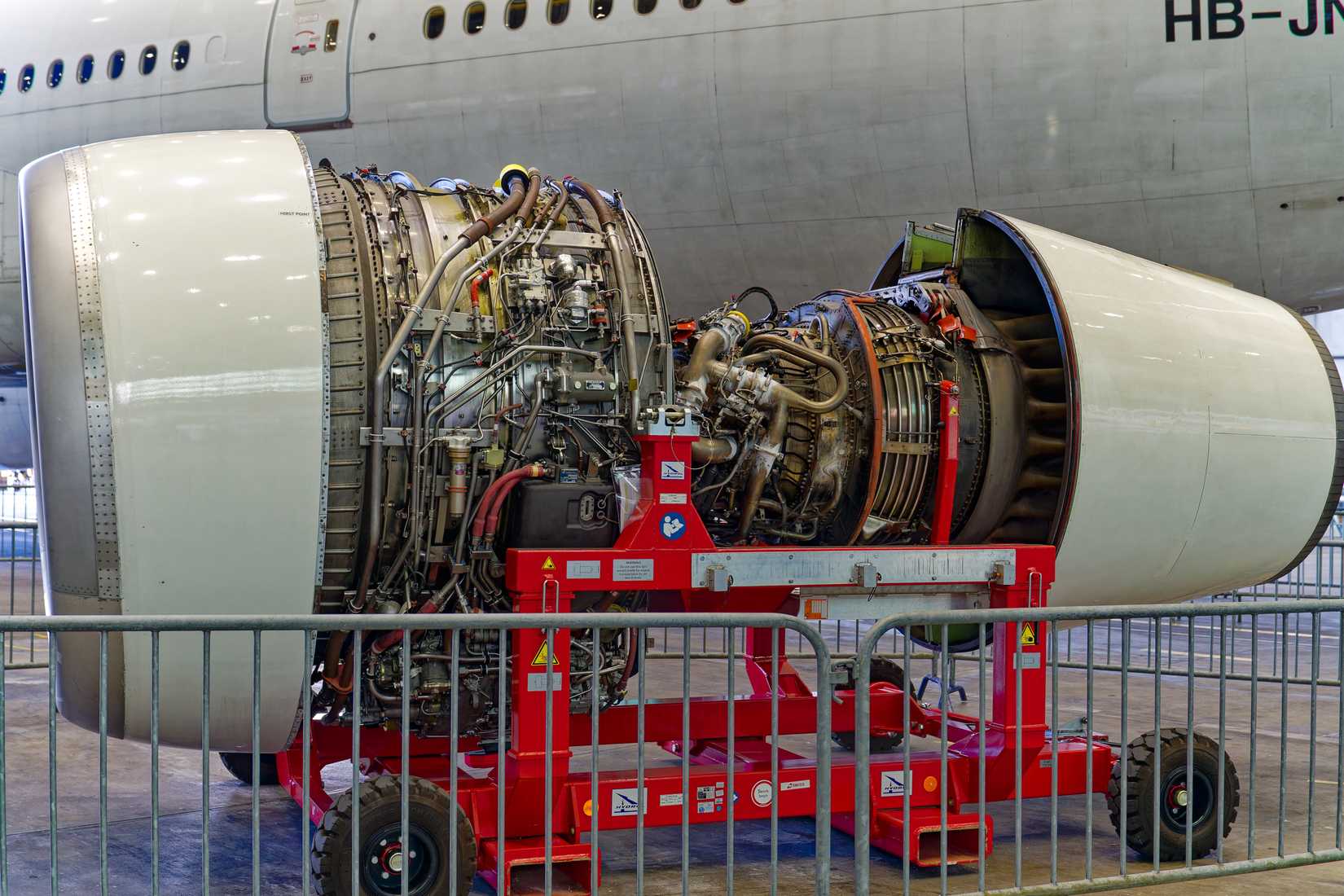
Turbojet engines, which were the first type of jet engine, work by compressing air, mixing it with fuel, and burning it in a combustion chamber before pushing out hot exhaust air. In contrast, turboprop engines use a turbine to spin a propeller, offering lower fuel consumption but reduced speed.
The evolution of turbofan engines has been particularly significant, as they have enabled more powerful and efficient engines while maintaining relatively low fuel burn. Turbofans feature a fan at the front of the engine, which allows some air to bypass the core, reducing energy consumption.
Advances in bypass ratios, or how much air is bypassed compared to the amount flowing through the core, have been instrumental in improving turbofan efficiency. Modern engines feature significantly higher bypass ratios than their predecessors, generating more power while consuming only slightly more fuel.
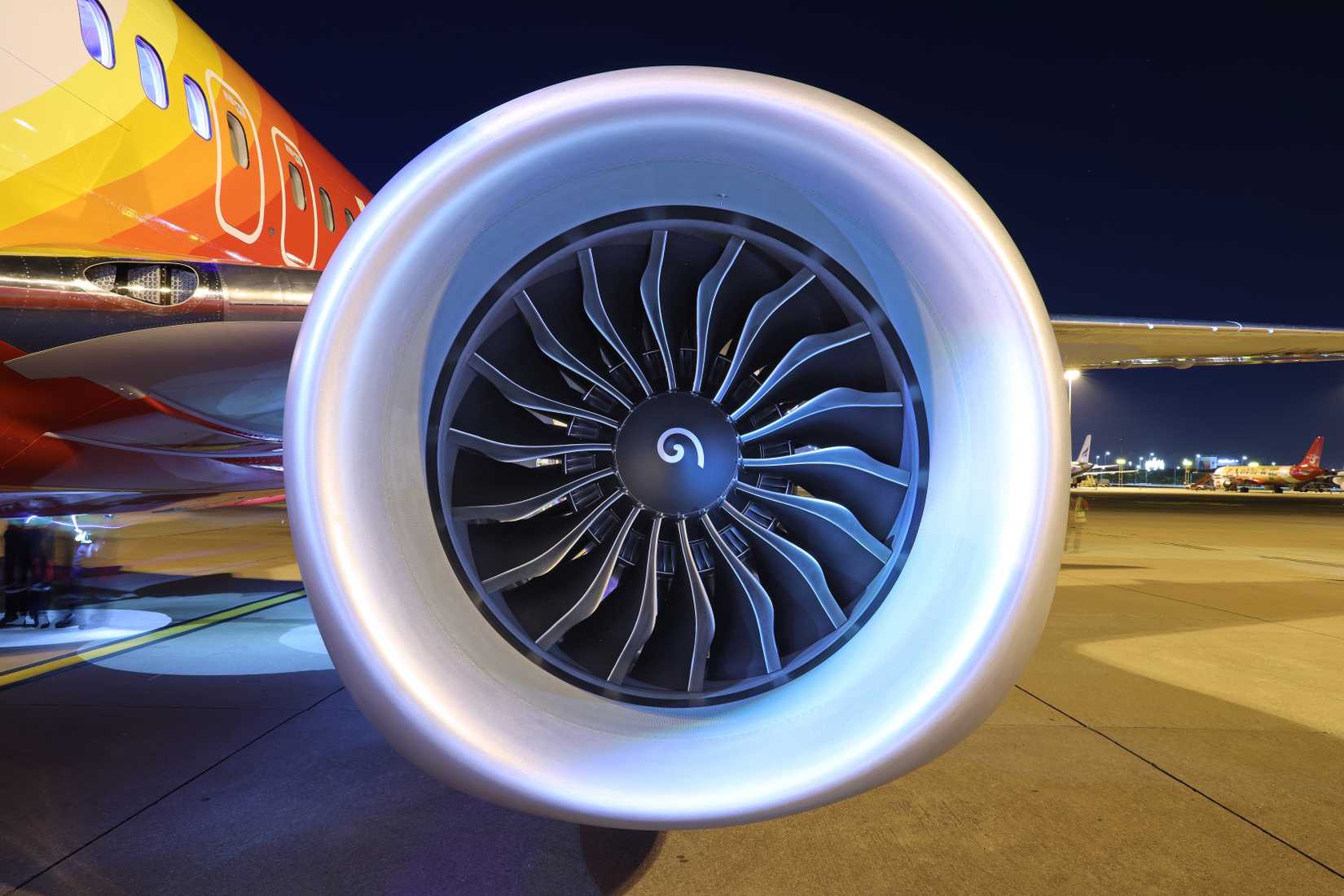
The impact of these advancements can be seen in real-world applications, such as the Boeing 737 MAX powered by the CFM LEAP-1B engine, which boasts a 15% reduction in specific fuel consumption compared to its predecessor. This represents a significant improvement in efficiency and cost savings for airlines.
As engines continue to evolve, it is likely that we will see further innovations in design and technology, driving even greater reductions in emissions and fuel burn. The aviation industry's focus on sustainability will remain a key driver of innovation in this sector.
Ultimately, the development of more efficient jet engines will play a critical role in reducing the environmental impact of air travel. As airlines continue to prioritize cost savings and emissions reduction, the need for innovative engine designs will only intensify, driving further advancements in technology and efficiency.
The aviation industry's focus on reducing emissions will continue to drive innovation in engine design.