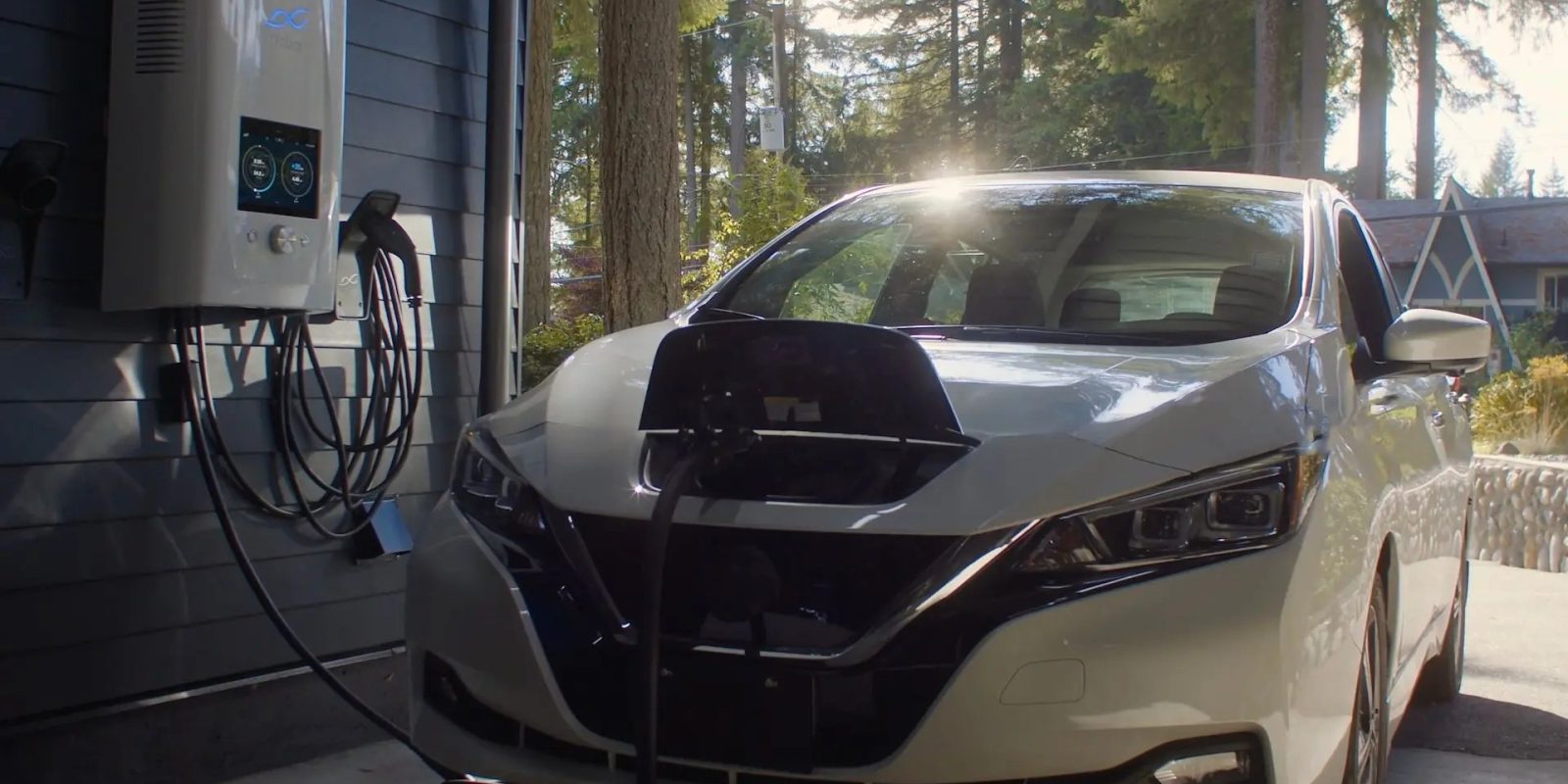
The Massachusetts Clean Energy Center has announced a first-of-its-kind Vehicle-to-Everything (V2X) demonstration program that will install bi-directional EV chargers at no cost for school districts, municipalities, and residents across the state. The goal is to test how EVs can send power back to buildings and the grid, cut peak demand, and reduce the need for expensive new grid infrastructure. Bi-directional charging lets an EV battery both draw electricity from and return it to the grid, enabling EVs to provide backup power during outages or help utilities manage peak demand on hot or cold days.
The participating chargers are expected to deliver over 1 megawatt of power back to the grid during a demand response event, roughly enough to offset the electricity use of about 300 average US homes for an hour. State officials see this pilot as a real-world test of how EVs can function as mobile energy storage. The program aims to address one of the biggest barriers to V2X adoption by providing chargers and installation at no cost to participants, who will also be supported in enrolling in existing utility programs that compensate EV owners for sending power back to the grid during peak periods.
This could potentially lower electricity bills for participating residents. Over 1/3 of the program's funding will support participants living in environmental justice communities. The selected participants include five school districts and four municipal projects, as well as 30 individual residents from across the state.
All of the bi-directional charging stations are expected to be installed and operational by summer 2026, with data collection continuing throughout the year. MassCEC plans to publish a V2X guidebook in late 2026 covering system design, charging management, costs, and regulatory hurdles, to help other communities replicate and scale similar projects. The pilot is seen as an important step towards creating virtual power plants that can protect communities from outages and lower costs for families and public fleets.
As the grid becomes increasingly reliant on renewable energy sources, the ability of EVs to provide backup power will become even more critical. By testing this technology in a real-world setting, MassCEC hopes to pave the way for widespread adoption of V2X charging systems in the future.
This pilot program is an exciting step towards harnessing the potential of EVs as mobile energy storage solutions. As the demand for renewable energy continues to grow, it's essential that we explore innovative ways to manage our grid and reduce peak demand. The use of bi-directional charging technology has the potential to provide significant benefits for both individuals and the environment.