

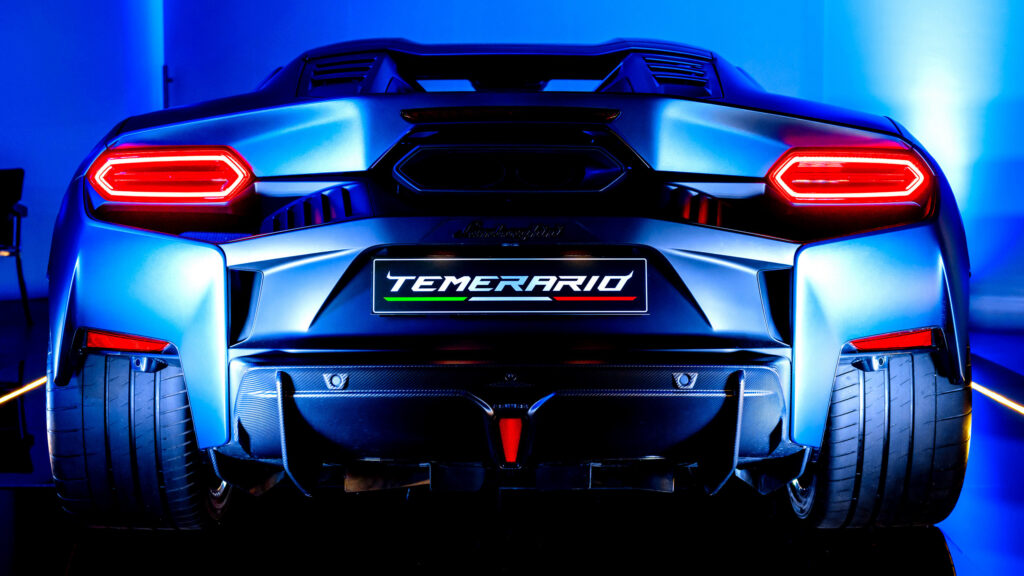
The new Lamborghini Temerario, successor to the Huracan, boasts impressive performance capabilities but struggles with its weight. With a dry weight of 1,690 kg (3,726 pounds), it edges worryingly close to 2,000 kg (4,409 lbs) in curb weight when including fluids and other components.
This puts it in comparison to rivals like the McLaren Artura and Ferrari 296 GTB, which are significantly lighter despite packing more powerful engines. The added heft affects not only its performance but also its efficiency and crashworthiness.
With a starting price of $50,700, the Temerario's weight-saving options come at a premium, with a £37,000 ($50,700 or €42,900) package shaving off 25 kg (55 lbs), still leaving it 121 lbs heavier than its rival, the Revuelto. The question remains whether modern supercars like the Temerario are crossing a line when it comes to weight.
With early reviews suggesting that the Temerario hides its weight well, it's essential to weigh the pros and cons of this trend in the automotive world. As an industry expert, we believe that while added weight can impact performance and efficiency, manufacturers must balance these factors with the need for advanced technologies like hybrid powertrains.
This may result in a trade-off between speed and sustainability, but one thing is clear: Lamborghini's Temerario is certainly making a statement about its capabilities, even if it means going against conventional wisdom on weight management.
While the added weight of the Lamborghini Temerario may seem like a drawback, it's essential to consider the advancements in hybrid powertrains and their impact on overall performance. As manufacturers continue to push the boundaries of innovation, we'll need to assess whether these trade-offs are worth it.


