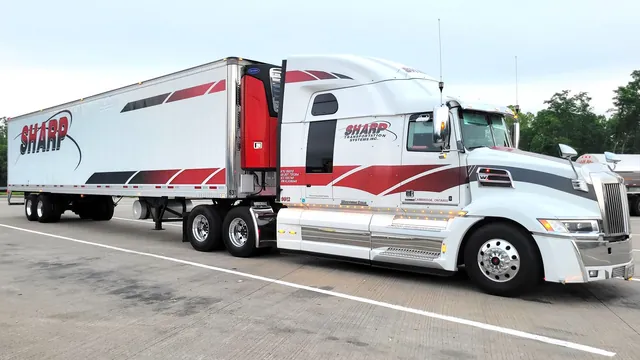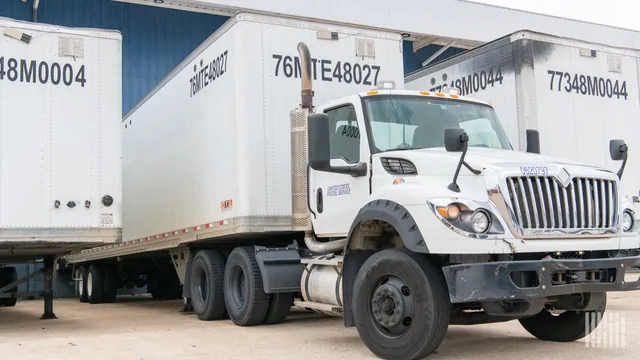

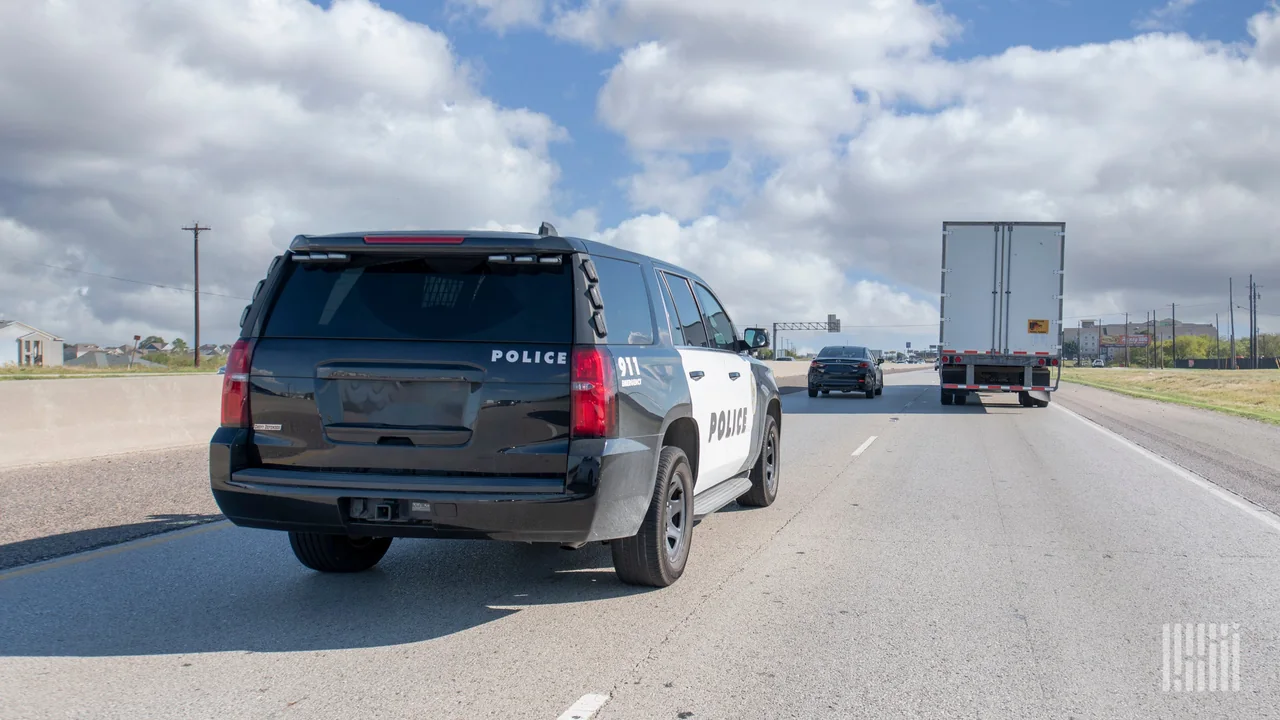
Authorities in Texas have recently intercepted two semi-trucks carrying approximately $470,000 worth of stolen vehicles, believed to be en route to Honduras. This incident is a stark reminder of the ongoing issue of cargo theft and freight fraud cases across the United States. The sheer scale of these operations underscores the need for robust security measures to prevent such losses. By recovering this shipment, law enforcement has sent a clear message that such activities will not go unpunished.
The specifics of how these vehicles ended up on those trucks are still unclear, but it is evident that a complex web of deceit was involved. The fact that the stolen goods were able to be transported without detection for an extended period highlights the importance of vigilance and scrutiny throughout the entire supply chain. It is only when the freight is in motion that the true extent of the problem becomes apparent.
The modus operandi behind these thefts often begins with small, seemingly insignificant details that are overlooked during routine transactions. A vehicle may be handed off under a legitimate arrangement, with all documentation appearing to be in order. However, this façade of normalcy is precisely what makes it so difficult to detect such scams in the first place.

The timing of these operations becomes critical once the freight is loaded and moving. By that point, the damage has already been done, and recovery becomes increasingly challenging. This underscores the need for swift action and coordination among stakeholders to prevent such losses from occurring in the first place.
Coordination and planning are key factors in these cross-border cargo thefts. The scale of this operation suggests a level of sophistication that is concerning, highlighting the need for industry-wide vigilance and cooperation to combat such activities.
The use of legitimate channels to facilitate illicit activity is a hallmark of these operations. By blending in with standard freight workflows, the perpetrators are able to avoid drawing attention to themselves until it is too late.
The international nature of this case adds another layer of complexity to the problem. As assets cross borders, they become increasingly difficult to trace and reclaim, making recovery even more challenging.
Most cargo thefts do not occur at the point of pickup but rather earlier in the process, when decisions are made based on unverified information. This highlights the need for enhanced verification measures throughout the supply chain to prevent such losses from occurring.
The focus must shift from reacting after the fact to proactively controlling access to shipments at every stage of the process. Verifying identities, validating relationships, and confirming the authenticity of parties handling freight are essential steps in preventing such losses.
The increasing complexity of cross-border cargo operations highlights the need for enhanced verification measures.