

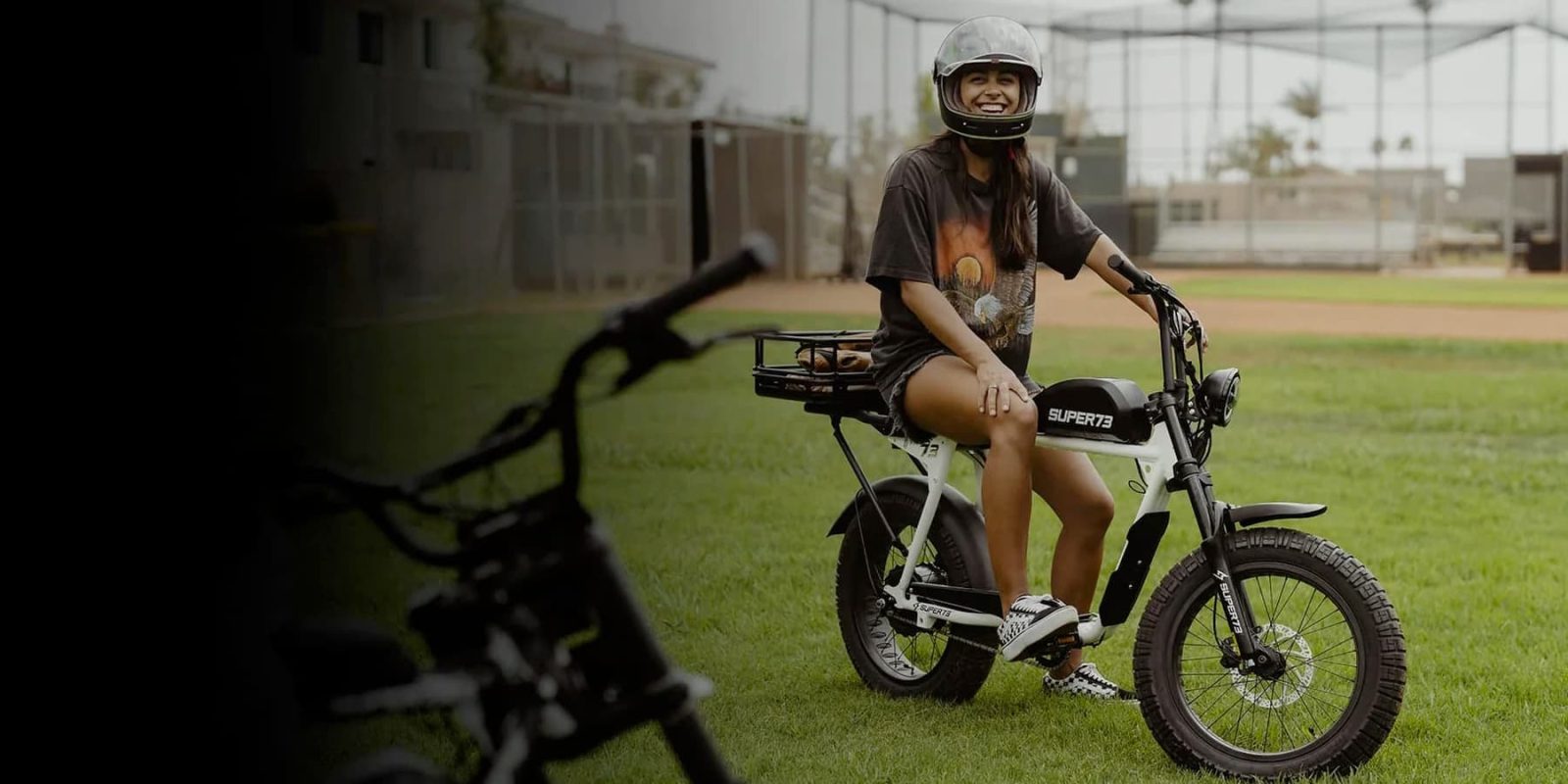
Across the US, e-bike policies are becoming increasingly contradictory. In some states, lawmakers are introducing restrictive measures such as licensing requirements and insurance mandates for high-powered e-bikes. However, Oregon is proposing a new bill that aims to strike a balance between regulating e-bikes and encouraging their use among younger riders.
The proposed House Bill 4007 lowers the legal riding age for Class 1 e-bikes and e-scooters, introduces penalties for selling counterfeit products, and establishes a new category for powered micromobility devices. By adopting this nuanced approach, Oregon is recognizing that safer streets don't come from banning technology but from setting clear rules and educating riders early. This kind of legislation may ultimately protect kids better than laws that simply tell them to stay off e-bikes altogether.
The bill has received support and could serve as a model for other states looking to regulate electric bicycles while encouraging their use. Oregon's proposed law embodies the idea of balance, keeping streets and sidewalks safe while also encouraging younger riders to get started early. By doing so, it addresses the paradox that current laws create by treating e-bikes too restrictively, making it impossible for schools to teach safety to younger teens.
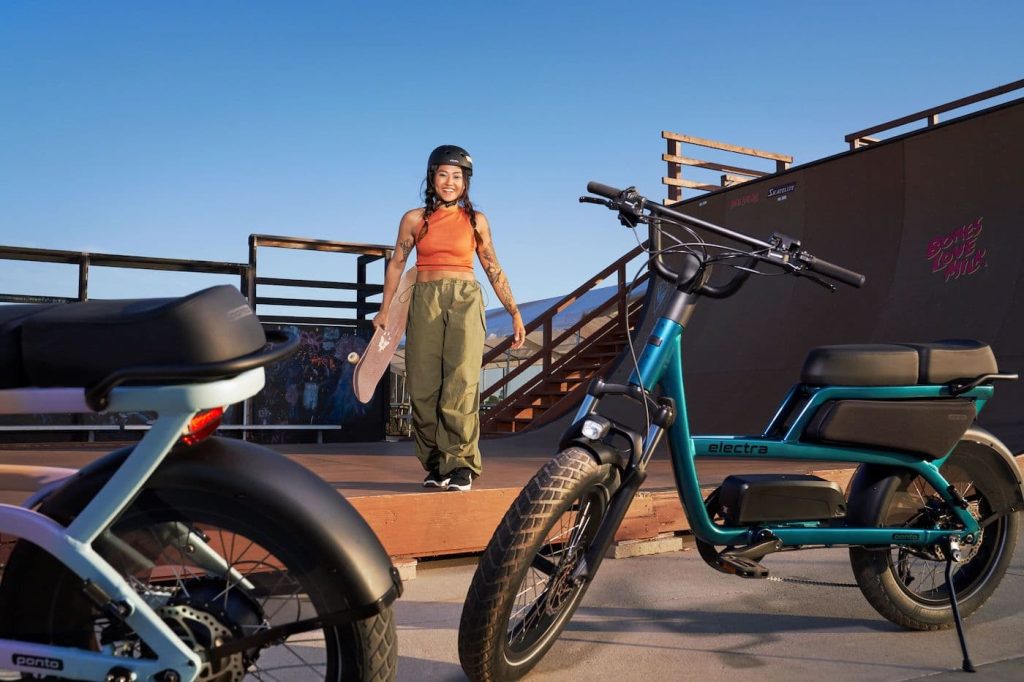
The bill removes this paradox by allowing e-bike use at a lower age, opening the door for structured education programs and clearer guidance for families before bad habits form. Furthermore, it tackles the issue of mislabeling products marketed as 'e-bikes' that are anything but, introducing penalties for selling impostor vehicles. Battery safety is also addressed by prohibiting the sale of untested or uncertified batteries, aiming to reduce fire risks without punishing legitimate riders.
The creation of a new legal category for powered micromobility devices like electric skateboards and seated scooters encourages legal, predictable use rather than pushing riders into gray areas. By adopting this approach, Oregon is recognizing that safer streets don't come from banning technology but from setting clear rules, educating riders early, and distinguishing bicycles from motorcycles instead of lumping everything together. This kind of legislation may ultimately protect kids better than laws that simply tell them to stay off e-bikes altogether.
The proposed bill has received support and could mark an example of more common sense legislation for other states looking to regulate electric bicycles while encouraging their use.
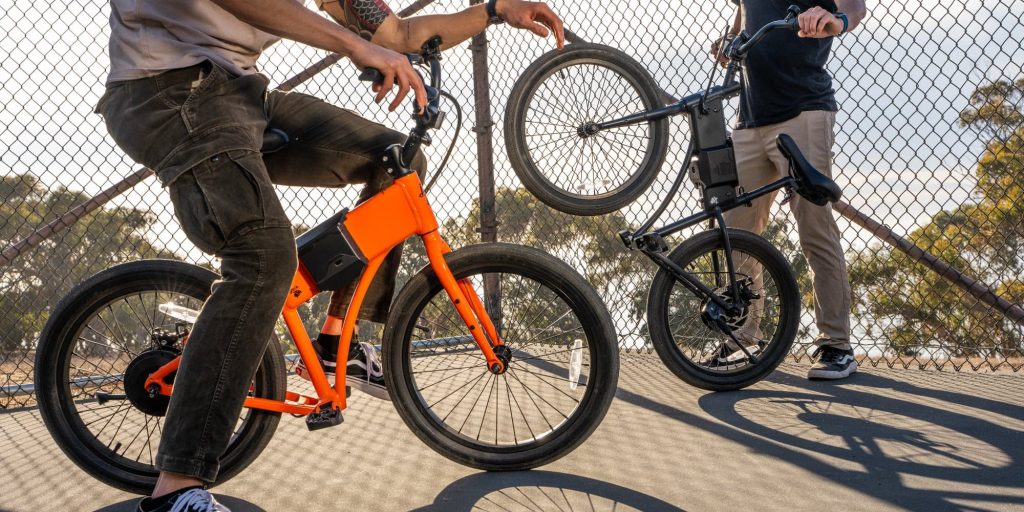
Oregon's approach to regulating e-bikes is a step in the right direction, as it acknowledges that restrictive laws can be counterproductive. By striking a balance between regulation and encouragement, Oregon has created a more nuanced approach that prioritizes safety and education over prohibition. This kind of legislation could serve as a model for other states looking to navigate the complexities of e-bike policy.