
Tesla's Robotaxis have been found to be crashing at rates more than 4x higher than human drivers, according to new data from Austin. This alarming trend suggests that the company still needs to work on improving its autonomous driving technology. The data also highlights the need for increased oversight and regulation of self-driving cars.
The high crash rate of Tesla's Robotaxis is a major concern for the automotive industry as a whole. It raises questions about the ability of companies like Tesla to safely deploy autonomous vehicles on public roads. As the demand for autonomous vehicles continues to grow, it will be crucial to address these safety concerns and ensure that companies are prioritizing safety above all else.
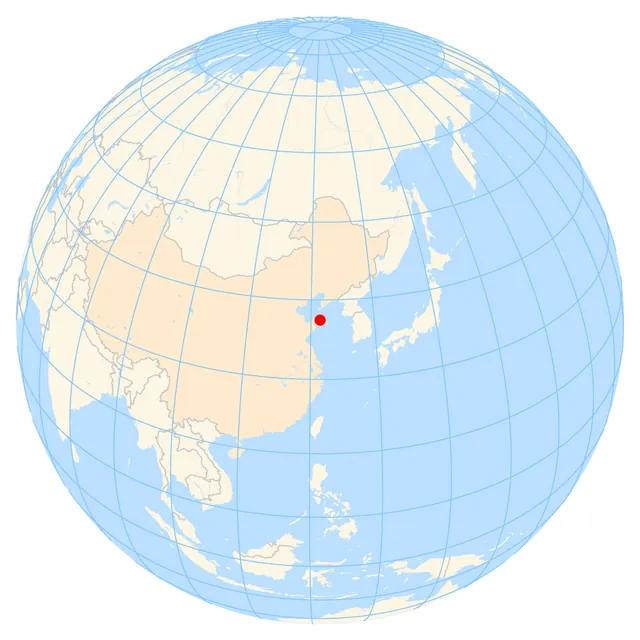
Meanwhile, new data from China shows that Tesla's sales have plummeted by over 45% in recent months. This decline is likely due to a combination of factors, including increased competition from other electric vehicle manufacturers and the ongoing challenges faced by Tesla's production and logistics operations. The company has been working to address these issues, but it remains to be seen whether its efforts will be enough to stem the decline in sales.

A recent video appears to show a Tesla attempting to crash into a lake, further highlighting the risks associated with autonomous vehicles. This incident raises serious questions about the reliability and safety of Tesla's Robotaxis and the need for more stringent testing and regulation.
Despite these challenges, there are still areas where Tesla is excelling. The company has been making significant investments in its Cybertruck program, which promises to revolutionize the automotive industry with its futuristic design and advanced technology. As production of the Cybertruck gets underway, it will be interesting to see how this new product line impacts Tesla's overall business strategy.
Tesla's commitment to sustainability is also worth noting. The company has been a leader in the development of electric vehicles and renewable energy solutions, and its efforts to reduce carbon emissions have been widely praised. As the automotive industry continues to evolve, it will be crucial for companies like Tesla to prioritize sustainability and environmental responsibility.
The rise of autonomous vehicles has also raised important questions about job displacement and the impact on traditional industries. As self-driving cars become more prevalent, there is a growing concern that they could displace human drivers and disrupt entire industries. However, some experts argue that this could also create new opportunities for workers in fields such as maintenance and repair.
As Tesla continues to navigate these challenges, it will be important for the company to prioritize transparency and communication with its customers and investors. By providing regular updates on its progress and addressing concerns about safety and reliability, Tesla can build trust and confidence in its products. This will be crucial for the company's long-term success and reputation.
Ultimately, the future of autonomous vehicles like Tesla's Robotaxis depends on their ability to meet safety and performance standards. As the industry continues to evolve, it will be essential for companies like Tesla to prioritize innovation and improvement over short-term gains. By doing so, they can ensure that these vehicles are safe, reliable, and beneficial to society as a whole.
The rise of autonomous vehicles like Tesla's Robotaxis has raised concerns about safety and reliability.