The British Prime Minister Keir Starmer had a crucial conversation with the US President Donald Trump on Thursday about restoring shipping through the Strait of Hormuz as quickly as possible. The UK's efforts to convene partners and agree on a plan for freedom of navigation in the waterway were discussed during their meeting. This move aims to address the ongoing tensions in the region and stabilize global trade.
The US ceasefire with Iran has led to a fragile truce, but shipping through the Strait of Hormuz remains tightly controlled. Approximately 3,200 vessels are still stranded west of Hormuz, including around 800 tankers and cargo ships. This situation highlights the need for a practical plan to get shipping moving again as soon as possible.
The leaders agreed that now there is a ceasefire in place and an agreement to open the Strait, we are at the next stage of finding a resolution. However, the lack of progress in restoring shipping through the strait raises concerns about the stability of global trade routes.
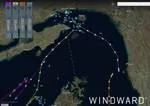
Security firm Windward reports that the ceasefire has not reopened the Strait of Hormuz, and transit remains tightly controlled. The war has raised oil prices and shaken global markets, making it essential to find a solution to this issue as soon as possible.
Trade flows have restructured across Oman and UAE east coast ports, but they have not returned to normal yet. This indicates that the impact of the conflict on global trade is still being felt, and a swift resolution is necessary to restore stability.
Iran has expressed its intention to charge fees to tankers going through the Strait of Hormuz, which has sparked opposition from Western leaders. The US President Trump has stated that Iran should not be charging any fees to tankers, emphasizing the need for a fair and transparent system.
The Financial Times quoted Hamid Hosseini, a spokesperson for Iran's Oil, Gas and Petrochemical Products Exporters' Union, as saying that Iran will demand toll payments in cryptocurrency to retain control over Hormuz during the ceasefire. This move could exacerbate tensions and make it more challenging to find a resolution.
In a separate post, Trump said 'you'll see Oil start flowing, with or without the help of Iran.' However, this statement lacks clarity on how the US plans to achieve this goal without relying on Iranian cooperation. The lack of transparency in Trump's approach raises concerns about the effectiveness of his strategy.
The ongoing conflict has had a significant impact on global markets and trade routes. It is essential for world leaders to work together to find a solution to this issue as soon as possible, ensuring that shipping through the Strait of Hormuz can resume safely and efficiently.