

The natural gas and oil industries have long been subject to scrutiny for their environmental impact. Recently, the focus has shifted to the potential of natural hydrogen as a clean fuel source. While some had hailed it as a miracle solution, the reality is more nuanced. The industry has made significant strides in adopting a more disciplined approach, moving away from speculative headlines and towards a more rigorous extractive industry framework.
The distinction between hydrogen generation, presence, and reserves is crucial to understanding the industry's progress. Geologists have confirmed that natural hydrogen is generated in various settings, including serpentinization, radiolysis, iron oxidation, and other crustal processes. However, this does not necessarily translate to accumulation or commercial viability.
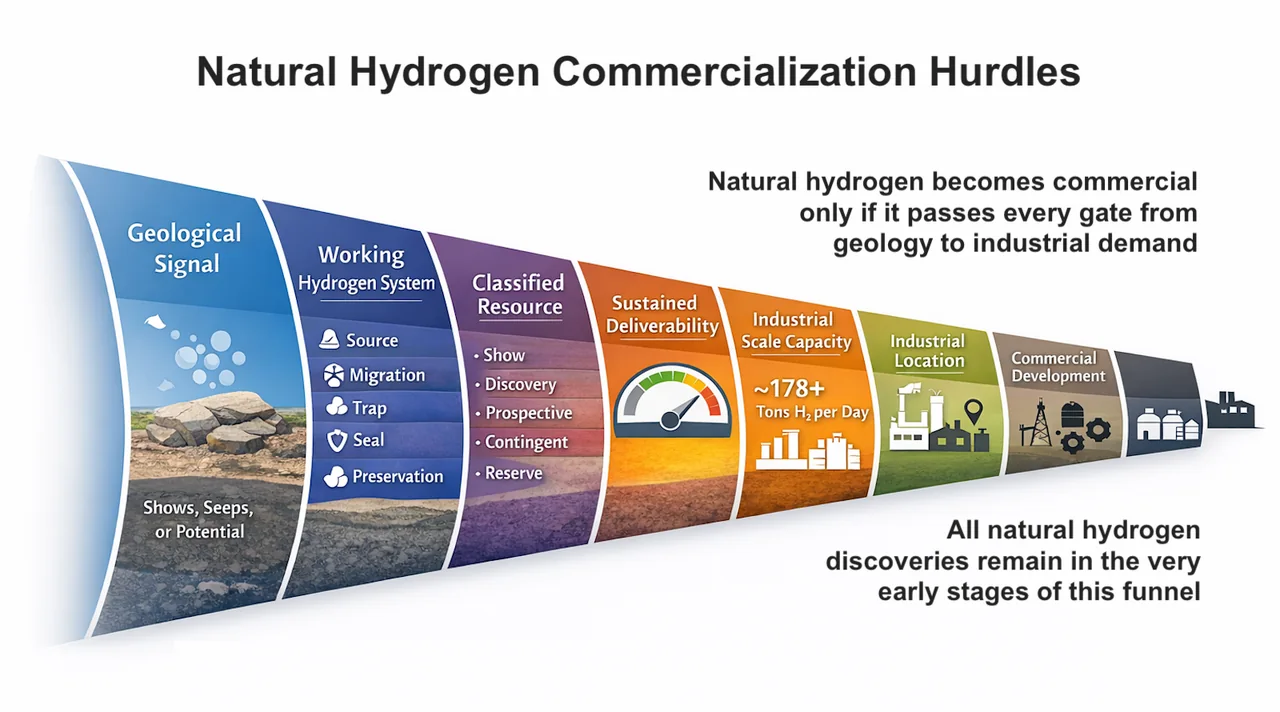
The challenges facing the hydrogen industry are twofold. Firstly, the process of generating, migrating, trapping, sealing, preserving, and delivering natural hydrogen is complex and prone to leakage. Secondly, the industry lacks widely disclosed reserve figures, making it difficult to assess the commercial potential of individual projects.
A more disciplined approach has been adopted by the industry, with a focus on using conventional oil and gas resource classification as a framework for assessment. This involves evaluating each site's geological credibility, including evidence of a working hydrogen system with generation, migration, trapping, sealing, and preservation.
The use of this hybrid extractive-industry framework is a significant step forward for the industry. It allows companies to evaluate their projects more rigorously and make more informed decisions about their commercial viability.
Despite these advances, the industry still faces significant challenges. The lack of widely disclosed reserve figures and the complexity of the hydrogen generation process mean that many projects are still in the early stages of development.
The progress made by the industry is encouraging, however. By adopting a more disciplined approach, companies can better assess their commercial potential and make more informed decisions about their investments.
The future of the hydrogen industry will depend on its ability to overcome these challenges and demonstrate its commercial viability. With continued investment in research and development, it is possible that we will see significant progress in the coming years.
As the industry continues to evolve, it is likely that we will see more companies adopting this hybrid extractive-industry framework. This will help to ensure that projects are evaluated rigorously and that investors have access to accurate information about their commercial potential.
The hydrogen industry's journey towards maturity is an important one. By adopting a more disciplined approach and focusing on the challenges facing the sector, we can gain a better understanding of its potential for growth and development.
The hydrogen industry is making progress towards a more mature extractive sector, but still faces significant challenges.