
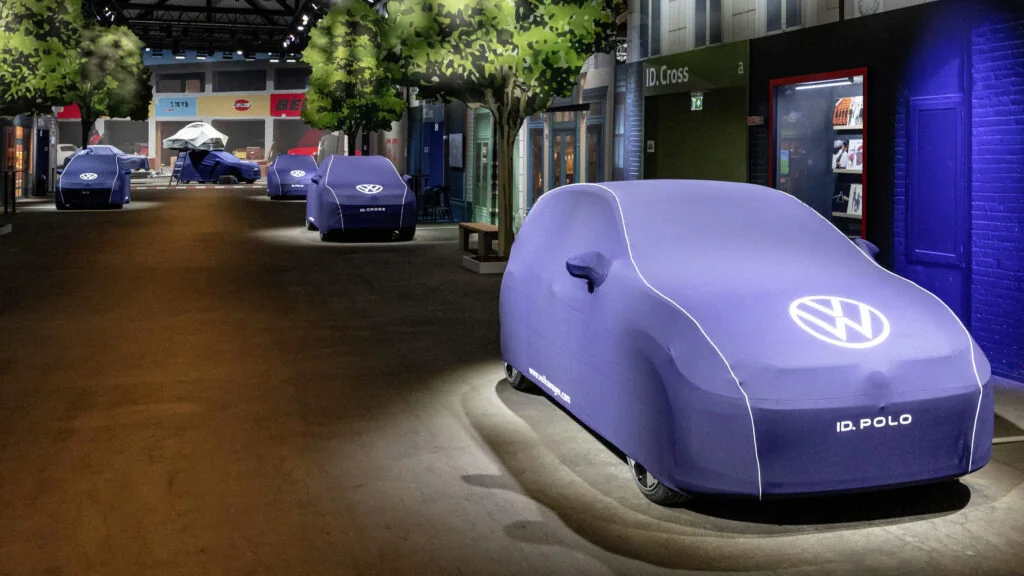
Volkswagen's ID. lineup, unveiled in 2016, was hailed as the future of mobility, showcasing the German automaker's commitment to electric vehicles and innovative design. The ID. series featured sleek, modern designs with a focus on sustainability and technology. With a range of models, including the ID. Buzz, ID. Crozz, and ID. VIZZION, VW aimed to revolutionize the automotive industry. However, it seems that consumers had other plans. Despite its futuristic appeal, the ID. lineup failed to gain significant traction in the market.
The ID. series was designed with a focus on sustainability, featuring advanced battery technologies and eco-friendly materials. The vehicles were also equipped with cutting-edge infotainment systems and driver assistance features, making them appealing to tech-savvy consumers. However, it appears that many buyers preferred more traditional designs, opting for classic cars over the futuristic ID. lineup.
The failure of VW's ID. lineup can be attributed to changing consumer preferences. As electric vehicles became increasingly popular, buyers began to prioritize practicality and affordability over innovative design. The rise of retro-style cars, with their nostalgic appeal and affordable prices, also contributed to the decline of the ID. series.
Another factor that may have contributed to the failure of the ID. lineup was the lack of a clear brand identity. VW's electric vehicles were marketed as part of the larger ID. family, but this approach failed to resonate with consumers. A more defined brand image and targeted marketing strategy would have helped to establish a stronger connection between buyers and the ID. series.
The decline of the ID. lineup serves as a reminder that even the most innovative designs can fail to gain traction in the market if they don't meet consumer demands. VW's experience highlights the importance of understanding customer preferences and adapting to changing market trends.
As the automotive industry continues to evolve, it's clear that consumers are prioritizing practicality and affordability over futuristic design. The rise of electric vehicles has created a new landscape for car buyers, with many opting for more traditional designs and lower prices.
The failure of VW's ID. lineup also raises questions about the role of innovation in the automotive industry. While cutting-edge technologies and designs can be exciting, they must also be grounded in consumer demand. VW's experience serves as a reminder that innovation is not an end in itself, but rather a means to an end – creating products that meet customer needs.
The decline of the ID. lineup has significant implications for the automotive industry as a whole. As consumers continue to prioritize practicality and affordability, manufacturers must adapt their strategies to meet these demands. The rise of electric vehicles will undoubtedly continue, but it's clear that innovation must be balanced with consumer demand.
VW's experience serves as a cautionary tale for manufacturers looking to innovate and disrupt the market. While futuristic designs can be exciting, they must also be grounded in consumer demand. By understanding customer preferences and adapting to changing market trends, manufacturers can create products that meet the needs of buyers and drive success in the industry.
Ultimately, the failure of VW's ID. lineup highlights the importance of understanding consumer demand and adapting to changing market trends. As the automotive industry continues to evolve, manufacturers must prioritize practicality and affordability while still innovating and pushing the boundaries of what is possible.