

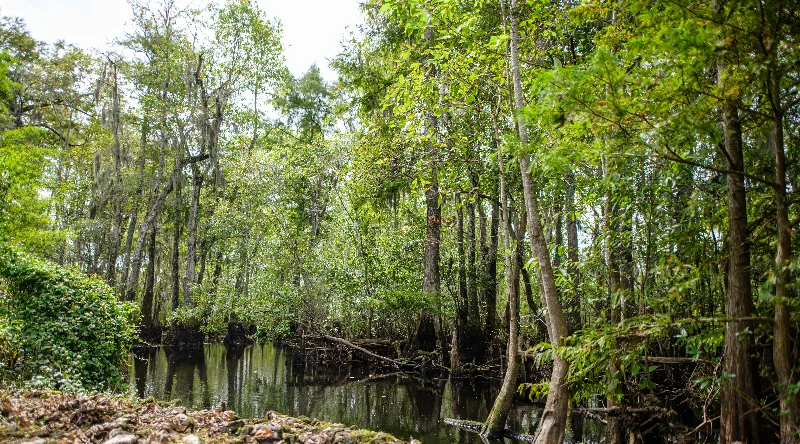
The history of logging in the United States is deeply rooted in the Puritan settlers' belief that it was their divine duty to transform the wilderness into a paradise. This mindset led to widespread deforestation, particularly in what are now considered US forests. The impact of this early logging was devastating, with virgin woodlands being severely impacted and left barren.
The value of US forests cannot be overstated. They play a critical role in mitigating climate change through carbon sequestration, providing clean water and air, and supporting endangered wildlife. However, the economic benefits of preserving these ecosystems have historically been overlooked in favor of short-term gains from logging and biomass industries.
In recent years, there has been a growing recognition of the importance of protecting US forests. The Reforestation Hub, a partnership between American Forests and The Nature Conservancy, aims to restore 148 million acres of land through afforestation and reforestation efforts. This initiative highlights the need for a more sustainable approach to forest management.
The commercial logging industry has long been a contentious issue in southern US states. Prioritizing economic growth over environmental concerns has led to widespread deforestation and habitat destruction. However, alternative industries such as outdoor recreation have proven to be more economically viable and environmentally friendly.
Outdoor recreation is a significant contributor to the US economy, generating $640 billion in GDP in 2023 compared to forestry and agriculture combined at $274 billion. This disparity highlights the need for policymakers to prioritize sustainable forest management practices over short-term gains from logging.
The impact of commercial logging on communities cannot be overstated. The destruction of forests leaves communities vulnerable to natural disasters such as hurricanes, flooding, and extreme heat. In contrast, well-managed forests can provide numerous benefits, including clean water and air, and support for endangered wildlife.
Wetland forest ecosystem services are worth significantly more than $500 billion, providing essential functions such as water filtration, protection from extreme weather events, food, and pollination. These services underscore the importance of preserving US forests for future generations.
The biomass wood pellet industry has been criticized for its devastating impact on southern US forests. Studies have shown that standing forests are worth 15 times more than logged forests, highlighting the need for sustainable forest management practices. However, the industry's reliance on clear-cutting and pollution emissions poses significant environmental risks.
Policy changes are needed to address the negative impacts of the biomass wood pellet industry. By prioritizing sustainable forest management practices and alternative industries such as outdoor recreation, policymakers can create a more environmentally friendly and economically viable future for US forests.