
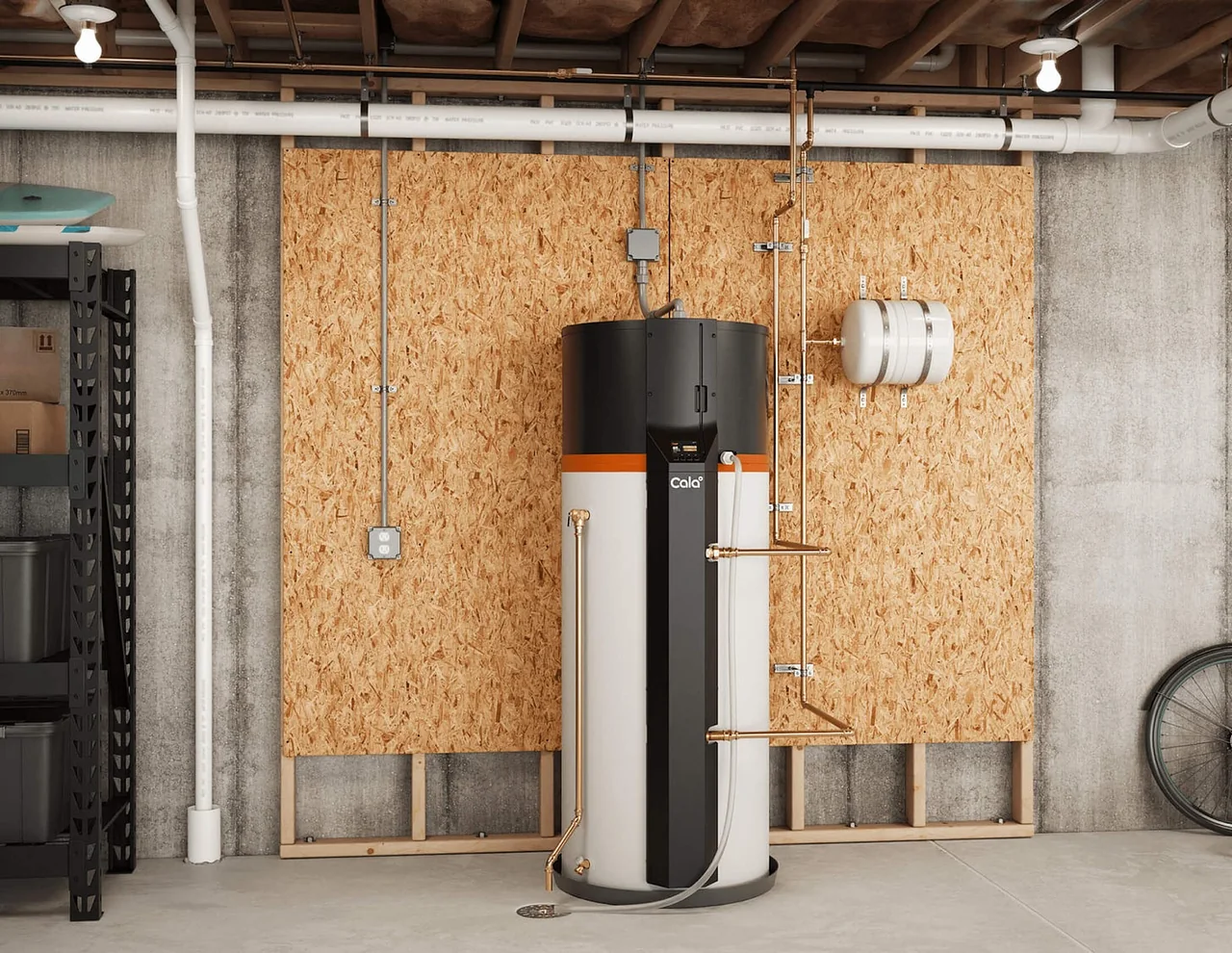
The heat pump water heater (HPWH) market has seen a surge in new entrants, with 13 different brands now offering tanked water heaters. This recent influx of manufacturers is largely due to the growing demand for hyper-efficient water heating products. At the Advanced Water Heating Initiative, various companies have been given the opportunity to showcase their innovative products and technologies.
While many established manufacturers are bringing updated products to market, a new player has emerged in the form of Cala, a startup that entered the HPWH space late last year. With its smart water heater, Cala aims to differentiate itself from the crowded field by incorporating advanced data management and predictive controls.
According to Michael Rigney, CEO of Cala, becoming a startup in the water heating industry requires a deep understanding of the market trends and consumer needs. The company's journey began with a thorough analysis of the growth potential of HPWHs, as well as their unique benefits in terms of energy efficiency and electrification.

Cala's smart water heater takes advantage of the growing trend towards electrification, which can eliminate fossil fuel use in water heating. Additionally, the product boasts three times more energy efficiency than traditional electric water heaters, making it an attractive option for consumers looking to reduce their carbon footprint.
The company's focus on creating a smart water heater with predictive controls and data management capabilities sets it apart from existing HPWHs on the market. By incorporating real-time information and adjusting heating speed and tank temperature accordingly, Cala's product aims to optimize energy consumption and provide a more comfortable user experience.
While many HPWHs already offer basic control panels and app connectivity, Cala's smart water heater takes this functionality to the next level by integrating advanced data management and predictive controls. This enables homeowners to better manage their energy usage and make informed decisions about their home's heating needs.
The emergence of startups like Cala in the HPWH market is a positive development for consumers, as it brings new innovation and competition to an industry that has traditionally been dominated by established manufacturers. With Cala's smart water heater, homeowners can expect improved energy efficiency, reduced costs, and a more comfortable living experience.
As the demand for sustainable and efficient home appliances continues to grow, startups like Cala are well-positioned to capitalize on this trend. By focusing on innovative technologies and data-driven solutions, these companies can provide consumers with products that meet their evolving needs and expectations.
The future of the HPWH market looks promising, with many ing continued growth and innovation in the years to come. As startups like Cala continue to enter the scene, it will be interesting to see how they shape the industry and deliver value to consumers.